Law Vape Pen Voltage Risks in Vape Batteries: Stay Safe While Vaping
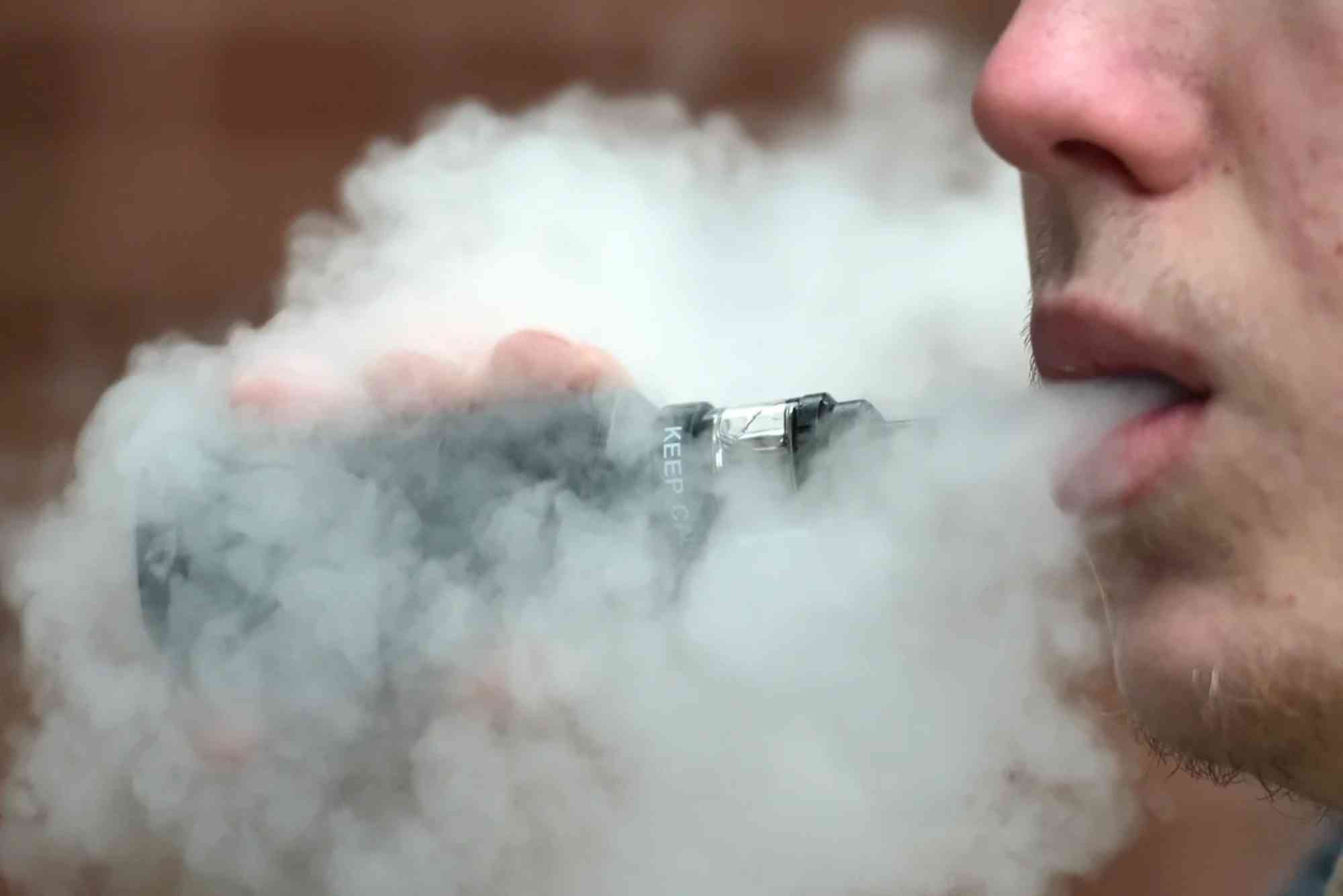
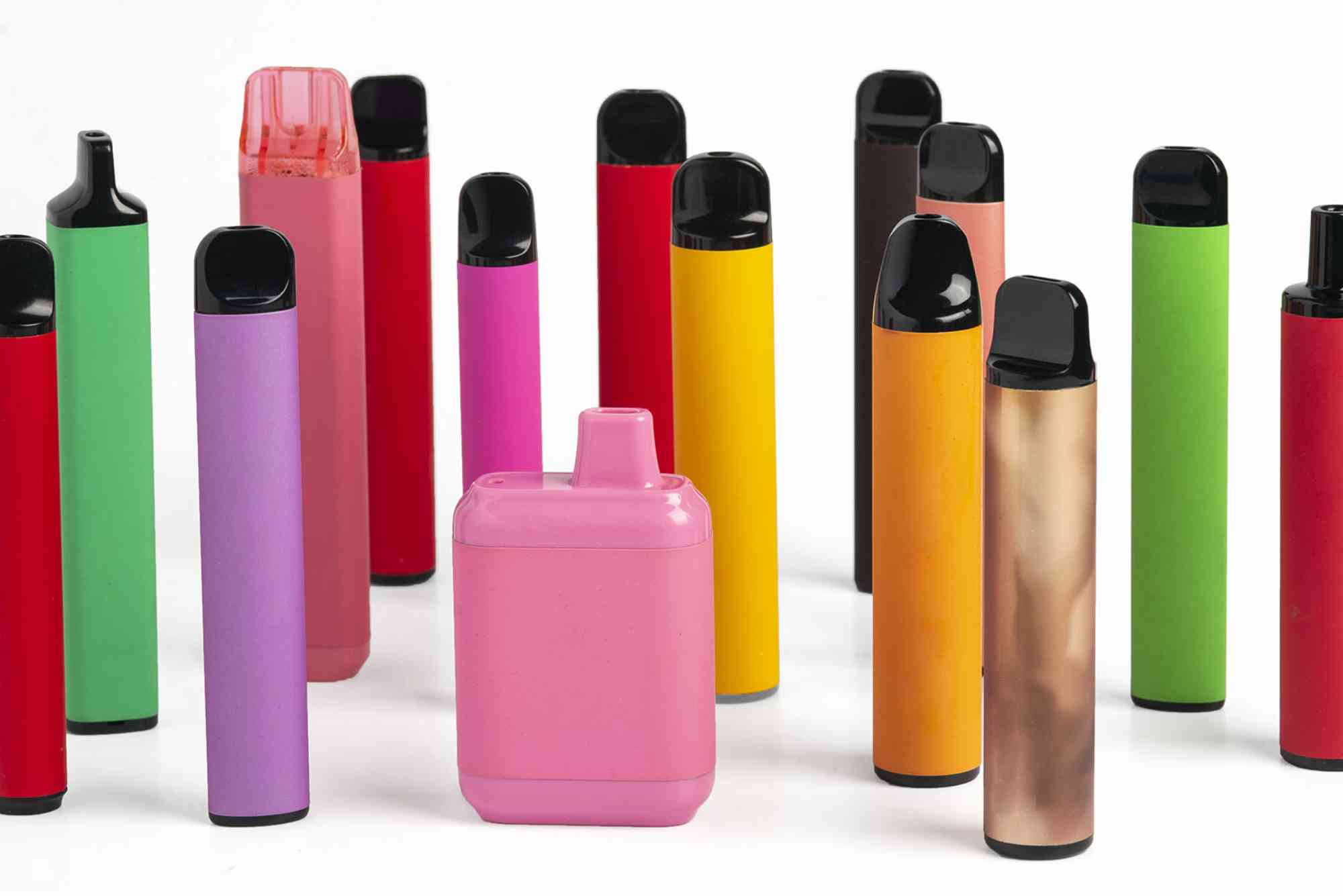
Vaping has become a popular alternative to smoking, but it also brings safety concerns, especially when it comes to batteries and voltage levels. One of the most important yet often misunderstood factors is law vape pen voltage. Many vapers experiment with settings without realizing the risks associated with incorrect voltage. Understanding how voltage works, the potential dangers of misuse, and how to vape safely can prevent accidents and keep your experience enjoyable.
Understanding Law Vape Pen Voltage
The term law vape pen voltage refers to the safe, recommended range of electrical power that vape pens are designed to operate within. Voltage is a measure of electrical force that pushes current through the heating coil of your vape device. The higher the voltage, the hotter the coil gets, which impacts vapor production, flavor, and battery strain.
Every vape pen has a safe voltage range set by its manufacturer. Staying within this range ensures the device functions correctly without overheating or damaging the battery. Exceeding this range may lead to overheating, battery swelling, or even explosions in extreme cases.
Why Voltage Matters in Vape Pens
Vape pens rely on lithium-ion batteries, known for their efficiency but also their sensitivity. Voltage settings directly affect how the battery is used and how much stress is placed on it.
Flavor and Vapor Production
Lower voltages usually produce smoother flavors with less vapor, while higher voltages generate denser clouds but can burn the e-liquid faster. Users often adjust voltage to find their preferred balance, but going beyond safe levels can harm the coil and battery.
Battery Health
When you consistently push a battery beyond its designed voltage, its lifespan decreases. Over time, it may lose capacity, overheat, or become a fire hazard. Maintaining law vape pen voltage keeps the battery working efficiently and safely.
Safety Concerns
Incorrect voltage settings can result in overheating, burnt coils, and in rare cases, dangerous thermal runaway. This is when the battery becomes uncontrollably hot, potentially leading to fire or explosion.
Common Risks of Ignoring Law Vape Pen Voltage
Many vapers are unaware of the risks that come from using their devices outside recommended voltage levels. Here are the main dangers:
Battery Overheating
When voltage is too high, the battery works harder than intended. This produces excess heat, which may cause the battery to swell or vent harmful gases.
Shortened Battery Life
Operating consistently at extreme voltages reduces how long the battery lasts. A battery that could normally last hundreds of charge cycles may wear out after only a few dozen.
Coil Burnout
Excessive voltage burns the coil too quickly. This not only affects the vaping experience but also forces users to replace coils more often, making vaping more expensive.
Fire and Explosion Risk
Although rare, batteries pushed beyond their limit can catch fire or explode. Most cases of vape-related injuries are linked to misuse of batteries and unsafe voltage settings.
How to Identify Safe Law Vape Pen Voltage
Knowing your vape pen’s safe voltage range is essential. Most devices include this information in the manual or on the packaging. If you no longer have access to this, you can usually find safe ranges online by searching for your specific vape model.
A general safe range for many vape pens is between 3.3V to 4.8V, but this varies depending on the device and coil resistance. Adjustable vape pens often let you choose within this range, while fixed-voltage pens are pre-set by the manufacturer for safety.
Tips to Stay Safe While Vaping
Understanding law vape pen voltage is only one part of vaping safely. Proper battery care and usage habits also make a huge difference.
Use the Right Charger
Always use the charger that came with your vape pen. Using a third-party charger can supply too much current or voltage, which risks damaging the battery.
Avoid Overcharging
Do not leave your vape pen charging overnight or unattended. Overcharging weakens the battery and increases the chance of overheating.
Check Battery Condition
If your battery shows signs of swelling, leaking, or overheating, stop using it immediately. Replace damaged batteries instead of trying to repair them.
Store Batteries Properly
Keep batteries in a cool, dry place and avoid exposure to extreme heat. Carry spare batteries in protective cases, not loose in your pocket, to avoid short circuits.
Don’t Mix and Match Parts
Only use coils, batteries, and chargers that are compatible with your device. Mixing parts from different brands or models increases the risk of electrical problems.
Stay Within Recommended Voltage
Stick to the manufacturer’s guidelines for voltage. If you enjoy adjusting settings, increase voltage gradually and never exceed the upper safe limit.
Law Vape Pen Voltage and Battery Technology
Lithium-ion batteries are powerful but fragile. Their performance depends heavily on safe charging and discharging practices. Vape pens designed with built-in safety features—such as short-circuit protection and voltage cut-offs—help reduce risks, but users must still remain cautious.
Some modern vape devices include smart chips that automatically regulate voltage and prevent unsafe usage. However, older or cheaper models may not have these protections, making it even more important for users to be informed.
The Role of Ohm’s Law in Vaping
Vape devices often involve basic electrical principles, and Ohm’s Law is one of the most important. It connects voltage, current, and resistance in a circuit.
The resistance of your coil, measured in ohms, determines how much current flows at a given voltage. Lower resistance coils (sub-ohm) draw more current, producing bigger clouds but stressing the battery more. Understanding this relationship helps vapers avoid pushing their devices beyond safe limits.
Stay Safe and Vape Smart
Understanding law vape pen voltage is one of the most important steps in safe vaping. By respecting the recommended voltage range, maintaining battery care, and using your device responsibly, you can enjoy vaping without unnecessary risks.
The safety of your vape experience lies in your hands. Stay informed, use quality devices, and never ignore warning signs from your battery. If you found this guide useful, share it with fellow vapers to help them stay safe. For more tips on vaping safety and updates on vape technology, subscribe to our newsletter today.
People Also Ask: FAQ
What voltage should I set my vape pen to?
Most vape pens work safely between 3.3V and 4.8V. Always check your device’s manual for the recommended range.
Can high voltage damage my vape pen?
Yes. Using excessively high voltage can burn coils, overheat the battery, and reduce the overall lifespan of your vape pen.
Is it safe to charge my vape pen overnight?
No. Overcharging can weaken the battery and increase risks of overheating. It’s best to unplug once fully charged.
Why does my vape battery get hot?
A hot battery usually means it’s overworked or faulty. High voltage, low resistance coils, or damaged batteries are common causes.
What happens if I exceed the law vape pen voltage range?
Going beyond safe voltage may cause coil burnout, reduced battery life, overheating, or in rare cases, fire hazards.