Law on Kids in Vape Shop Risks in Vape Batteries: Stay Safe While Vaping
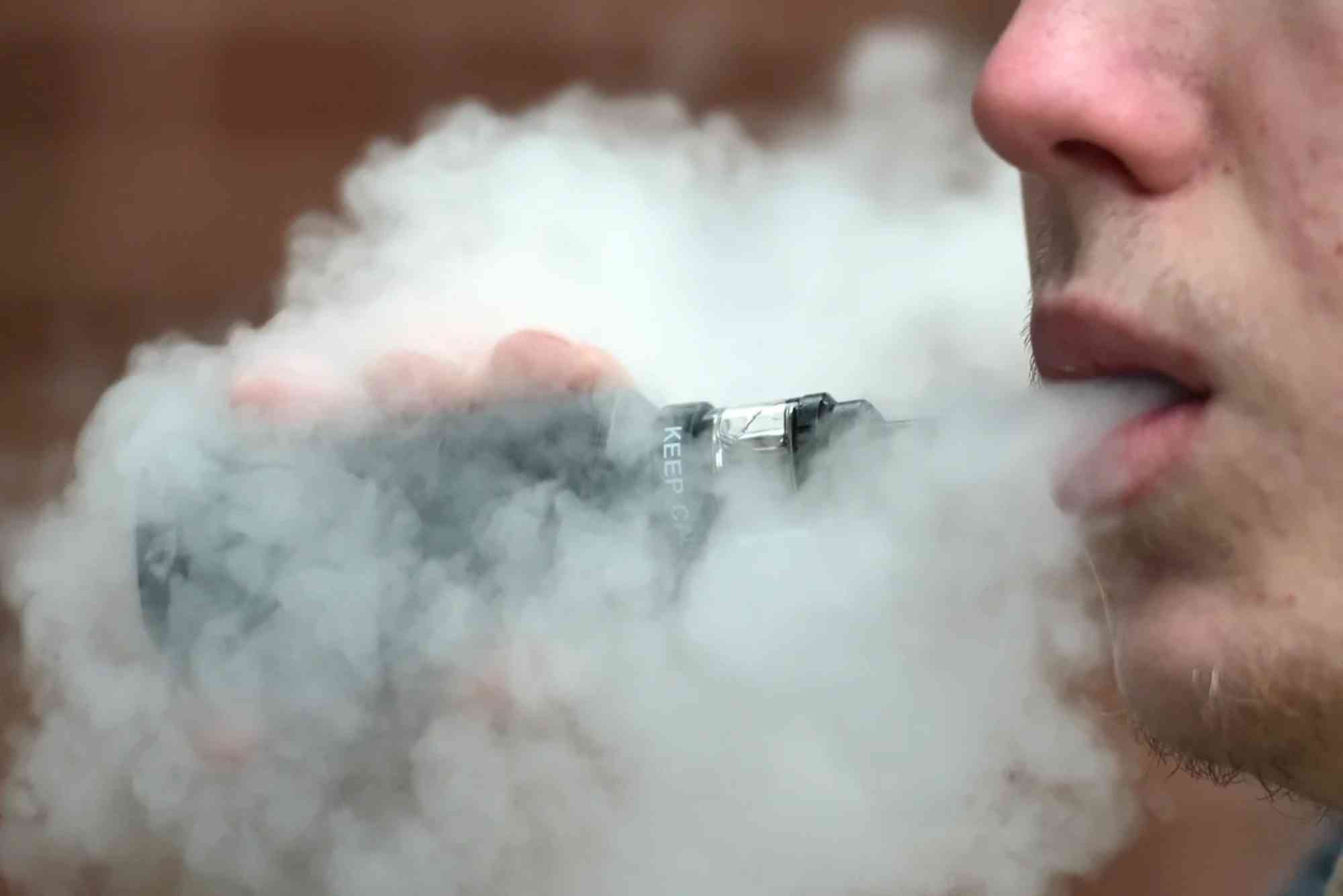
The vaping industry has grown rapidly over the past decade, drawing millions of adults seeking alternatives to traditional smoking. However, as vape products become more common, new challenges emerge regarding legal regulations, especially concerning minors. One of the most important topics today is the law on kids in vape shop and how it ties into the wider conversation about safety, responsibility, and awareness. Alongside legal issues, another critical subject is battery safety, as vape batteries have been linked to accidents when misused. Understanding both the laws and the risks will help vapers enjoy the habit responsibly while staying safe.
Understanding the Law on Kids in Vape Shop
The law on kids in vape shop is straightforward in most regions: minors are not allowed to purchase or even enter vape stores. This restriction is designed to protect young people from early exposure to nicotine and vaping products. Just as laws prohibit underage individuals from buying cigarettes or alcohol, vape laws are enforced to maintain the same standard of protection.
Governments and regulatory bodies across the world have introduced strict penalties for shops that violate these rules. In many countries, even allowing minors into a vape shop—without making a purchase—can result in fines, license suspension, or closure of the business. For example, in the United States, federal law prohibits the sale of e-cigarettes or vaping devices to anyone under 21. Similarly, the UK enforces an age restriction of 18. Other countries vary, but the underlying principle remains: protecting children from potential harm.
Why are Kids Restricted from Vape Shops?
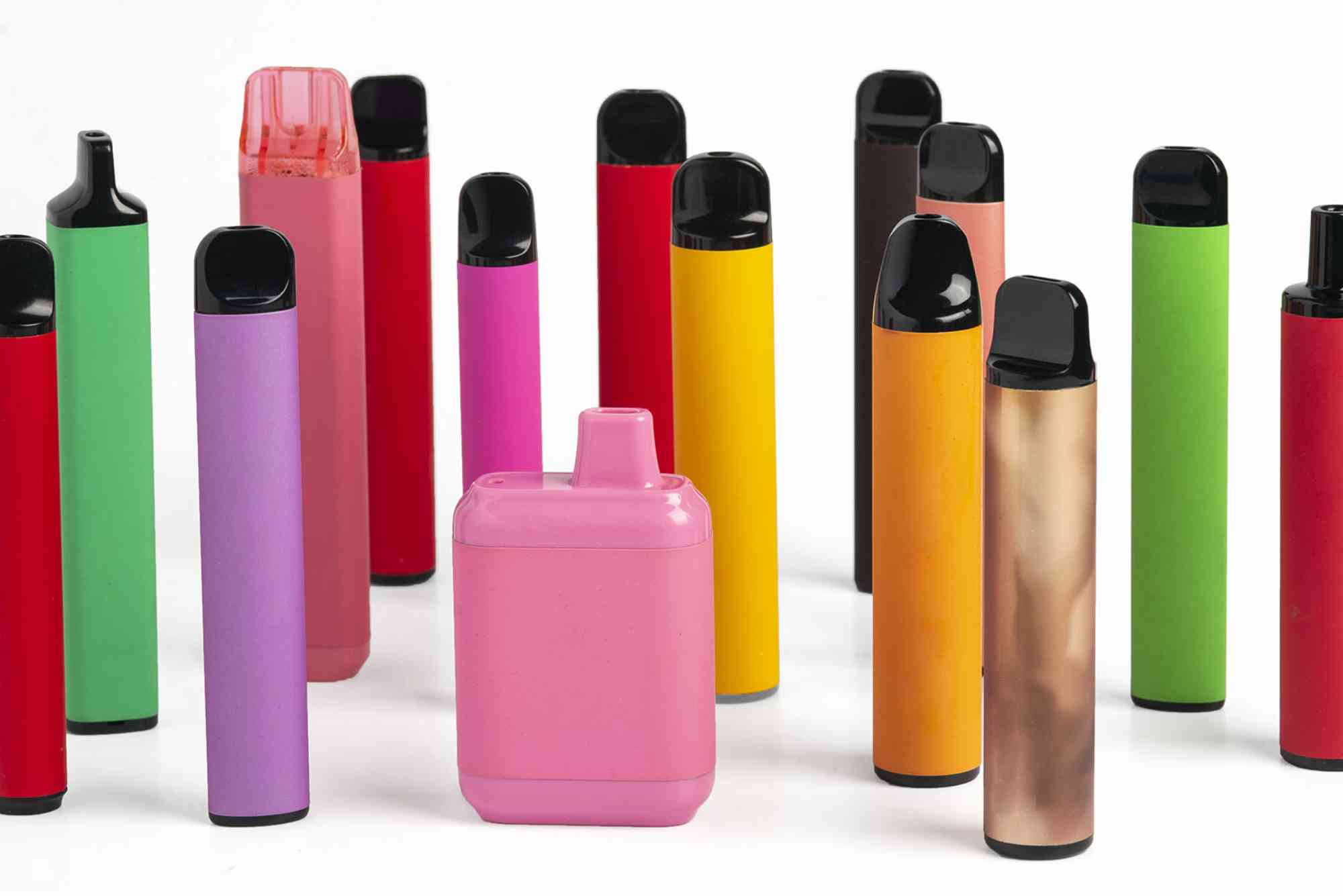
The restrictions stem from health concerns. Studies show that early exposure to nicotine can interfere with brain development, increase addiction risks, and harm overall health. Lawmakers want to ensure kids are not influenced by advertising, displays, or the culture surrounding vaping. Vape shops are specifically designed for adult consumers, often displaying flavored products, nicotine strengths, and accessories that may appear attractive to younger audiences if not controlled.
Penalties for Violating the Law
Violating the law on kids in vape shop is taken seriously. Shops caught selling to minors may face hefty fines or permanent license revocation. In some regions, staff members themselves can face criminal charges if they knowingly allow a sale to a minor. Retailers are therefore advised to always check identification, use verification systems, and enforce strict no-minor-entry policies.
Risks in Vape Batteries
Beyond legal regulations, another major concern in the vaping community is the safety of vape batteries. While most modern vaping devices are designed with protective technology, risks still exist when batteries are mishandled, overcharged, or stored incorrectly.
Common Vape Battery Risks
- Overheating: Improper charging or extended use can cause batteries to heat up, leading to potential burns or explosions.
- Short Circuits: Damaged battery wraps or exposure to metal objects can cause short circuits, increasing fire hazards.
- Overcharging: Leaving a battery plugged in for too long weakens its integrity, making it more prone to accidents.
- Carrying Loose Batteries: Placing unprotected batteries in pockets or bags with keys or coins can trigger dangerous reactions.
How to Stay Safe with Vape Batteries
To reduce risks, follow simple yet effective guidelines. Always use the charger provided with your device, as third-party chargers may supply incorrect voltage. Replace damaged batteries immediately, and avoid using devices that show visible cracks or leaks. Store spare batteries in dedicated protective cases, never loosely in pockets. Finally, keep batteries away from extreme temperatures—both heat and cold can weaken their structure.
The Connection Between Laws and Safety
The law on kids in vape shop and vape battery safety might appear to be separate issues, but they share a common theme: protection. Laws exist to protect minors from exposure to vaping, while safety guidelines protect users from accidents related to batteries. Together, they emphasize that vaping is an adult activity requiring responsibility and awareness.
Responsible Retailers and Consumers
Retailers play a vital role in upholding laws and safety. By refusing entry to minors, they help ensure compliance with regulations. By educating customers about battery safety, they reduce risks for users. Meanwhile, consumers must take personal responsibility by following safety recommendations, replacing damaged equipment, and being mindful of their habits.
Global Perspective on Vape Shop Laws
Different regions interpret the law on kids in vape shop differently. For instance, in some European countries, vape shops may allow minors to enter but not make purchases, whereas others enforce a strict no-entry policy. In Asia, regulations are often more rigid, with heavy penalties for violations. In contrast, some developing regions are still in the process of drafting comprehensive vape regulations.
Regardless of geographical differences, the trend is clear: governments are increasingly prioritizing youth protection. This aligns with broader public health strategies aimed at reducing nicotine addiction rates among younger generations.
How Parents Can Play Their Part
Parents are also key stakeholders in this conversation. While laws prevent kids from entering vape shops, curiosity may still lead minors to experiment through peers or online purchases. Parents should stay informed about the law on kids in vape shop and have open conversations with their children about the risks. Discussing battery dangers, nicotine addiction, and the importance of responsible behavior will help prevent issues before they arise.
Monitoring Online Purchases
With the rise of e-commerce, many minors attempt to buy vape products online. Parents should be vigilant, ensuring payment methods and deliveries are not misused. Many countries are working to close online loopholes, but parental guidance remains critical.
Future of Vape Laws and Safety Standards
The future of vaping will likely bring even stricter enforcement of the law on kids in vape shop. Policymakers are also expected to introduce enhanced safety regulations for batteries, including mandatory child-resistant packaging, smart charging systems, and stricter testing standards. This evolution demonstrates that vaping, while popular, must be managed carefully to avoid health and safety crises.
Stay Informed, Stay Safe
The Law on Kids 8n Vape Shop and the risks of vape batteries highlight two essential truths: vaping is an adult-only activity, and safety is non-negotiable. Protecting young people from exposure while ensuring adults use devices responsibly ensures that vaping remains a viable alternative for smokers without creating unnecessary risks.
If you vape, make sure to respect the laws, educate yourself on battery safety, and stay mindful of your habits. And if you own a vape shop, uphold strict policies to prevent underage access while guiding your customers toward safe practices. By combining compliance with responsibility, the vaping community can thrive safely and sustainably. Stay updated on the latest vaping laws in your region, and always prioritize battery safety. Share this guide with fellow vapers to promote awareness and ensure a safer vaping experience for everyone.
FAQs
Can kids go into vape shops with parents?
In most regions, minors are not allowed inside vape shops, even when accompanied by parents. Laws are designed to prevent exposure altogether.
What happens if a vape shop sells to a minor?
Shops face heavy fines, license suspension, or closure. Staff may also face criminal penalties depending on local laws.
Are vape batteries dangerous?
Yes, when mishandled. Risks include overheating, short circuits, and explosions. With proper use, however, they are generally safe.
How should I carry spare vape batteries?
Always use a protective case. Never carry loose batteries in your pocket or bag with metal objects.
Why are flavored vapes often banned for kids?
Flavored vapes are particularly attractive to minors. Bans aim to reduce appeal and prevent early nicotine addiction.