Introduction
When people ask, “Is vaping illegal UK?” they are usually concerned about the laws surrounding e-cigarettes and whether it is safe to use them. The UK has taken a unique approach to vaping compared to many other countries, often encouraging smokers to switch to e-cigarettes as a less harmful alternative. However, vaping is not completely unrestricted. Specific rules control who can buy vapes, where they can be used, and how they are advertised. Understanding these laws is important not only for consumers but also for parents, health professionals, and retailers. At the same time, it is equally essential to consider the health effects of vaping, both positive and negative, to make an informed decision.
Is Vaping Illegal in the UK?
The simple answer is no, vaping is not illegal in the UK. E-cigarettes and vapes are legal to buy, sell, and use under government regulation. However, strict laws are in place to ensure vaping products are safe and to prevent underage use.
UK vaping laws fall under the Tobacco and Related Products Regulations 2016, which implement the European Union’s Tobacco Products Directive (TPD). These regulations remain in effect post-Brexit, though the UK has flexibility to make changes in the future.
Current Vaping Regulations in the UK
Age Restrictions
Vaping is legal, but it is illegal to sell e-cigarettes or e-liquids to anyone under 18 years old. Retailers can face fines if caught selling to minors. Adults are also prohibited from purchasing vaping products on behalf of minors, a practice known as “proxy purchasing.”
Product Regulations
The UK enforces strict safety standards for e-cigarettes. Vape tanks cannot exceed 2ml capacity, and e-liquids containing nicotine are limited to 10ml bottles. Nicotine strength is capped at 20mg/ml. Packaging must include childproof designs and clear health warnings.
Advertising Rules
Advertising vapes is restricted to prevent misleading claims. Companies cannot promote e-cigarettes on TV, radio, or print media. Online advertising is limited, but brands can still provide factual information on their websites.
Public Use and Restrictions
There is no nationwide ban on vaping in public places, but many businesses and local authorities impose their own restrictions. For example, vaping is usually banned on trains, buses, and airplanes. Hospitals and schools also enforce strict no-vaping policies.
Why the UK Encourages Vaping as a Smoking Alternative
Unlike some countries where vaping is heavily restricted or banned, the UK sees e-cigarettes as a harm-reduction tool. Public Health England (PHE), now part of the Office for Health Improvement and Disparities, has repeatedly stated that vaping is at least 95% less harmful than smoking.
This stance is based on research showing that while vaping still carries risks, it avoids the thousands of toxic chemicals and carcinogens found in traditional cigarettes. For smokers struggling to quit, vaping can be a less harmful alternative.
Health Impact of Vaping in the UK
Positive Health Aspects
Many smokers switch to vaping because it reduces exposure to harmful substances. Unlike smoking, e-cigarettes do not burn tobacco. This means users inhale fewer toxins such as tar and carbon monoxide. Studies in the UK suggest that smokers who switch to vaping experience improved lung function and reduced coughing within weeks or months.
E-cigarettes are also one of the most popular tools for quitting smoking. NHS Stop Smoking Services often recommend vaping as part of a quitting plan, especially when combined with professional support.
Potential Risks of Vaping
Despite its benefits, vaping is not risk-free. Nicotine remains an addictive substance, and overuse can lead to dependency. Some users report side effects such as dry mouth, throat irritation, headaches, or dizziness.
Concerns also exist about the long-term impact of inhaling certain chemicals found in e-liquids. While safer than smoking, the full health consequences of decades of vaping are not yet fully understood. Research is ongoing, and health experts caution that non-smokers should not start vaping.
Comparing UK Vaping Laws with Other Countries
To better understand the UK’s stance, it helps to compare it globally. In countries like Australia, Thailand, and Singapore, vaping is heavily restricted or banned. In contrast, the UK regulates but promotes vaping as a harm-reduction tool. This makes the UK one of the most vape-friendly nations in Europe, provided users follow the rules.
Common Misconceptions About Vaping Legality in the UK
Many people searching for “is vaping illegal UK” may assume vaping is banned due to health risks. However, this is not the case. The confusion often comes from news reports about flavored vape bans in the United States or complete restrictions in other countries.
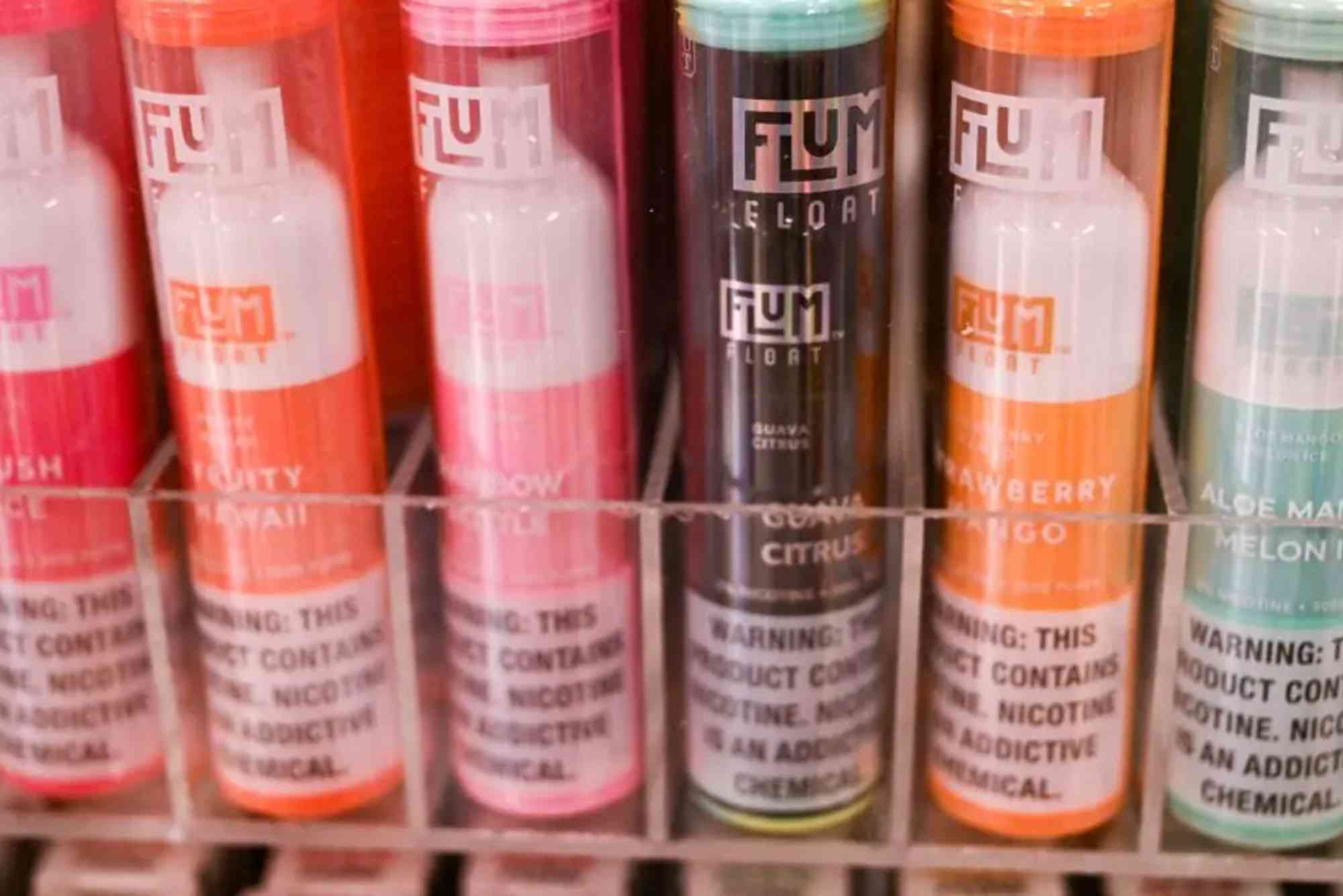
In the UK, flavored vapes are still legal, though discussions continue about limiting sweet flavors that attract teenagers. The focus is on reducing underage vaping while keeping the option available for adult smokers.
The Future of Vaping in the UK
The UK government has announced new strategies to address rising concerns about youth vaping. One proposal includes stricter regulations on packaging, flavor names, and disposable vapes. While vaping is unlikely to become illegal, the rules may continue evolving to balance public health with harm reduction.
FAQs
Can you vape in public in the UK?
Yes, you can vape in public, but private businesses and transport providers may set their own restrictions. Always check signs or ask before vaping indoors.
Can under-18s use vapes in the UK?
No, it is illegal for anyone under 18 to buy or use vaping products. Retailers face penalties if caught selling to minors.
Are flavored vapes banned in the UK?
No, flavored vapes are still legal in the UK. However, discussions about limiting certain flavors to reduce youth appeal are ongoing.
Is nicotine-free vaping legal in the UK?
Yes, nicotine-free vapes are legal and not restricted by the same nicotine content rules. However, age restrictions still apply.
Are disposable vapes legal in the UK?
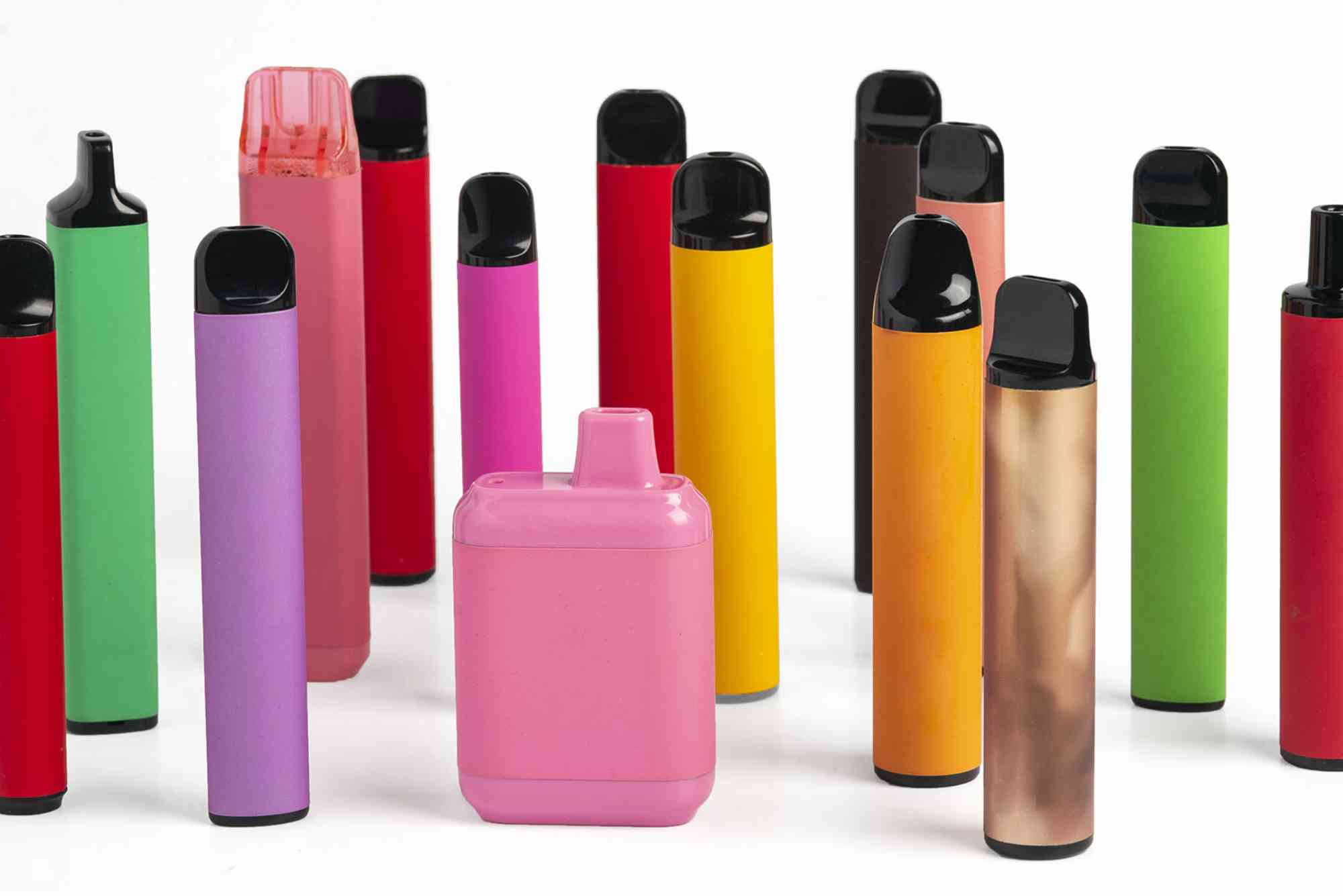
Yes, disposable vapes are legal, but many health experts worry about their environmental impact and popularity among teenagers. Future regulations may address these concerns.
So, is vaping illegal UK? The answer is clear: no, vaping is legal but regulated. The UK sees vaping as a safer alternative to smoking, though not entirely risk-free. With strict rules on sales, product standards, and advertising, the government aims to balance harm reduction with public safety.
For smokers looking to quit, vaping can be a powerful tool, especially when combined with NHS support. However, non-smokers, particularly young people, should avoid starting altogether. The future of vaping in the UK will likely bring more regulation, but its role in reducing smoking-related harm is undeniable.