Is Vaping Illegal in Thailand 2022? Risks in Vape Batteries: Stay Safe While Vaping
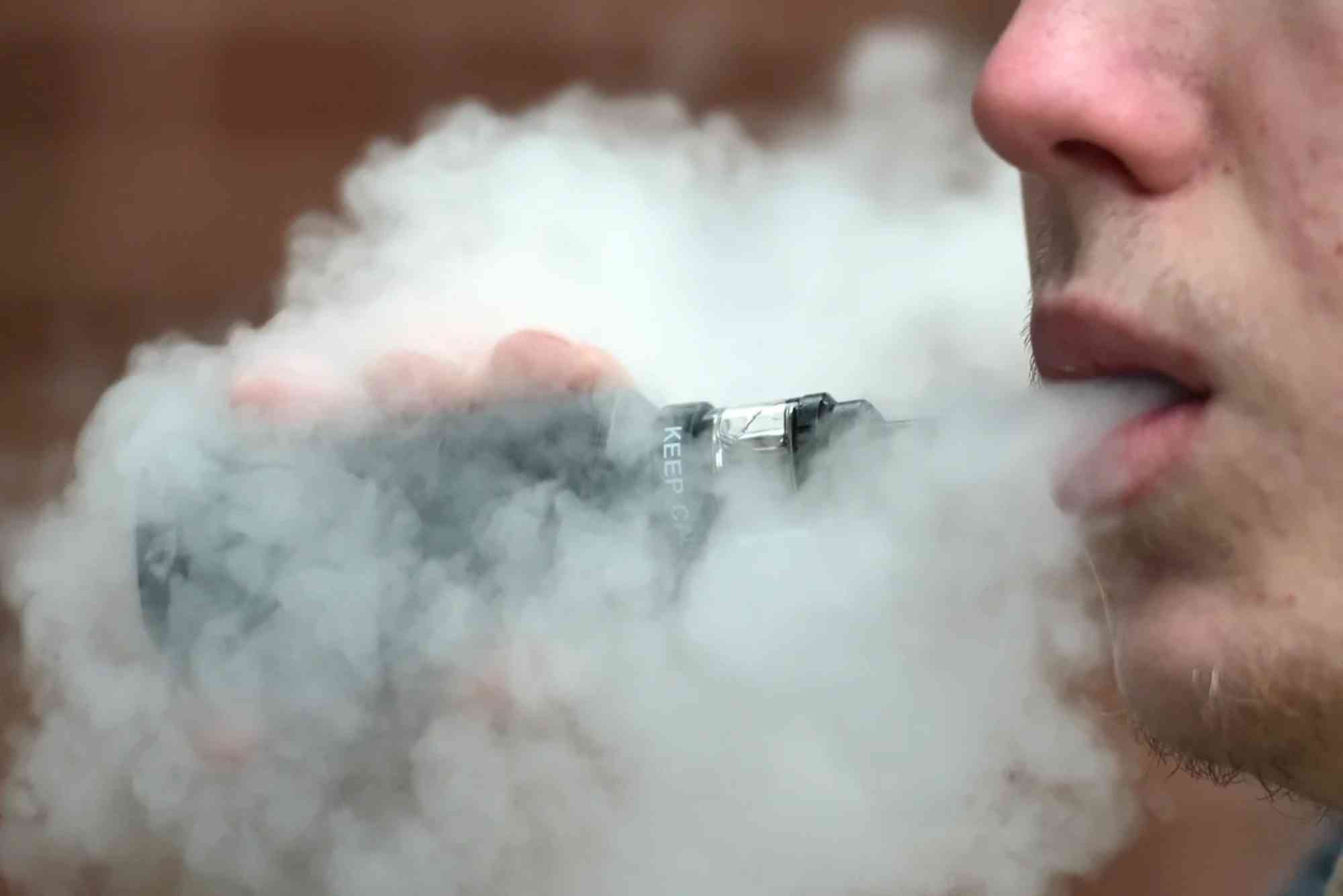
Vaping has become increasingly popular worldwide, but in some countries, it remains a controversial and heavily regulated activity. If you’re wondering is vaping illegal in Thailand 2022, this article will provide a clear answer and explain the risks associated with vape batteries, so you can vape safely. Whether you’re a resident, tourist, or someone curious about Thailand’s vaping laws, understanding the legal landscape and safety precautions is vital.
Understanding Thailand’s Vape Laws in 2022
Thailand has some of the strictest regulations on vaping in Southeast Asia. Despite vaping’s rising popularity globally, the Thai government has maintained a firm stance.
Is Vaping Illegal in Thailand in 2022?
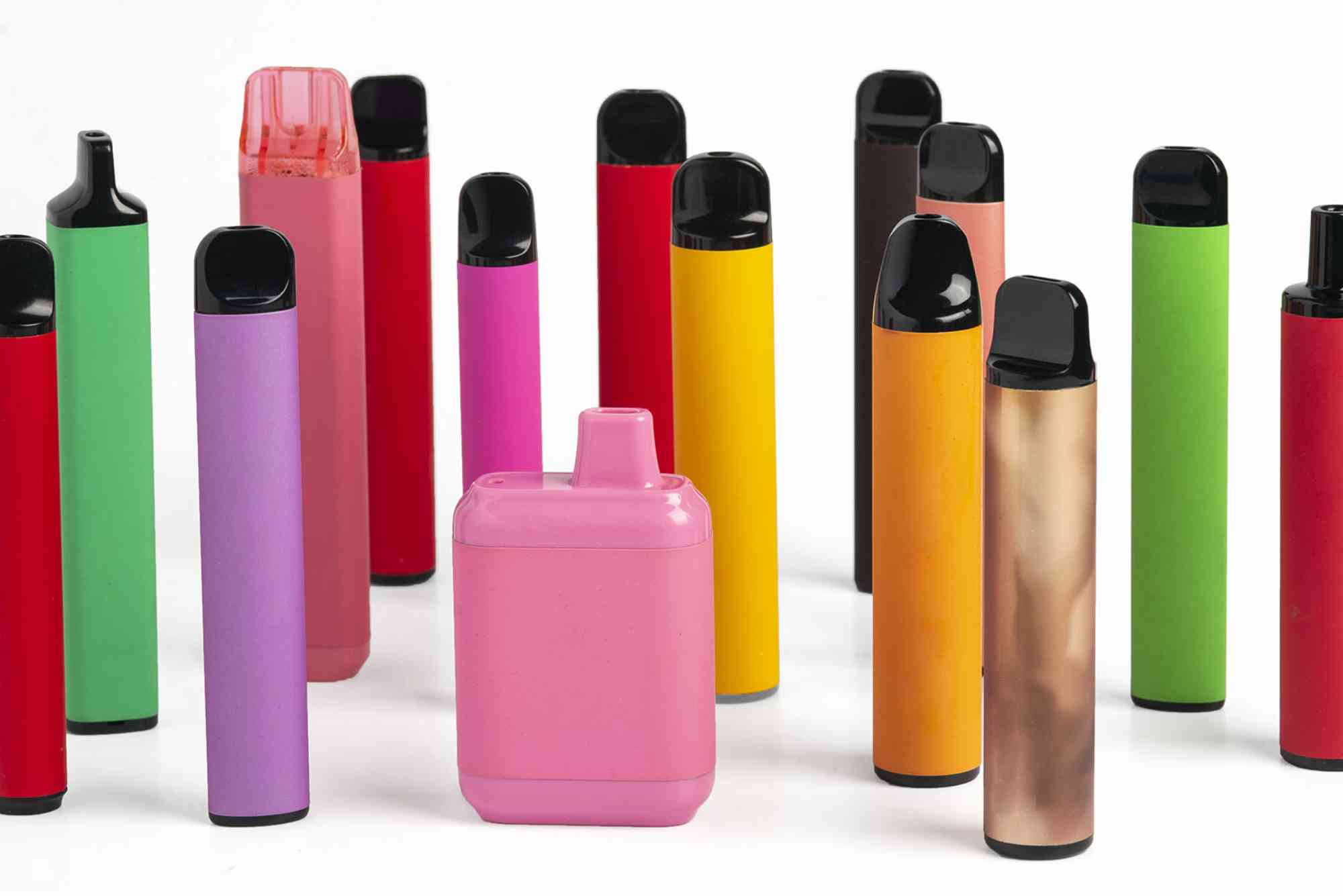
Yes, vaping is largely illegal in Thailand in 2022. The possession, sale, and import of e-cigarettes and vaping devices are banned under Thai law. This ban applies to both nicotine-containing and nicotine-free vape products. Authorities consider vaping products to fall under the category of tobacco products or illegal imports, resulting in strict penalties for violations.
Legal Consequences for Vaping in Thailand
The Thai government enforces vaping restrictions rigorously. If caught with vaping devices or e-liquids, individuals can face hefty fines and even imprisonment. Travelers have reported confiscation of vape devices at airports and police checkpoints. Retailers caught selling vaping products risk license revocation, fines, and criminal charges. This zero-tolerance approach aims to protect public health, but it means vapers must be extremely cautious.
Reasons Behind Thailand’s Vape Ban
Thailand’s vape ban stems from concerns over health risks, youth vaping, and unregulated product safety. Officials worry about the unknown long-term effects of vaping and the appeal of vaping to young people. Additionally, illegal imports and counterfeit vape products pose risks to consumers.
Risks in Vape Batteries: Why Vape Battery Safety Matters
Beyond legal issues, vaping involves technical risks, especially concerning vape batteries. Understanding these risks helps you stay safe, whether you vape in countries with strict laws or where it is legal.
What Are the Common Risks with Vape Batteries?
Vape batteries, usually lithium-ion types, carry risks such as overheating, explosion, and fire. Poorly maintained or damaged batteries can malfunction. Incorrect charging, using incompatible chargers, or physical damage to batteries increases these dangers. Battery failures can lead to serious injuries and property damage.
How to Identify Unsafe Vape Batteries
Beware of cheap or counterfeit batteries lacking proper certifications. Authentic batteries come with safety markings and are sourced from reputable manufacturers. Signs of battery issues include swelling, leaking, overheating, or unusual smells. Never ignore these warning signs.
Best Practices for Vape Battery Safety
Always use the charger designed for your device. Avoid exposing batteries to extreme temperatures or moisture. Store batteries in protective cases and avoid carrying loose batteries in pockets with metal objects like keys. Regularly inspect batteries for damage and replace them as needed. These precautions can prevent accidents and ensure a safer vaping experience.
Navigating Vaping Safety in Thailand Despite the Ban
While vaping is illegal, some people still vape discreetly in Thailand. If you choose to vape there, prioritizing battery safety is essential to avoid additional hazards.
Tips for Staying Safe If You Vape in Thailand
Do not purchase vaping products from unverified sources; counterfeit products are common. Carry minimal vaping accessories to avoid drawing attention. Prioritize battery safety by using reliable batteries and chargers. Keep vape devices clean and dry. Above all, be aware of the legal risks and avoid public vaping to minimize confrontation with authorities.
What the Future Holds: Will Thailand Change Its Vape Laws?
Currently, there is no indication that Thailand will loosen vape regulations soon. Health officials continue to advocate for strong control measures. However, ongoing debates globally about vaping’s role in harm reduction could influence future policies. Vapers and advocates hope for clearer regulations that balance safety and consumer rights.
Stay Informed and Vape Safely
In summary, is vaping illegal in Thailand 2022? Yes, vaping remains illegal, with strict penalties on possession, sale, and import. Moreover, vape battery safety is crucial to avoid risks like fires or explosions. If you vape in Thailand or plan to visit, understanding these laws and safety tips protects you from legal trouble and harm.
For vapers worldwide, staying informed about local laws and practicing battery safety ensures a responsible vaping experience. Remember, knowledge and caution are your best tools.
FAQs
Is vaping banned in Thailand for tourists too?
Yes, the ban applies to everyone, including tourists. Authorities often confiscate vaping devices at entry points.
Can I bring my vape device into Thailand?
No, bringing vape devices or e-liquids into Thailand is illegal and may result in fines or imprisonment.
What happens if I am caught vaping in Thailand?
You may face fines, imprisonment, or both. Penalties depend on the offense’s severity.
Are nicotine-free vape products allowed in Thailand?
No, all vaping products, regardless of nicotine content, are prohibited.
How can I ensure my vape battery is safe?
Use batteries from reputable brands, avoid damage, charge with the correct charger, and store properly.
Why do vape batteries sometimes explode?
Explosions usually happen due to overheating, physical damage, short circuits, or improper charging.
Can I vape in private places in Thailand?
Vaping is illegal everywhere in Thailand, including private places, though enforcement may vary.