Introduction
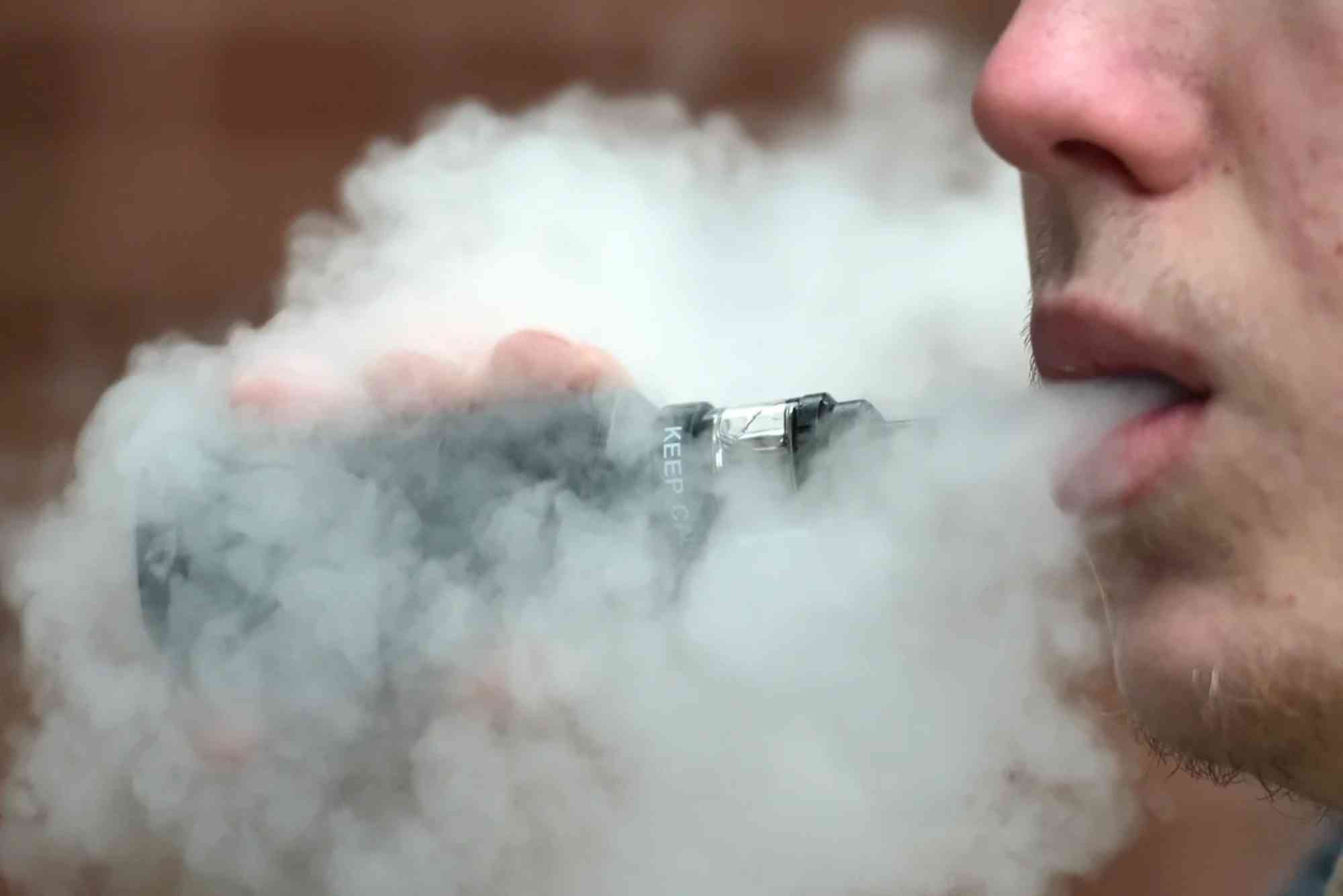
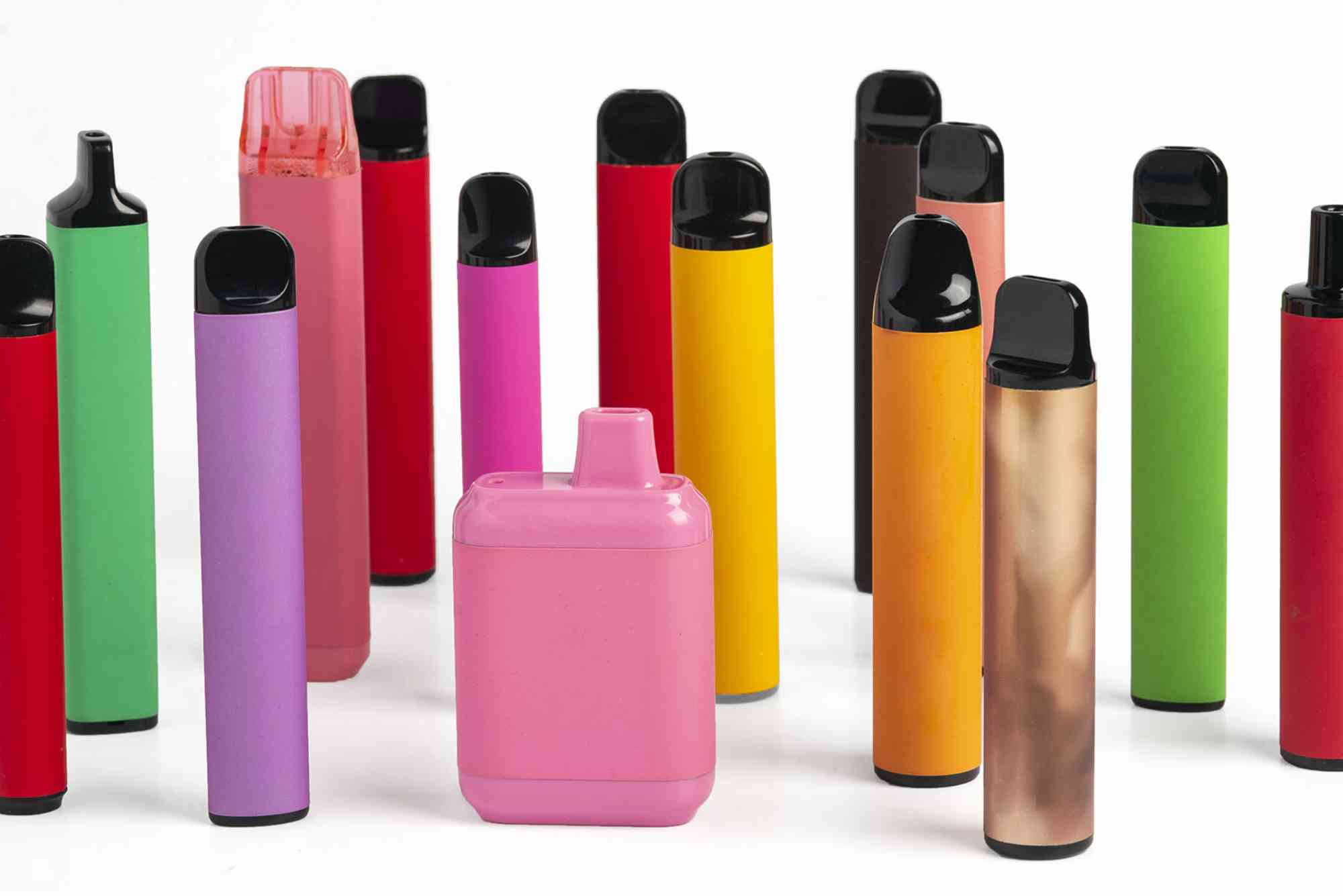
Vaping has become a global trend, with millions of people turning to e-cigarettes as an alternative to smoking. However, if you live in or are planning to visit Singapore, you might wonder: is vapes illegal in Singapore? The answer is yes—vaping is banned, and strict laws exist against selling, possessing, or using e-cigarettes in the country. Despite this prohibition, many people remain curious about vape culture and battery safety, as the risks of mishandling vape devices extend beyond legality. Understanding both the legal implications and the dangers of vape batteries is essential for staying safe and informed.
Understanding the Legal Status of Vaping in Singapore
Singapore has some of the strictest anti-smoking and anti-vaping laws in the world. The government enforces these regulations to protect public health, reduce nicotine addiction, and discourage youth from experimenting with vaping. According to the Tobacco (Control of Advertisements and Sale) Act, all forms of electronic cigarettes and vaporisers are illegal. This ban includes import, sale, distribution, and possession of vapes.
Travelers are often surprised to learn that simply bringing a vape device into Singapore can result in hefty fines or even imprisonment. The penalties are severe, with fines reaching up to SGD 2,000 for individuals caught possessing e-cigarettes. Retailers or distributors face even harsher consequences, including higher fines and jail terms. For residents and visitors, the safest choice is to completely avoid carrying or using vapes in Singapore.
Why Did Singapore Ban Vaping?
To understand why is vapes illegal in Singapore, it’s important to look at the government’s perspective. The Ministry of Health emphasizes that vaping can act as a gateway to nicotine addiction, especially among young people. Officials argue that banning vapes entirely helps prevent the normalization of smoking-like behaviors.
Another factor is public health. While some studies suggest vaping may be less harmful than traditional smoking, vape liquids still contain nicotine and other chemicals that pose health risks. Singapore, known for its proactive public health policies, chose to take a hard stance rather than regulate e-cigarettes. The goal is to maintain low smoking rates and safeguard future generations from nicotine dependence.
The Overlooked Risk: Vape Battery Safety
Even though vapes are illegal in Singapore, people around the world continue to use them. One aspect often overlooked is the risk of vape battery accidents. Lithium-ion batteries, commonly used in vape devices, are powerful but sensitive. Mishandling them can lead to overheating, explosions, or fires.
Battery-related incidents are rare but serious. News reports have documented cases where vape devices exploded in pockets, cars, or even during use. Such accidents can cause burns, property damage, and in some cases, life-threatening injuries. Understanding battery safety is therefore vital for anyone using vape devices outside Singapore where they are permitted.
How Vape Batteries Work
Most vape devices rely on rechargeable lithium-ion batteries. These batteries store and release energy efficiently, making them popular in smartphones, laptops, and other electronics. However, unlike sealed gadgets, vape batteries are exposed to frequent handling, charging, and usage in close proximity to the face. This raises the risk of user error.
If a battery is overcharged, exposed to heat, or damaged physically, it can short-circuit. This process creates thermal runaway, where the battery rapidly overheats and ignites. Since vape batteries are small but powerful, even a single malfunction can cause significant harm.
Common Causes of Vape Battery Failures
The risks associated with vape batteries usually stem from preventable mistakes. Using counterfeit batteries, mixing different brands, or using chargers not designed for vaping devices can increase the chance of accidents. Poorly made devices or modifications by inexperienced users also create safety hazards. Carrying spare batteries in pockets with coins or keys is another common mistake that can trigger short circuits.
Temperature plays a role as well. Leaving vape devices in hot cars, direct sunlight, or near flammable objects increases the likelihood of overheating. Similarly, overcharging batteries overnight without supervision can damage their protective layers, leading to eventual failure.
Best Practices for Vape Battery Safety
Even though vapes are illegal in Singapore, millions of people worldwide continue to use them. For those individuals, adopting safe battery practices is crucial. The first step is to only buy devices and batteries from reputable manufacturers. Counterfeit products may cut corners on safety, putting users at higher risk.
Users should always follow manufacturer guidelines for charging. Using the original charger or one specifically designed for the device ensures proper voltage regulation. Batteries should never be left charging unattended, especially overnight. Storing devices in cool, dry places and avoiding exposure to extreme temperatures further reduces risks.
When carrying spare batteries, it is essential to use protective cases. Exposed terminals can easily short-circuit if they come into contact with metal objects. Regularly inspecting batteries for signs of damage, such as dents, swelling, or leaking fluid, is also important. Damaged batteries must be disposed of safely at designated recycling facilities.
Balancing Legal Awareness and Battery Safety
If you ask is vapes illegal in Singapore, the answer remains a firm yes. Yet the conversation does not stop at legality. For individuals living in countries where vaping is permitted, understanding vape battery risks is just as important as following the law. Laws like those in Singapore aim to protect citizens from health hazards and discourage nicotine use, while battery safety focuses on preventing physical harm from accidents.
Both perspectives emphasize the importance of informed decision-making. Whether you are considering vaping as an alternative to smoking or simply curious about its risks, knowledge is your most powerful tool.
Health Risks Beyond Batteries
Battery explosions may be dramatic, but they are not the only dangers of vaping. E-liquids often contain nicotine, which is highly addictive. Long-term use can increase heart rate, blood pressure, and lead to dependency. Some vape juices also include flavoring chemicals linked to lung irritation.
Additionally, because vaping is relatively new compared to smoking, researchers are still uncovering its long-term health effects. Early studies suggest links to respiratory problems, reduced immune responses, and cardiovascular risks. These health concerns reinforce Singapore’s strict stance against vaping.
Global Comparison: How Other Countries Handle Vaping
While Singapore enforces a complete ban, other countries adopt varied approaches. In the UK, vaping is promoted as a harm reduction tool for smokers. The US regulates vape products but struggles with rising youth usage. Australia allows vaping only with a prescription for nicotine e-liquids.
This global diversity highlights the complexity of regulating a product that lies in a gray area between medicine and lifestyle. Singapore’s position is among the strictest, sending a clear message that the risks outweigh potential benefits.
FAQs
Is vapes illegal in Singapore?
Yes, all forms of vapes and e-cigarettes are banned. Importing, selling, or possessing them can result in fines or imprisonment.
Can tourists bring vapes to Singapore?
No. Tourists are not allowed to bring vape devices into Singapore. Customs officials may confiscate them and issue penalties.
What happens if you are caught vaping in Singapore?
Individuals caught vaping can be fined up to SGD 2,000. Repeat offenders or those distributing devices may face harsher punishments.
Why did Singapore ban vaping?
The government banned vaping to protect public health, prevent youth addiction, and discourage smoking-like behaviors.
Are vape batteries dangerous?
Yes, lithium-ion vape batteries can be dangerous if mishandled. Risks include overheating, explosions, and burns.
Is vaping safer than smoking?
Some studies suggest vaping may expose users to fewer toxins than smoking. However, it is not risk-free and still poses health dangers.
So, is vapes illegal in Singapore? Absolutely. The country enforces strict bans to protect its citizens from the health risks associated with nicotine and vaping culture. But legality is just one part of the equation. For individuals in countries where vaping is permitted, battery safety remains a crucial issue. Mishandled vape batteries can lead to dangerous accidents, making it essential to follow best practices like proper charging, safe storage, and avoiding counterfeit products.