Is Vape Illegal in Russia? Understanding the Law and Its Impact on Vaping Health
The question “is vape illegal in Russia?” has become increasingly relevant as global policies shift rapidly around vaping and electronic cigarettes. For residents, tourists, and health professionals, understanding Russia’s legal stance on vaping is crucial—not only for staying compliant but also for protecting health. In this article, we’ll explore Russia’s evolving vaping laws, how they affect users, and what health implications are tied to vaping practices under these regulations.
Russia’s Legal Framework on Vaping
Russia has long maintained a cautious approach toward nicotine products, and its regulatory environment around vaping reflects this trend. Although vaping is not completely illegal in Russia, the government has introduced strict rules that heavily regulate its use, sale, marketing, and even personal possession.
Legislative Changes: What’s Happening in 2025?
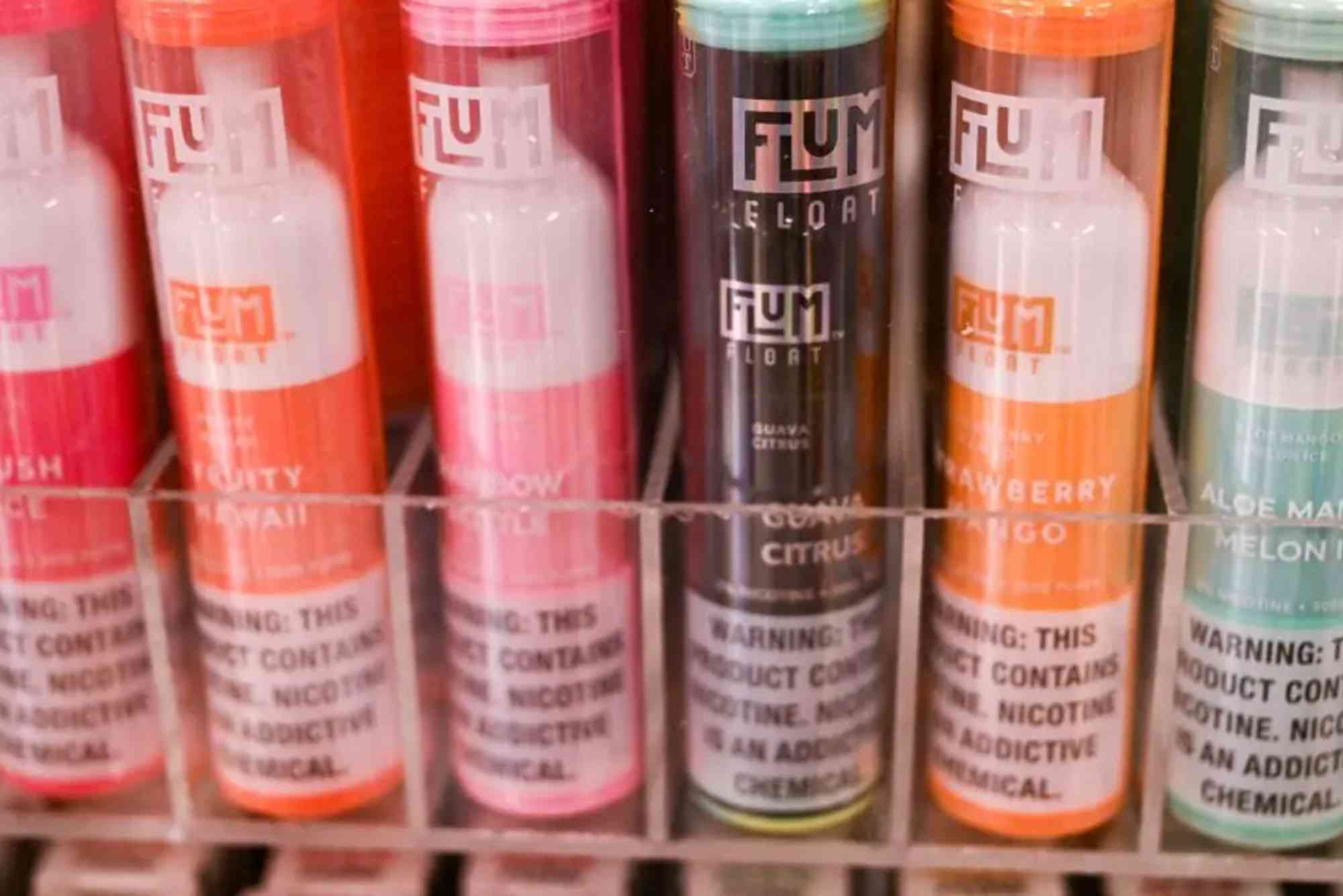
In recent years, Russia has tightened its control over the tobacco and nicotine industry. Starting in 2021 and escalating through 2023 to 2025, Russia has implemented multiple restrictions aimed at reducing vaping among youth and discouraging public vaping behavior. This includes a sweeping ban on flavored e-liquids, stricter labeling requirements, and outright bans on the sale of vape products in convenience stores.
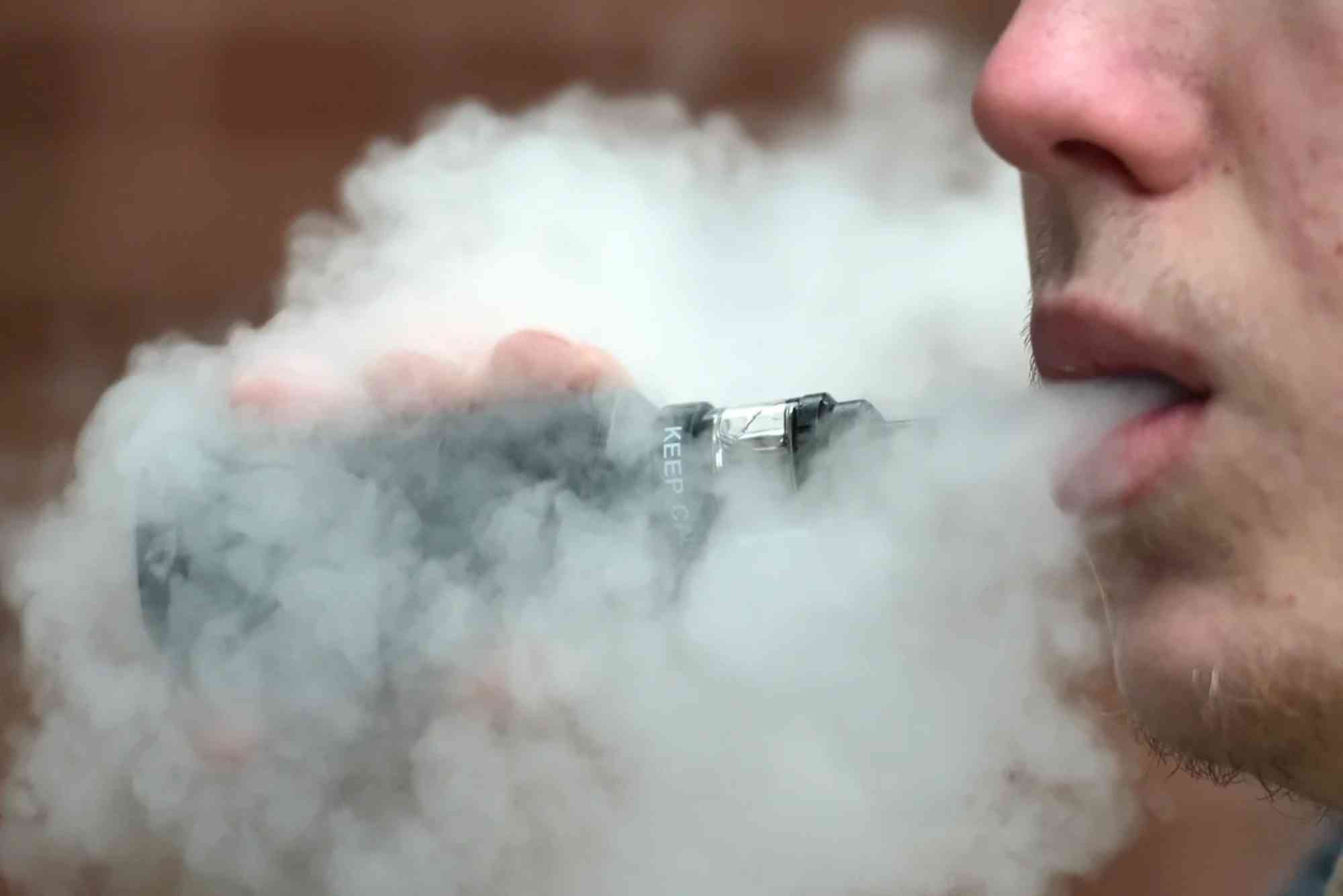
Public vaping is now treated similarly to cigarette smoking. It is banned in public transportation, government buildings, schools, and within a set distance from entrances of public institutions. Moreover, online advertising and promotion of vape products are prohibited under Russian law.
Is Vape Illegal in Russia? The Short Answer
So, is vape illegal in Russia? Technically, no—vaping is not banned outright. However, the tight regulations make it difficult for vendors and users to access and use vaping products freely. The sale, import, and public use of vape products are highly restricted, and violating these laws can lead to fines or even imprisonment.
For travelers, this means you can carry personal vaping devices for personal use, but you must avoid using them in public places. Travelers are also advised to check the quantity of nicotine liquid they bring, as exceeding certain limits can lead to legal trouble.
Impact on Local Vape Markets
Russian vape shops have taken a hit. As regulations have grown stricter, many small retailers have shut down or moved operations underground. The legal ambiguity around flavored vapes has also created confusion for vendors. Some cities enforce bans more aggressively than others, resulting in a fragmented market where availability can vary dramatically between Moscow, Saint Petersburg, and regional towns.
International brands, too, face hurdles. Import taxes have increased, and labeling requirements now demand Russian-language health warnings and nicotine content clarity. Many foreign companies have scaled back operations due to the legal burdens and risk of non-compliance.
Impact on Public Behavior and Vaping Culture
The stricter rules have altered how vaping is perceived in Russian society. While vaping was once seen as a trendy alternative to smoking, it is now increasingly viewed through the lens of addiction and health risk. The government has supported public health campaigns to discourage both smoking and vaping, particularly among teenagers and young adults.
Users have responded in different ways. Some have shifted to discreet usage patterns—vaping at home or in private areas—while others have returned to traditional tobacco, which remains more accessible in many parts of the country. Social media discussions also reveal a rise in DIY (do-it-yourself) vape liquid production, which poses its own set of health risks.
Health Implications of Vaping in Russia
The health effects of vaping remain a global concern, and in Russia, they are complicated by a lack of standardized quality control. With stricter regulations pushing vape products into the black market, many users are exposed to unregulated e-liquids that may contain harmful chemicals, unknown nicotine levels, or contaminants.
Doctors in Russia have begun to report an increase in cases involving lung irritation and respiratory issues linked to low-quality vape liquids. Moreover, due to the lack of public education on proper vaping practices, many users mix or refill their pods without proper hygiene, leading to additional risks. Vaping is still considered less harmful than traditional smoking, according to global research. However, this only applies when users consume regulated, high-quality products. In the Russian context, where enforcement and black-market alternatives intersect, these health risks multiply.
The Role of Youth Vaping in Policy Shifts
Youth vaping has been one of the driving forces behind Russia’s vaping laws. Statistics from the Ministry of Health suggest that vaping among teenagers increased by over 30% between 2018 and 2022. This surge prompted public outcry and urgent policy responses.
Schools have incorporated anti-vape education, and parents are increasingly vocal in supporting the government’s harsh stance. The new laws reflect a desire to curb underage usage, even if it means making access more difficult for adults who might otherwise be using vapes to quit smoking.
Future Outlook: What Comes Next?
With the current trajectory, it’s likely that Russia will continue to tighten its vaping laws. There are discussions in the State Duma (Russian Parliament) about increasing penalties for illegal sale and use, including possible prison sentences for repeat offenders.
The government may also expand its efforts to develop and promote local alternatives, similar to how some countries invest in state-regulated vape products. However, the success of such measures will depend on whether they can balance health safety, consumer freedom, and regulatory efficiency.
Vaping vs Smoking: Russian Perspective
One of the contradictions in Russia’s health policy is the simultaneous tolerance for traditional tobacco and the crackdown on vaping. Cigarettes are still widely available, relatively affordable, and culturally ingrained, while vapes are restricted or stigmatized.
This contrast has drawn criticism from public health advocates who argue that vaping, while not risk-free, offers a harm reduction strategy for long-term smokers. Until Russia can align its policies more closely with harm reduction principles, the debate between vaping and smoking is likely to continue.
Advice for Tourists Visiting Russia
If you’re planning to travel to Russia and vape regularly, consider these precautions:
- Do not vape in public areas, especially transportation and government zones.
- Carry vape devices and e-liquids in labeled, sealed containers.
- Bring only a personal-use quantity of e-liquid—no more than 100 ml is generally advised.
- Avoid purchasing e-liquids locally unless you’re sure of the vendor’s compliance with safety standards.
- Be discreet, respectful of local norms, and follow posted signage.
These steps can help avoid legal trouble and ensure a smoother experience while traveling.
Stay Informed, Stay Safe
Understanding is vape illegal in Russia isn’t just about legality—it’s about your health, safety, and ability to make informed choices. While vaping isn’t entirely banned, the Russian government has created an environment that discourages its use, especially among youth and public users. The impact on health is significant, especially as unregulated products flood the market.
If you’re a resident or traveler, staying updated on the laws and making safe vaping choices is essential. Knowledge is your best defense—against both legal trouble and potential health harm. Are you a vaper planning to visit Russia? Stay informed, pack responsibly, and respect the local regulations. For more updates on vaping laws worldwide and tips on safe use, subscribe to our newsletter today.
FAQs
Is it legal to buy vapes in Russia?
Yes, but only from licensed vendors. Some flavored products are banned, and IDs are required for purchase.
Can I bring my vape into Russia as a tourist?
Yes, for personal use only. Do not exceed recommended limits for nicotine liquids and avoid public vaping.
Why did Russia restrict vaping so much?
Due to concerns about youth addiction, public health risks, and the lack of long-term studies on vaping safety.
Are flavored vapes banned in Russia?
Most flavors, especially those appealing to youth (like fruit and candy), are banned or restricted.
Is it safer to smoke than vape in Russia?
Not really. Both carry health risks. However, smoking is less legally restricted, which can be misleading from a health perspective.