Introduction
Vaping is a growing trend across the world, but the laws surrounding it differ from one country to another. Iraq, a country with deep cultural traditions and strict regulations, has its own unique stance on vaping. Many people wonder whether vaping is legal, what restrictions apply, and how these regulations affect health and consumer choices. Understanding Iraq vape laws is important for residents, travelers, and businesses because the rules influence not only product availability but also the safety of users.
In this article, we will explore Iraq’s approach to vaping, its legal framework, and the potential health implications of these laws. We will also compare Iraq’s rules with global trends and provide practical insights for individuals who vape or plan to start.
The Legal Landscape of Vaping in Iraq
Vaping products entered Iraq much later than in Western markets, but their popularity has been increasing steadily among young adults. Unlike traditional tobacco, which has been consumed in Iraq for centuries, electronic cigarettes are relatively new and less understood. The government has taken a cautious stance by treating vaping in a way that is closely tied to tobacco control.
Currently, Iraq vape laws do not provide a fully detailed, nationwide framework. Instead, they are regulated under existing tobacco and public health guidelines. Importing vaping products often requires special permits, and some cities apply stricter controls than others.
Restrictions on Sales and Advertising
The Iraqi authorities generally discourage aggressive marketing of vape products. Advertising campaigns that target youth or portray vaping as completely safe are often restricted. Retailers face challenges because they must comply with both local business laws and health regulations that consider vaping products similar to traditional cigarettes.
Availability in the Market
Despite legal hurdles, vape devices and e-liquids are available in many Iraqi cities, especially in urban areas like Baghdad and Erbil. Specialty shops sell imported devices, but prices are often higher compared to global averages due to import taxes and logistical barriers. Online sales are less common due to limited digital commerce regulations, but social media channels often facilitate purchases.
How Iraq Vape Laws Affect Public Health
The core aim of Iraq vape laws is to reduce public health risks. Authorities recognize that vaping may pose fewer risks than smoking but are concerned about its long-term impact, especially among youth. The regulations reflect an attempt to balance harm reduction with prevention.
Encouraging Responsible Use
By limiting widespread marketing, the laws try to prevent vaping from becoming a fashionable habit among teenagers. In societies with strong family and cultural values like Iraq, such restrictions are seen as a way to protect the younger generation.
Challenges with Unregulated Products
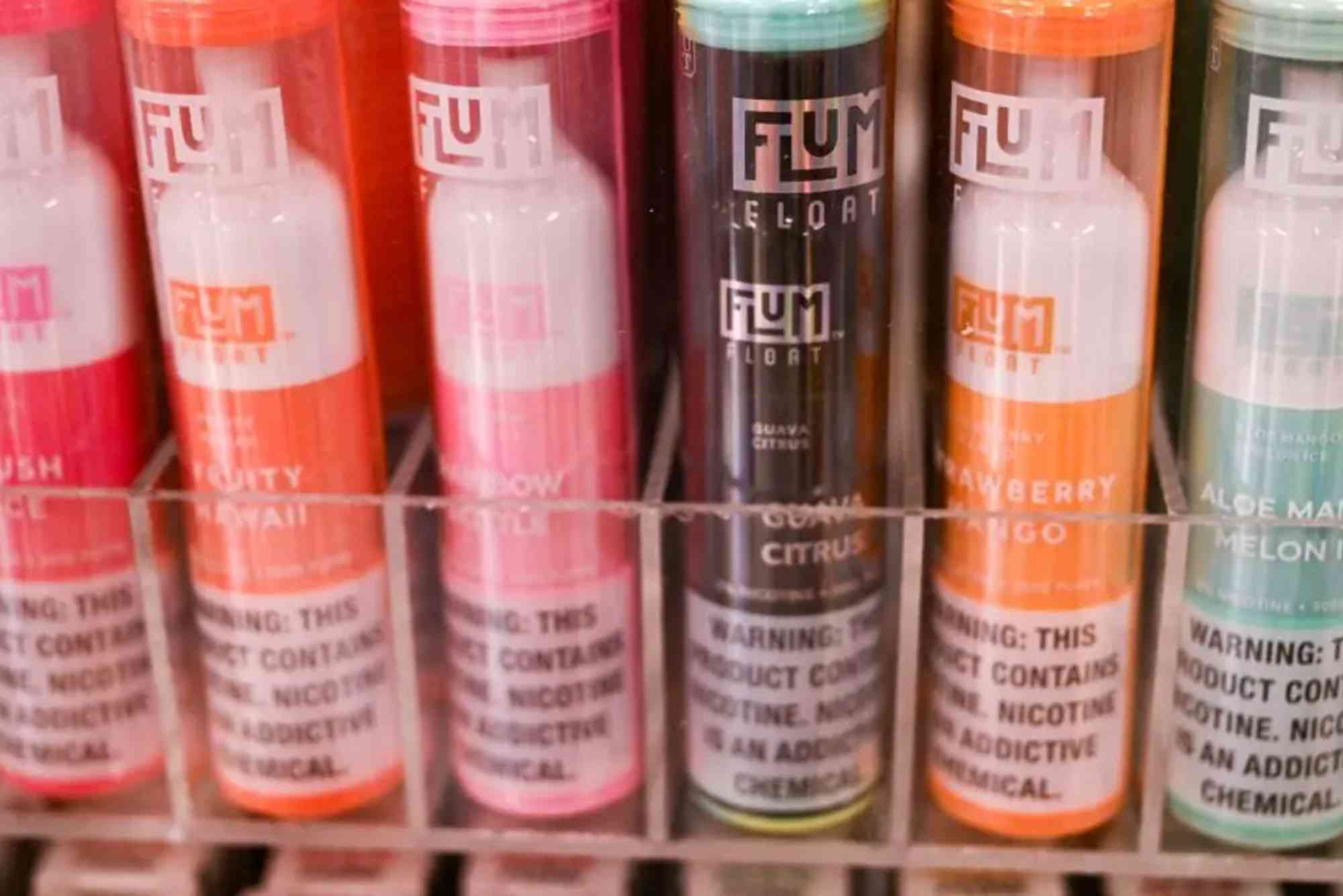
One of the biggest health concerns is the availability of unregulated or counterfeit vape liquids. Because Iraq lacks strict manufacturing oversight, many imported products enter without proper testing. These low-quality products can contain harmful chemicals, making them riskier than regulated alternatives.
Smoking vs. Vaping in Iraq
Traditional tobacco smoking is still very common in Iraq, especially among men. Waterpipes, known as shisha or hookah, are deeply rooted in Iraqi culture. Vaping is sometimes viewed as a modern alternative, but public opinion is divided. Some see it as a safer option, while others view it as just another harmful addiction.
International Comparison of Vape Laws
To understand Iraq’s situation better, it helps to compare its approach with other countries.
In the United States and European Union, vaping is widely available but regulated with age restrictions, packaging warnings, and quality standards. In contrast, countries like India and Thailand have imposed strict bans on vaping. Iraq falls somewhere in between: not a complete ban, but not fully legalized and standardized either.
This middle-ground approach reflects the government’s cautious attitude. Iraq is aware of global research showing vaping can reduce harm for smokers who switch, but it also sees risks of youth addiction and misuse.
The Impact on Consumers and Businesses
The mixed nature of Iraq vape laws creates uncertainty for both consumers and entrepreneurs.
For consumers, the main issue is access to safe products. Because not all items undergo health checks, people often rely on personal recommendations or imported brands from Europe and the Middle East. This lack of consistency makes it hard to trust every product on the market.
For businesses, the unclear regulatory framework creates challenges. Vape shop owners must navigate local restrictions, unpredictable import rules, and fluctuating demand. Some operate in a legal gray area, which limits their ability to expand or invest.
Health Implications of Iraq Vape Laws
The debate over vaping’s health effects continues worldwide, and Iraq is no exception. Supporters argue that vaping can help smokers quit traditional cigarettes, which are responsible for severe health problems. Critics worry that weak regulation might lead to harmful consequences.
Harm Reduction Perspective
Several global studies suggest vaping is less harmful than smoking because it avoids tar and many toxic chemicals found in burned tobacco. If Iraq implements stricter quality control and age restrictions, vaping could become a tool for reducing smoking-related diseases.
Risks of Misuse
Without strong regulations, some users may consume e-liquids with dangerous additives or excessively high nicotine levels. In the absence of proper labeling standards, consumers cannot always verify product safety. This makes the health risks in Iraq potentially higher than in countries with stronger oversight.
Future of Iraq Vape Laws
The future of Iraq vape laws will likely depend on regional trends and global health recommendations. As more evidence emerges about the role of vaping in harm reduction, Iraqi lawmakers may adopt clearer policies. Possible future steps include age restrictions, product testing, labeling requirements, and designated vaping zones similar to smoking areas.
Public awareness campaigns may also play a role. Educating consumers about safe vaping practices and the differences between regulated and counterfeit products could reduce health risks. Collaboration with international health organizations may help Iraq design policies that balance harm reduction with public safety.
Frequently Asked Questions
Is vaping legal in Iraq?
Yes, vaping is legal but regulated under tobacco laws. Availability may vary depending on the city.
Can you buy vape products in Baghdad or Erbil?
Yes, vape shops operate in major Iraqi cities, but prices are higher due to import costs.
Are there age restrictions for vaping in Iraq?
While Iraq does not have a universal vaping age law, many shops apply 18+ restrictions following tobacco guidelines.
Is vaping safer than smoking in Iraq?
Studies suggest vaping is less harmful than smoking, but risks remain due to unregulated products in the market.
Can tourists bring vape devices to Iraq?
Tourists generally can, but it is wise to check customs regulations, as policies may change.
Iraq vape laws reflect the country’s cautious stance toward a new and fast-growing habit. While not completely banned, vaping remains under tight restrictions and lacks clear nationwide standards. This creates both opportunities and risks. On the positive side, vaping could serve as a harm reduction tool for smokers. On the negative side, the absence of strict product regulation means consumers face health risks from counterfeit or unsafe products.
For Iraq to benefit fully from vaping as an alternative to smoking, stronger legal frameworks and public education are needed. Whether you are a resident, a business owner, or a traveler, understanding Iraq vape laws is essential for making safe and informed choices.