Introduction
Vaping has become a central topic in health and law debates across the United States. In Indiana, the regulations around vaping have evolved significantly in recent years. The Indiana vape law is designed to protect young people, regulate the sale of e-cigarettes, and address health concerns linked to nicotine use. Understanding these laws is crucial for vapers, retailers, parents, and policymakers. This article explains Indiana’s vaping regulations, their background, and their impact on health while addressing common questions about vaping legality in the state.
The Legal Framework of Indiana Vape Law
Indiana has taken strong measures to regulate vaping products. These rules cover purchase age, product labeling, taxation, and where people can use e-cigarettes. Like traditional tobacco, vape products are subject to laws intended to reduce underage access and control nicotine consumption.
Minimum Age Requirement
The legal age to purchase vaping products in Indiana is 21, aligning with the federal Tobacco 21 law. This rule applies to all e-cigarettes, vape pens, and nicotine delivery systems. Retailers who sell to minors face strict penalties, including fines and possible loss of license.
Retailer Licensing and Regulation
Retailers selling vape products in Indiana must hold a valid tobacco sales certificate. The law requires stores to verify identification to prevent sales to underage buyers. Failure to comply with these regulations can result in significant penalties, reinforcing the state’s commitment to keeping vaping products out of minors’ hands.
Taxation of Vape Products
Since 2022, Indiana has applied a tax on vaping products. E-liquids containing nicotine are taxed per milliliter, while closed-system devices face additional taxation. The state introduced this tax to discourage excessive consumption while generating revenue for health programs and enforcement efforts.
Restrictions on Flavored Products
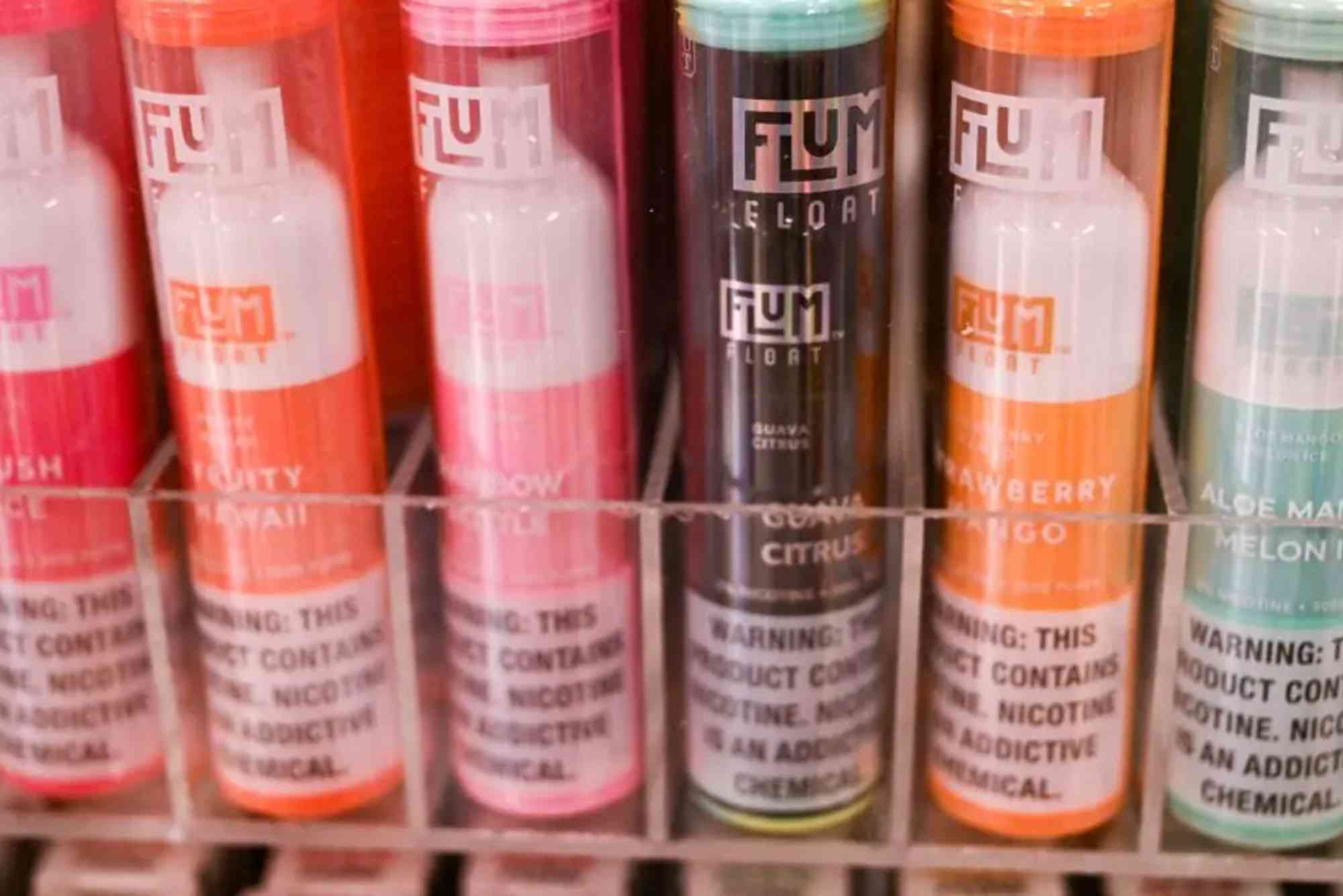
Flavored vape products, especially those that appeal to young users, face extra scrutiny under Indiana vape law. While not fully banned, many flavors are regulated, and retailers must comply with federal restrictions issued by the FDA. The goal is to limit youth attraction to sweet or candy-like vape options.
Public Vaping Restrictions
Vaping is restricted in many of the same places as smoking. Under Indiana’s Clean Indoor Air Law, vaping is prohibited in public buildings, schools, restaurants, and most workplaces. Some private establishments may allow vaping, but public spaces enforce strict bans to protect non-smokers from exposure.
The Health Impact of Indiana Vape Law
The legal framework does more than regulate sales; it directly influences public health. The Indiana vape law is part of a larger effort to address nicotine addiction, prevent long-term health problems, and safeguard younger generations.
Nicotine Addiction Prevention
By raising the minimum age and regulating access, Indiana reduces the risk of teenagers becoming addicted to nicotine. Early exposure to nicotine can have lasting effects on brain development. Preventing access is a health-driven approach supported by medical research.
Reduced Youth Vaping Rates
Youth vaping rates in Indiana have mirrored national concerns. Laws restricting flavors, raising age limits, and requiring ID checks aim to slow this trend. While challenges remain, public health officials credit these measures with lowering the number of underage users.
Vaping vs. Smoking Health Risks
Vaping is often marketed as a safer alternative to smoking. While studies show that vaping exposes users to fewer toxins than traditional cigarettes, the health risks remain significant. Indiana’s restrictions encourage adults to weigh these risks carefully and discourage non-smokers, especially teens, from starting the habit.
Secondhand Vapor Exposure
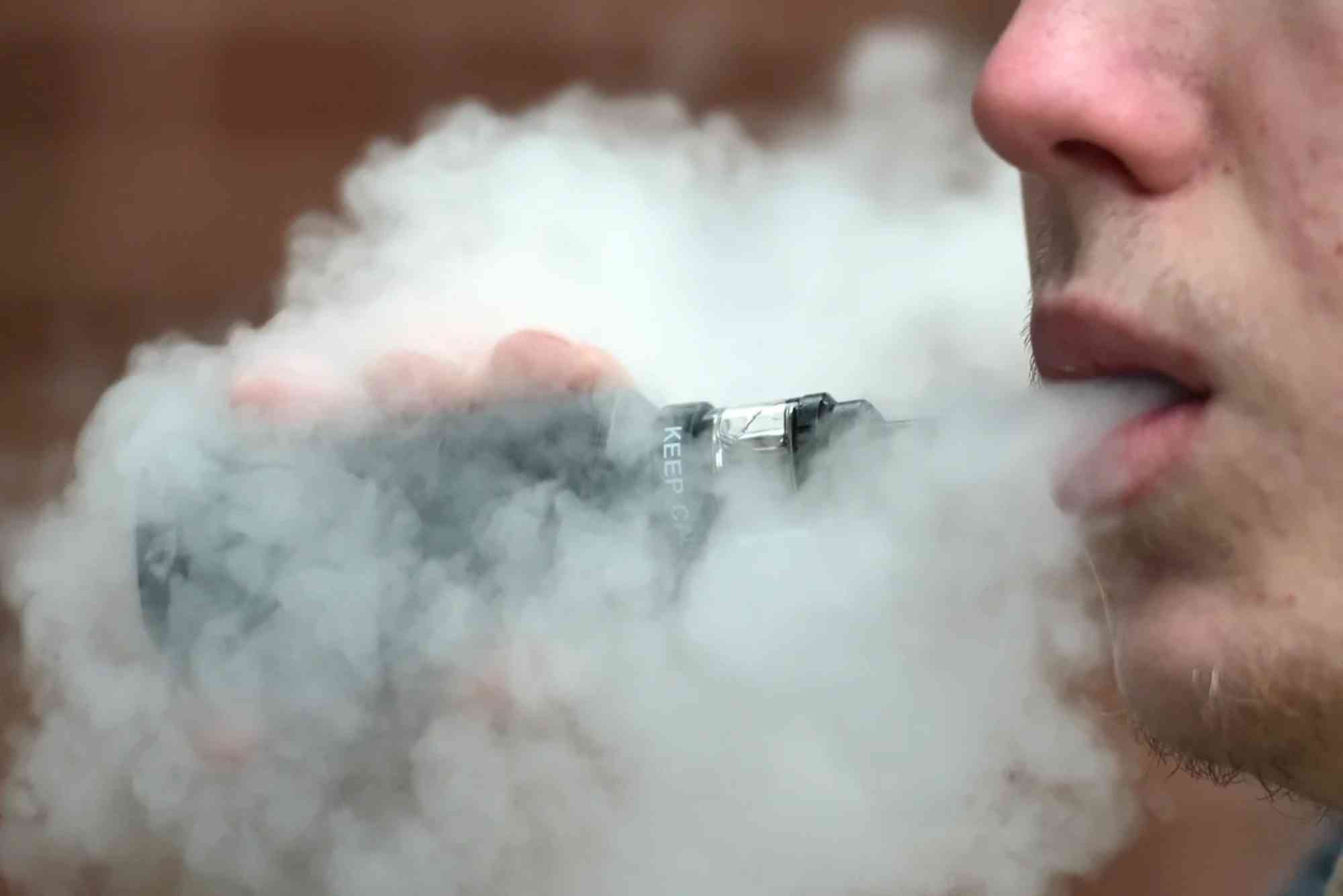
Public vaping restrictions also protect people from secondhand vapor. While not as harmful as secondhand smoke, vapor still contains nicotine and other chemicals. Limiting vaping in shared spaces protects vulnerable populations, including children, pregnant women, and individuals with respiratory conditions.
Why Indiana Vape Law Matters to Retailers
For business owners, understanding Indiana’s vape law is critical. Retailers who fail to comply face legal and financial consequences.
- Licensing: Every vape seller needs a valid tobacco sales certificate.
- Product Compliance: All e-liquids and devices must meet federal labeling standards.
- Tax Reporting: Retailers are required to correctly apply and report vape product taxes.
Non-compliance can result in product seizures, fines, or even business closure.
Public Perception of Vaping in Indiana
Public opinion on vaping is divided. Supporters argue that vaping helps smokers quit, while opponents highlight the growing youth addiction crisis. Indiana lawmakers balance these views by allowing adult access but tightening restrictions to curb youth usage. Health professionals continue to caution against marketing vaping as risk-free.
Frequently Asked Questions
Can you vape at 18 in Indiana?
No, the minimum legal age is 21. Anyone under 21 cannot purchase or possess vaping products in Indiana.
Are flavored vapes banned in Indiana?
Not completely. Some flavored products are restricted under federal law, but Indiana enforces these rules and monitors compliance.
Can you vape indoors in Indiana?
Vaping is banned in most indoor public places, including restaurants, workplaces, and schools. Some private businesses may allow it, but statewide restrictions are in place.
Do vape shops need a license in Indiana?
Yes, retailers must hold a tobacco sales certificate to legally sell vaping products.
Is vaping taxed in Indiana?
Yes, vaping products are subject to a state tax. E-liquids are taxed per milliliter, and closed-system devices carry an additional tax.
Is vaping safer than smoking in Indiana’s health guidelines?
Health experts in Indiana caution that vaping is not safe, though it may expose users to fewer harmful chemicals than smoking. The state does not endorse vaping as a smoking cessation tool.
The Future of Indiana Vape Law
Indiana continues to evaluate its approach to vaping regulation. With federal policies evolving, including ongoing FDA reviews of e-cigarette products, state lawmakers remain flexible in updating laws. Future changes may include stricter flavor bans, higher taxes, or expanded public vaping restrictions. Public health data will play a significant role in shaping these updates.
The Indiana vape law represents a structured effort to balance adult freedom with public health priorities. By raising the minimum age, regulating flavors, taxing products, and restricting public use, Indiana aims to reduce nicotine addiction and safeguard young people from long-term harm. For adults, vaping remains legal but subject to strict rules. Retailers must comply with licensing and tax obligations to continue operations.
For individuals considering vaping, it is important to understand both the legal framework and the health implications. Vaping is not risk-free, and Indiana’s laws highlight those concerns. Whether you are a parent, retailer, or adult vaper, staying informed helps you make responsible decisions.
If you want to learn more about the latest updates, check Indiana’s official health department website or consult local authorities. Stay aware of the rules, respect public health, and use vaping responsibly.
If you live in Indiana and use vape products, make sure you understand the current regulations. Share this guide with friends and family so they can stay informed about vaping laws and health risks. Together, we can promote healthier choices and ensure compliance with Indiana’s vaping regulations.