Understanding “Im Fine with Vaping but When It’s” and Its Impact on Vaping Health
Vaping has become a major part of modern culture, particularly among young adults and those seeking alternatives to smoking. The phrase “im fine with vaping but when it’s” often reflects a common sentiment where someone accepts vaping under certain conditions but draws the line when it crosses a boundary. These boundaries can involve health concerns, social situations, or the type of vaping products being used. Understanding this mindset is crucial for evaluating the health implications and lifestyle effects of vaping in today’s society.
The phrase itself usually starts conversations about what is acceptable and what isn’t regarding vaping. It highlights the grey area between complete approval and complete disapproval. For example, one might say, “I’m fine with vaping, but when it’s done indoors around children, I have concerns,” or “I’m fine with vaping, but when it’s THC cartridges from unreliable sources, it worries me.” This shows that many people have conditional tolerance, influenced by personal health priorities, scientific information, and social norms.
How the Phrase Reflects Vaping Awareness
The statement “im fine with vaping but when it’s” is often made by individuals who are aware of both the benefits and risks of vaping. This awareness can come from personal experience, medical research, or seeing the effects of vaping on others. It signals a recognition that vaping, while often less harmful than smoking, still carries potential dangers depending on the circumstances.
Those who use this phrase tend to acknowledge that vaping can be a personal choice but should be approached with responsibility. This might include avoiding high-nicotine products, steering clear of counterfeit cartridges, or limiting use in enclosed spaces. In essence, it reflects a balanced perspective — not overly critical but not blindly accepting either.
Health Implications of Conditional Vaping Acceptance
When someone says they are fine with vaping under certain conditions, it often connects to specific health concerns. The most common issues include:
Respiratory Health Risks
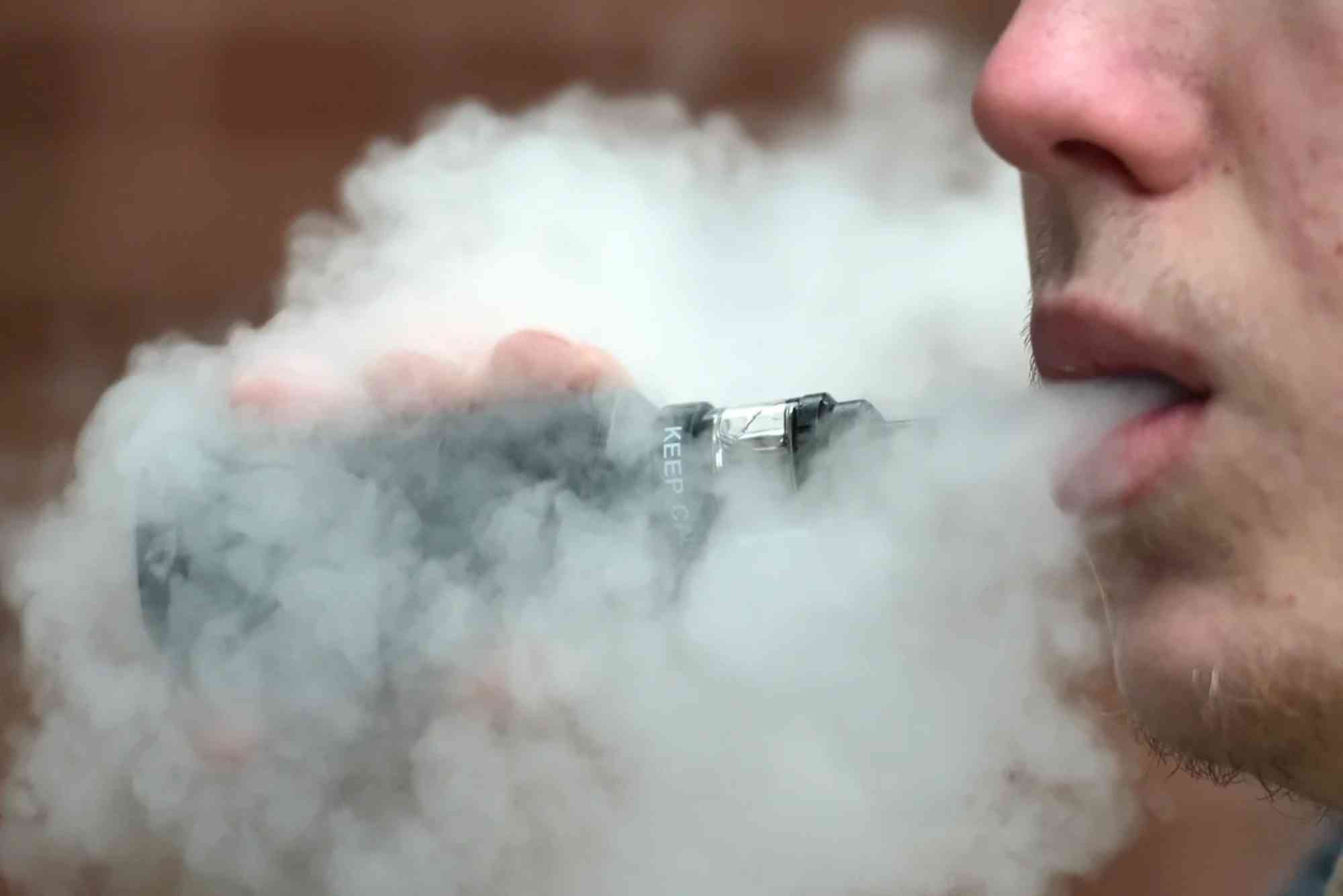
Even though vaping is often marketed as a safer alternative to cigarettes, inhaling vaporized chemicals can still irritate the lungs. Certain vape liquids contain flavorings that, when heated, may produce harmful compounds. People concerned about lung health might be fine with occasional vaping but not with heavy, daily use or high-powered devices that produce large clouds.
Nicotine Dependence
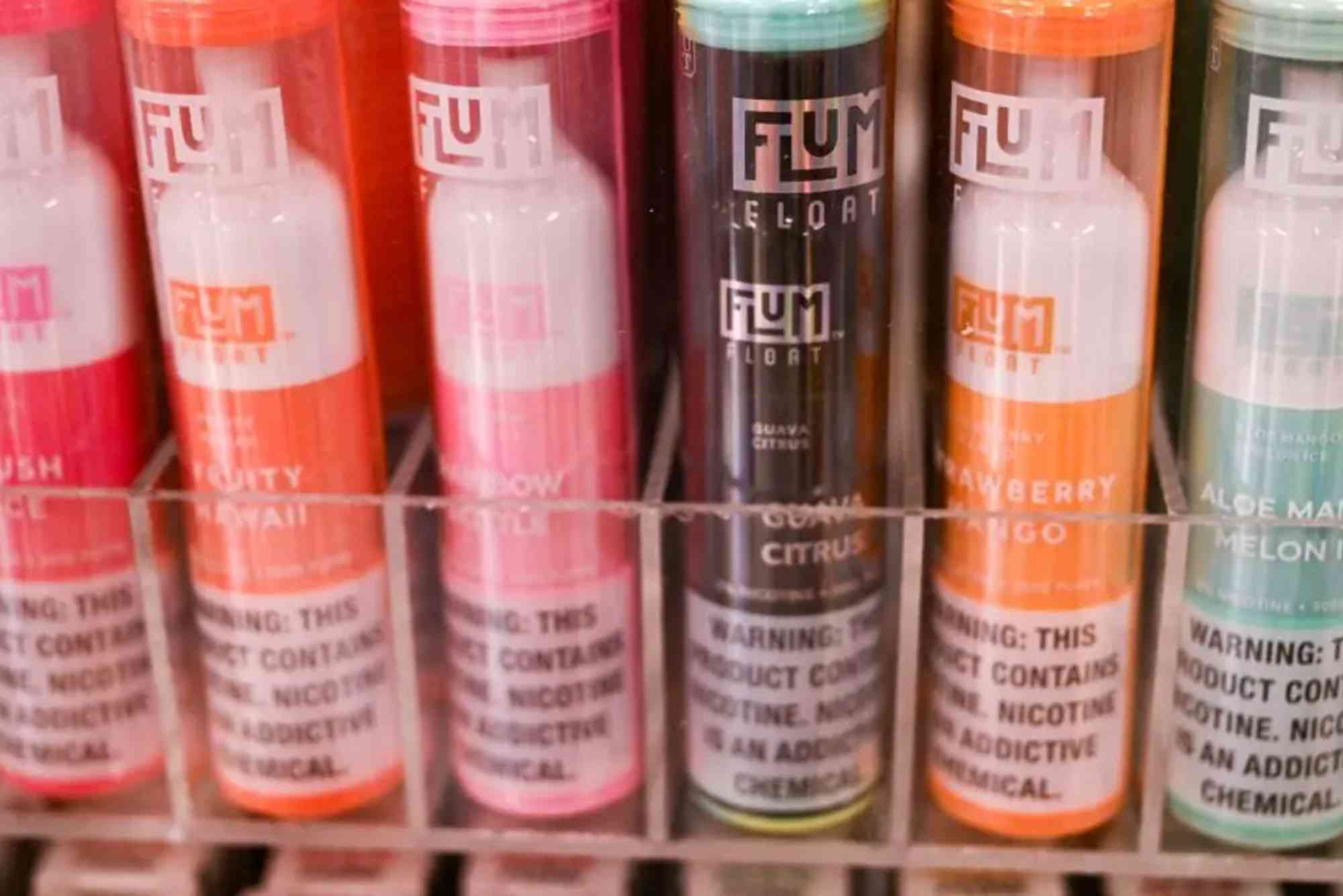
Nicotine is addictive regardless of whether it comes from cigarettes or vape juice. Someone might be fine with low-nicotine or nicotine-free vaping but concerned when it’s high-nicotine e-liquids that increase addiction risk. This conditional acceptance often reflects a desire to minimize dependency.
Chemical Exposure
The quality of vape juice matters greatly. Low-quality or unregulated products can contain heavy metals, contaminants, or synthetic additives. Many people who use the phrase “im fine with vaping but when it’s” draw the line at unsafe or unverified vape brands, especially after publicized cases of vaping-related lung injury.
Social and Environmental Considerations
The acceptance or rejection of vaping in certain contexts also comes from social and environmental awareness.
Vaping Around Non-Users
Secondhand exposure to vapor is less harmful than cigarette smoke but still not risk-free. Some people are fine with vaping in open outdoor spaces but against it in restaurants, offices, or public transport where non-users may be exposed.
Influence on Youth
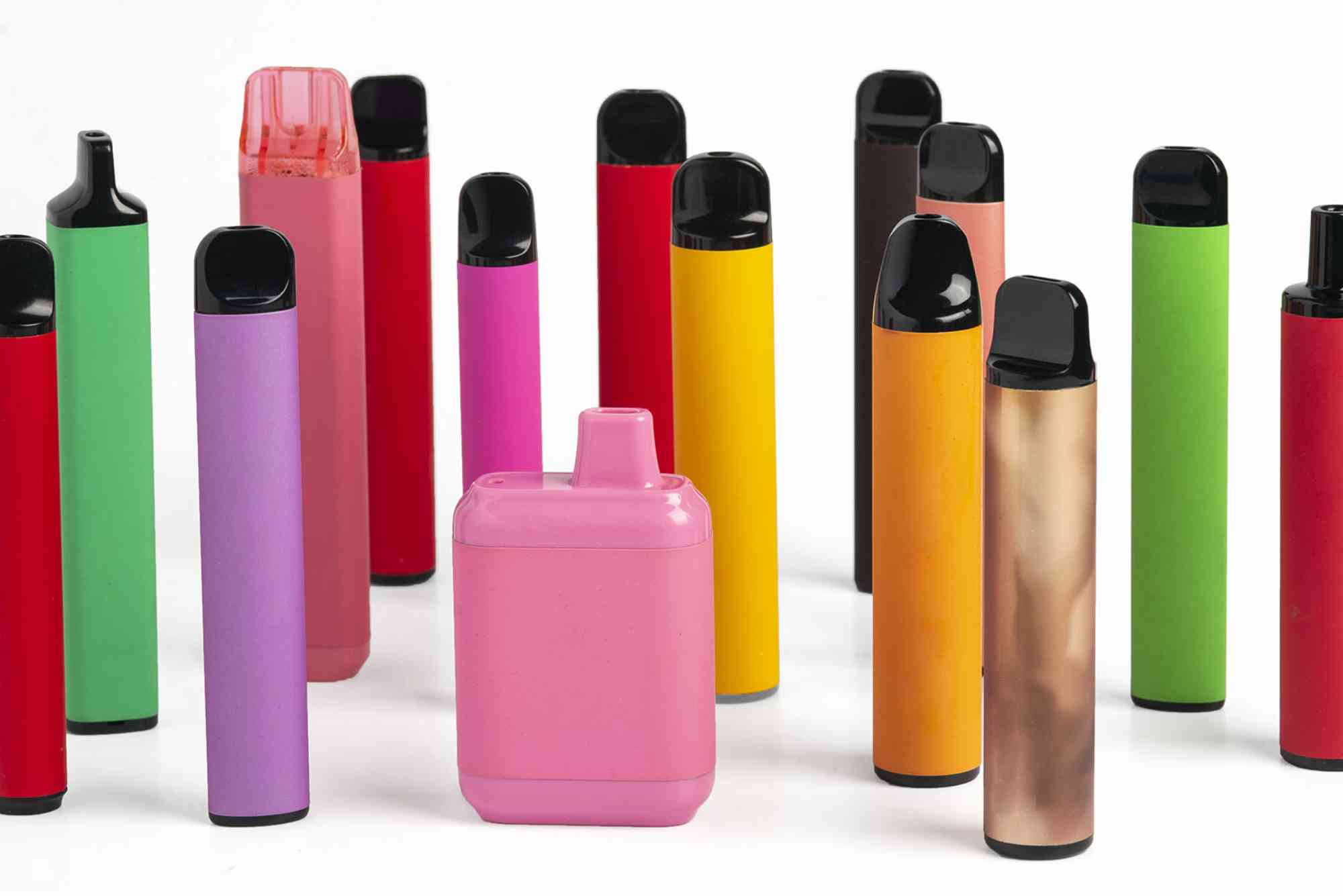
Many adults express concern when vaping is normalized in front of teenagers or children. The fear is that seeing vaping may encourage younger people to start, even if they do not smoke. This aligns with public health campaigns that warn about the rise of vaping among high school students.
Public Perception and Courtesy
Vaping etiquette is becoming an important topic. Even when legal, vaping in certain places can be seen as disrespectful. A person might be fine with vaping in designated areas but uncomfortable when it’s done in crowded, enclosed, or inappropriate spaces.
The Role of Regulation and Safety Standards
Government regulations often reflect the same conditional thinking expressed in the phrase “im fine with vaping but when it’s.” Many countries and states allow vaping but impose restrictions on:
- Where vaping is permitted
- The sale of flavored products
- Nicotine concentration levels
- Marketing targeted toward minors
These rules aim to reduce health risks while still allowing adults to make personal choices. Awareness of these laws helps individuals set their own boundaries regarding vaping.
Harm Reduction and Informed Choices
For those who accept vaping in certain conditions, harm reduction is a central principle. Harm reduction does not mean vaping is harmless — it means reducing risks as much as possible. Examples include choosing regulated products, avoiding risky modifications to devices, and limiting frequency of use.
Understanding the potential risks and benefits of vaping helps users and non-users navigate social situations without judgment. It allows for personal freedom while maintaining respect for health and safety.
Scientific Research and Health Guidance
Scientific studies continue to explore vaping’s long-term effects. Current evidence suggests vaping is likely less harmful than smoking combustible tobacco but is not risk-free. Experts recommend:
- Using vape products only from reputable sources
- Avoiding use among non-smokers, especially youth
- Limiting nicotine intake
- Monitoring for any respiratory changes
By following these recommendations, individuals who say “im fine with vaping but when it’s” can align their boundaries with evidence-based health practices.
Practical Scenarios of Conditional Vaping Acceptance
Workplace Settings
A person might be fine with vaping outside during breaks but against indoor vaping in shared spaces due to odor, visibility, and potential irritation for co-workers.
Social Gatherings
Someone could accept vaping among consenting adults at a party but object when it’s done near food or in front of children.
Product Safety
An individual might use nicotine-free, flavor-only vapes but avoid any product with unknown ingredients or questionable safety certifications.
These scenarios highlight that the phrase represents thoughtful boundaries rather than blanket approval or disapproval.
How This Mindset Shapes the Vaping Conversation
By recognizing the conditions under which vaping is acceptable, individuals can engage in healthier, more productive discussions about public health, personal choice, and community respect. It also supports the development of balanced laws and policies that protect vulnerable populations without completely removing adult freedoms.
A Balanced Approach to Vaping Health
The phrase “Im Fine With Vaping But When Its ” captures a balanced, responsible approach to a complex health topic. It shows that many people recognize both the potential benefits and risks of vaping, and they set personal boundaries accordingly. By understanding these boundaries — whether related to health, safety, or social context — we can encourage more respectful and informed vaping practices.
Frequently Asked Questions
Is vaping really safer than smoking?
Vaping typically exposes users to fewer toxic chemicals than smoking, but it is not without risks. Long-term effects are still being studied.
Can secondhand vape exposure harm non-users?
While less harmful than cigarette smoke, secondhand vapor can still contain nicotine and other chemicals that may affect health.
What is the safest way to vape?
The safest approach is to avoid vaping altogether. However, if you choose to vape, use regulated devices, avoid high nicotine, and buy from trusted sources.
Why do some people oppose flavored vape juice?
Flavored vape products are seen as appealing to youth, increasing the risk of nicotine addiction among minors.
Can vaping help people quit smoking?
Some people use vaping as a smoking cessation tool, but results vary. It should be part of a broader quit plan under medical guidance.