Understanding Illinois Vaping Laws 2018 and Its Impact on Vaping Health
Vaping has become a mainstream alternative to traditional smoking, especially among young adults. As the popularity of e-cigarettes and vape pens surged, so did public concern. In response, many states introduced legislation aimed at controlling the use of these products. Among them, Illinois stood out in 2018 with specific regulations targeting vaping behavior, access, and advertising.
Understanding Illinois vaping laws 2018 is essential not just for compliance, but also for assessing how these laws impacted public health, especially for youth and non-smokers. This blog breaks down the legislation, its effects, and what it meant for the vaping community.
What Did Illinois Vaping Laws in 2018 Cover?
In 2018, Illinois implemented multiple changes to its laws to address the growing use of vape products. While federal regulations were evolving slowly, Illinois took proactive steps to protect minors and regulate the industry.
Age Restrictions and Vaping Product Access
One of the most significant elements of Illinois vaping laws 2018 was the reinforcement of age-related restrictions. The law made it illegal to sell or distribute vaping products to anyone under 18. Retailers were also required to check identification before completing a sale.
Moreover, schools and educational institutions were given the authority to prohibit vaping devices entirely. This targeted the increasing trend of underage vaping in high schools and middle schools across the state.
Labeling and Packaging Requirements
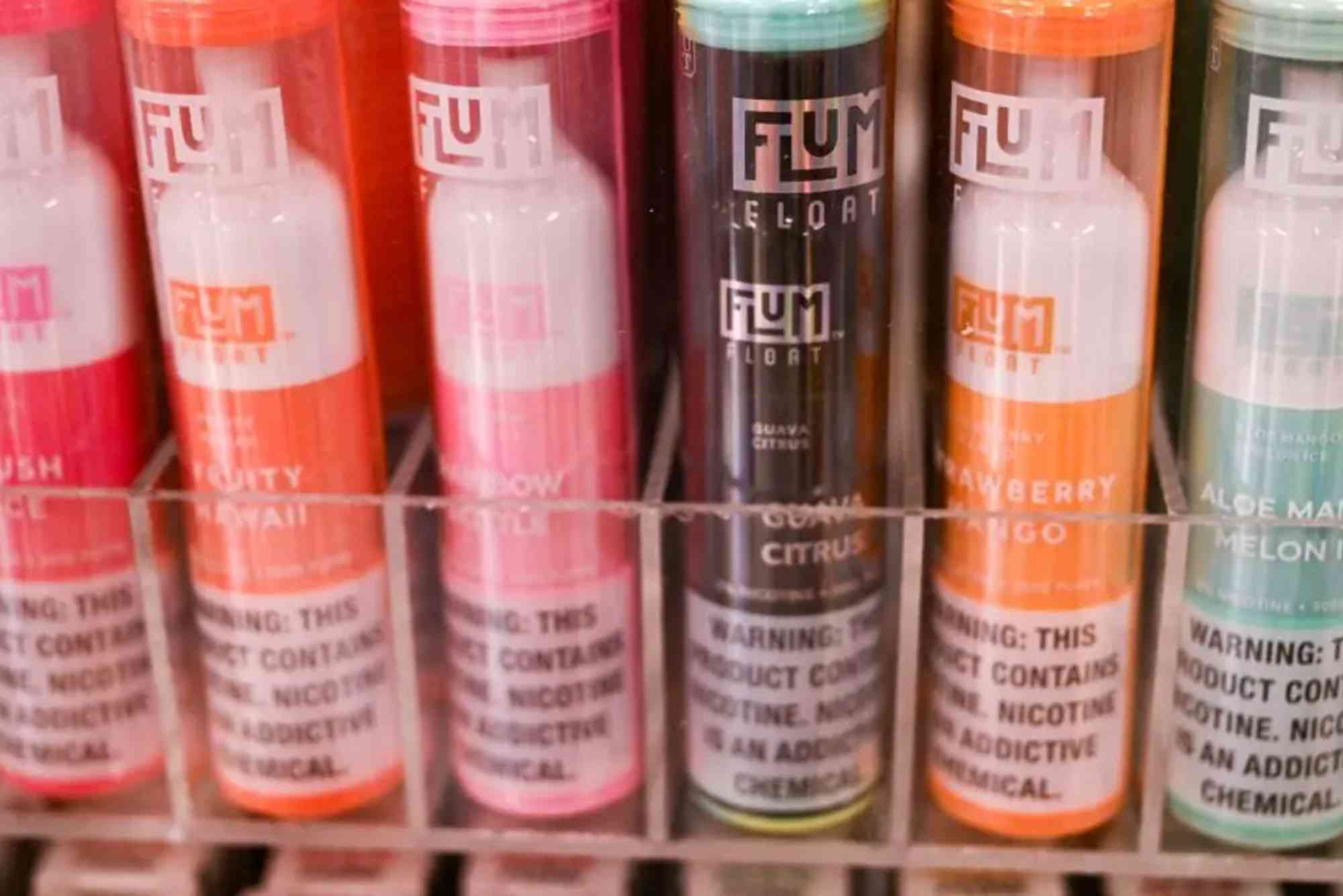
To ensure consumer safety, Illinois adopted strict packaging guidelines. Vape liquids and e-juices had to be sold in child-resistant containers. The law aimed to prevent accidental ingestion, which was a growing concern, particularly among young children mistaking e-liquid for candy or juice.
Additionally, product labeling had to include a list of ingredients and warning labels. Manufacturers were prohibited from making misleading health claims or marketing the products as “safe alternatives” to smoking without proper FDA approval.
Restrictions on Indoor Vaping
While not as comprehensive as the Clean Indoor Air Act, Illinois did extend certain smoking bans to include vaping in public indoor spaces. Under 2018 laws, municipalities could ban vaping in restaurants, offices, and transit stations, depending on local ordinances. This gave cities the ability to tailor regulations to their community’s needs.
Taxation and Vape Product Sales
Although Illinois didn’t impose a specific state-level tax on vape products in 2018, the legal groundwork for future taxation was laid. Retailers had to register their vaping sales and comply with tracking requirements. These steps were meant to prepare for eventual vape product taxation, which came in later years.
How These Laws Affected Vaping Behavior and Health in Illinois
Illinois’ 2018 vaping laws had a mixed impact. On one hand, they helped slow down the rampant growth of underage vaping. On the other, adult users felt restricted and confused by varying local ordinances.
Decline in Teen Vaping Growth Rate
The most notable health impact was among teenagers. The legislation created barriers that made it harder for youth to purchase e-cigarettes. Educational campaigns in schools combined with these laws helped reduce the sharp rise of vaping among minors, though challenges remained.
Increased Awareness of Vaping Risks
Another positive outcome was increased public education. As labeling and packaging laws took effect, more users became aware of what was inside their vape liquids. This transparency helped some users make better health decisions.
Confusion Due to Local Laws
However, some residents faced confusion due to inconsistent regulations across municipalities. For instance, one city may have allowed indoor vaping in bars, while a neighboring city had strict bans. This lack of uniformity made compliance more difficult for businesses and consumers alike.
Why Illinois Took Action in 2018
In 2018, reports from the Centers for Disease Control and Prevention (CDC) showed a sharp rise in teen vaping across the U.S. Illinois was no exception. E-cigarettes were becoming more accessible and heavily marketed toward youth through flavored options and social media ads.
The Illinois General Assembly responded by passing measures that aimed to curb youth access, protect public health, and regulate the emerging industry. While some criticized the laws for being too lenient or lacking teeth, they laid the groundwork for future, more comprehensive legislation.
Vaping Industry’s Response to 2018 Laws
Vape retailers and manufacturers had mixed reactions. Some smaller vape shops welcomed the regulation, as it helped establish industry credibility. Others, particularly those selling flavored or high-nicotine products, expressed concern over potential loss of business.
Manufacturers also had to update their labeling, packaging, and marketing materials to meet the new requirements. While this added to operational costs, it also improved product quality and transparency in many cases.
Long-Term Impact on Vaping Health in Illinois
Although it’s difficult to measure long-term effects just a few years out, early indicators suggest that Illinois’ efforts in 2018 contributed to:
- Increased regulation of nicotine levels
- Safer packaging and handling of vape liquids
- More informed users due to transparent labeling
- Decline in underage vaping access
Still, the health community argues that more research is needed to fully understand the physiological impacts of vaping over time. The 2018 laws addressed access and safety but not necessarily the health risks of long-term use.
FAQs
What age could you vape in Illinois in 2018?
In 2018, the legal age to purchase or use vaping products in Illinois was 18. However, this was later raised to 21 in subsequent legislation.
Were flavored vapes banned in Illinois in 2018?
No, flavored vapes were not banned statewide in 2018. However, certain local governments took steps to restrict flavored products due to their appeal to minors.
Was it legal to vape indoors in Illinois in 2018?
Indoor vaping was regulated on a local level. Some cities banned it in public places, while others allowed it in designated areas.
Did Illinois tax vape products in 2018?
Illinois did not have a dedicated vape tax in 2018 but implemented foundational regulations to prepare for future taxation.
How did Illinois vaping laws 2018 affect health?
These laws helped limit youth access to vaping products and improved public awareness of health risks through better labeling and packaging standards.
Illinois took a firm step forward in 2018 by introducing sensible, proactive vaping laws aimed at protecting public health. While the impact wasn’t revolutionary, it was foundational. By limiting youth access, enforcing proper labeling, and empowering local governments to act, Illinois began to shape a safer and more accountable vaping environment.