Introduction
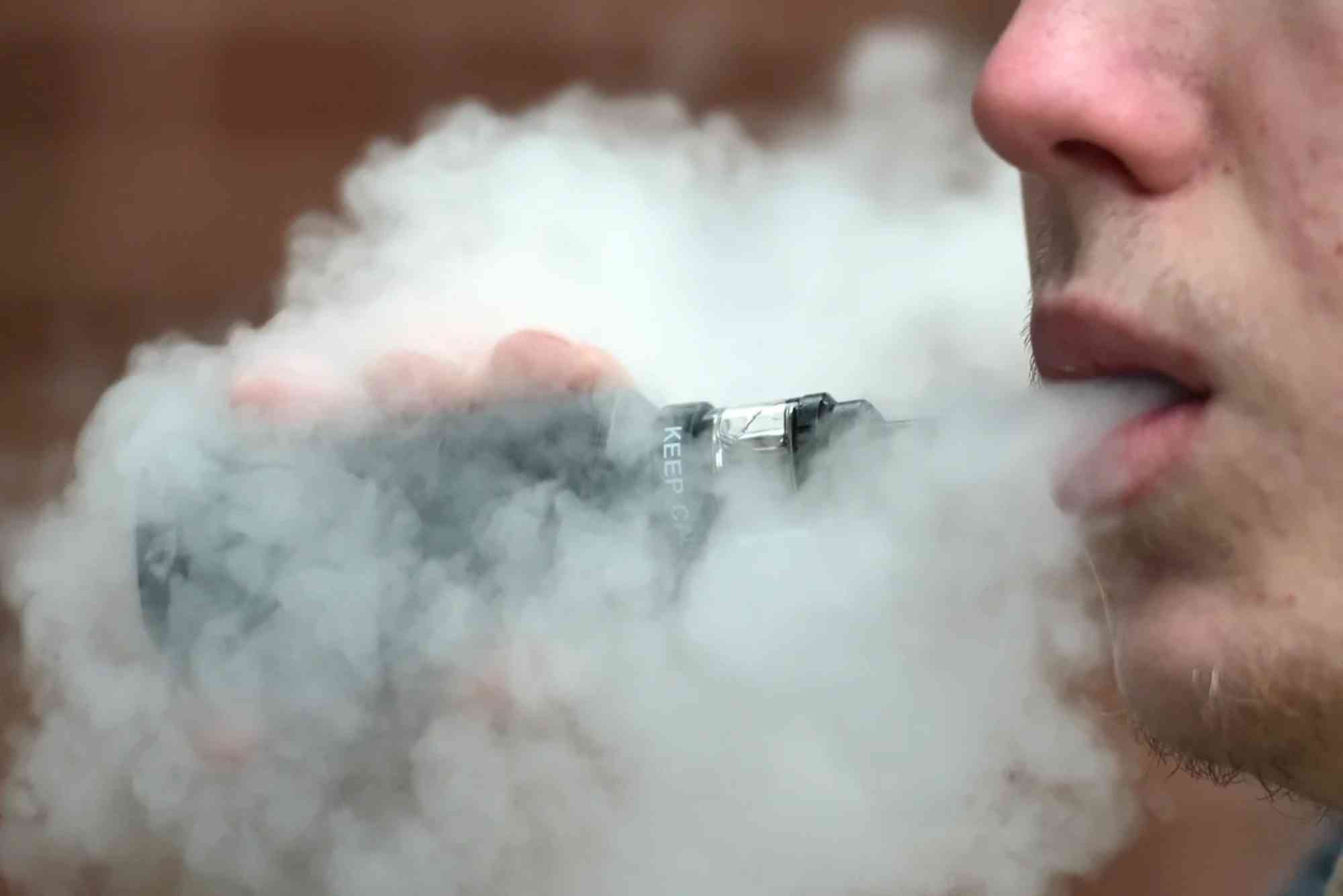
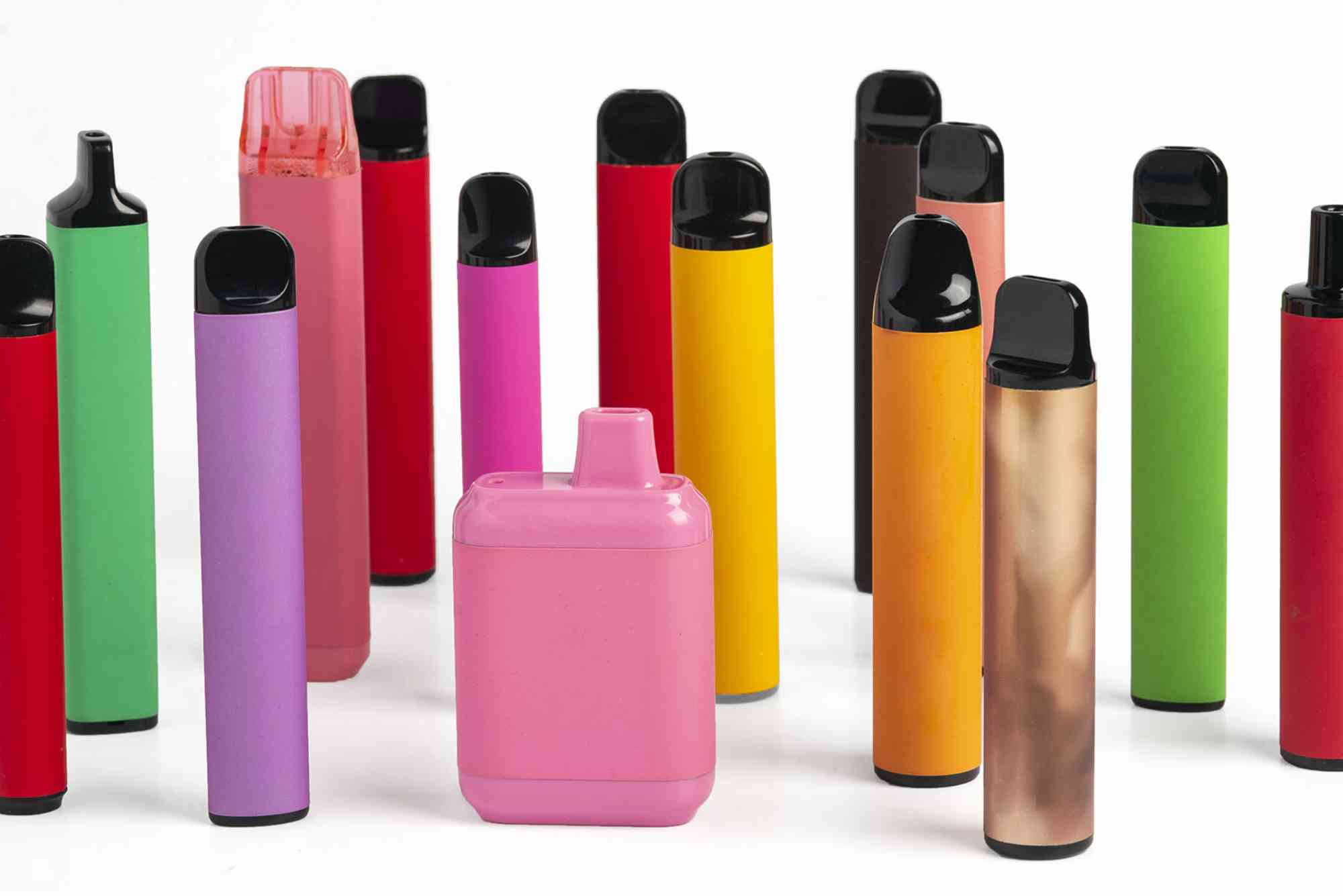
Vaping has become a popular alternative to smoking in the UK, offering a potentially safer way for adults to consume nicotine. The rise of e-cigarettes and vaping devices has brought attention not only to personal health choices but also to public health policies. Among these policies, the UK’s public vaping laws play a critical role in supporting harm reduction strategies. Understanding these laws helps vapers and non-vapers alike navigate public spaces safely while encouraging smokers to transition to less harmful alternatives.
Understanding Vaping in Public Laws in the UK
The UK has one of the most progressive approaches to vaping regulation worldwide. While vaping is legal for adults, there are clear guidelines for where it can and cannot be used. These laws are designed to protect non-smokers from unnecessary exposure while providing smokers a pathway toward harm reduction.
Restrictions in Enclosed Public Spaces
Vaping is generally prohibited in enclosed public areas such as restaurants, workplaces, hospitals, and public transport. The main rationale is to prevent exposure to vapor in confined spaces. This approach mirrors no-smoking policies and creates clear boundaries between smokers, vapers, and non-smokers. By limiting vaping in these areas, the government ensures that public spaces remain safe while still allowing adults to use e-cigarettes responsibly.
Guidance for Outdoor Public Areas
In outdoor settings, vaping is largely unrestricted unless signage or specific regulations apply. Parks, pedestrian streets, and outdoor seating areas often welcome responsible vaping. This flexibility encourages smokers to switch to vaping without feeling overly restricted. The GOV.UK — public vaping guidance and no-smoking areas provides detailed advice on best practices, helping users respect others while reducing harm.
Protecting Youth and Non-Smokers
UK laws also focus on preventing youth access to vaping products. Selling e-cigarettes to anyone under 18 is illegal, and marketing restrictions ensure that vaping products are not appealing to children. These measures support harm reduction by preventing the initiation of nicotine use among young people while offering safer alternatives for adult smokers.
How Public Vaping Laws Promote Harm Reduction
Harm reduction is a public health strategy aimed at minimizing the negative consequences of a behavior rather than eliminating the behavior itself. In vaping, this means providing safer alternatives to combustible tobacco. Public vaping laws support harm reduction in several key ways.
Encouraging Smokers to Switch
By distinguishing vaping from smoking in public spaces, UK laws make e-cigarettes a socially acceptable alternative. Smokers who see vaping as more convenient and less intrusive may be more likely to switch completely from cigarettes. This switch significantly reduces exposure to harmful chemicals and toxins found in tobacco smoke.
Reducing Secondhand Exposure
Although vaping is less harmful than smoking, exposure to vapor is still a concern. Public vaping laws protect non-smokers, especially vulnerable populations like children and pregnant women, from accidental exposure. These restrictions reduce health risks and contribute to a safer public environment while still allowing adults to vape responsibly.
Promoting Responsible Vaping Behavior
Clear public vaping guidelines encourage users to think about where and when it is appropriate to vape. This responsibility fosters a culture of awareness, ensuring that harm reduction is not just about personal choice but also about protecting the community. Guidance from GOV.UK helps users follow these best practices consistently.
Supporting Public Health Goals
UK vaping laws complement broader public health strategies. By providing safe avenues for nicotine use, reducing smoking rates, and protecting non-smokers, these policies contribute to long-term health outcomes. Vaping becomes part of a harm reduction ecosystem, not a source of new health risks.
Real-World Impact of UK Vaping Laws
Studies in the UK show that adults who switch from smoking to vaping experience fewer respiratory issues and lower exposure to harmful chemicals. Public vaping laws enhance this benefit by ensuring a clear distinction between smoking and vaping behaviors. Adults feel supported in their transition, and non-smokers feel safe in public spaces.
Case Study: Smoke-Free Hospitals and Workplaces
Many hospitals and workplaces in the UK have implemented strict smoke-free policies while allowing designated vaping areas. Employees who switch to vaping report higher satisfaction and fewer nicotine cravings. At the same time, colleagues and visitors remain protected from secondhand smoke exposure.
Increasing Public Awareness
Government campaigns, combined with visible public vaping regulations, raise awareness about safer nicotine alternatives. People are more informed about harm reduction strategies and the benefits of switching from smoking to vaping. Over time, this contributes to a societal shift toward healthier habits.
UK public vaping laws are a crucial part of the country’s harm reduction strategy. They protect non-smokers, encourage responsible vaping, and provide smokers with a viable alternative to combustible tobacco. By clearly regulating where vaping is permitted, the UK balances public health priorities with personal freedom, fostering a safer and more informed society.
FAQs
Is vaping allowed indoors in the UK?
Vaping is generally prohibited indoors in workplaces, hospitals, restaurants, and public transport. Some private areas may allow it.
Can children use e-cigarettes in public?
No. Selling or providing e-cigarettes to anyone under 18 is illegal in the UK.
Are there outdoor vaping restrictions?
Vaping is mostly allowed outdoors unless specific signage or local policies prohibit it.
Does vaping in public harm non-smokers?
Exposure to vapor is far less harmful than tobacco smoke, but UK laws restrict vaping in certain areas to protect vulnerable populations.
Where can I find official UK guidance on vaping in public?
You can access detailed information and guidance at GOV.UK.