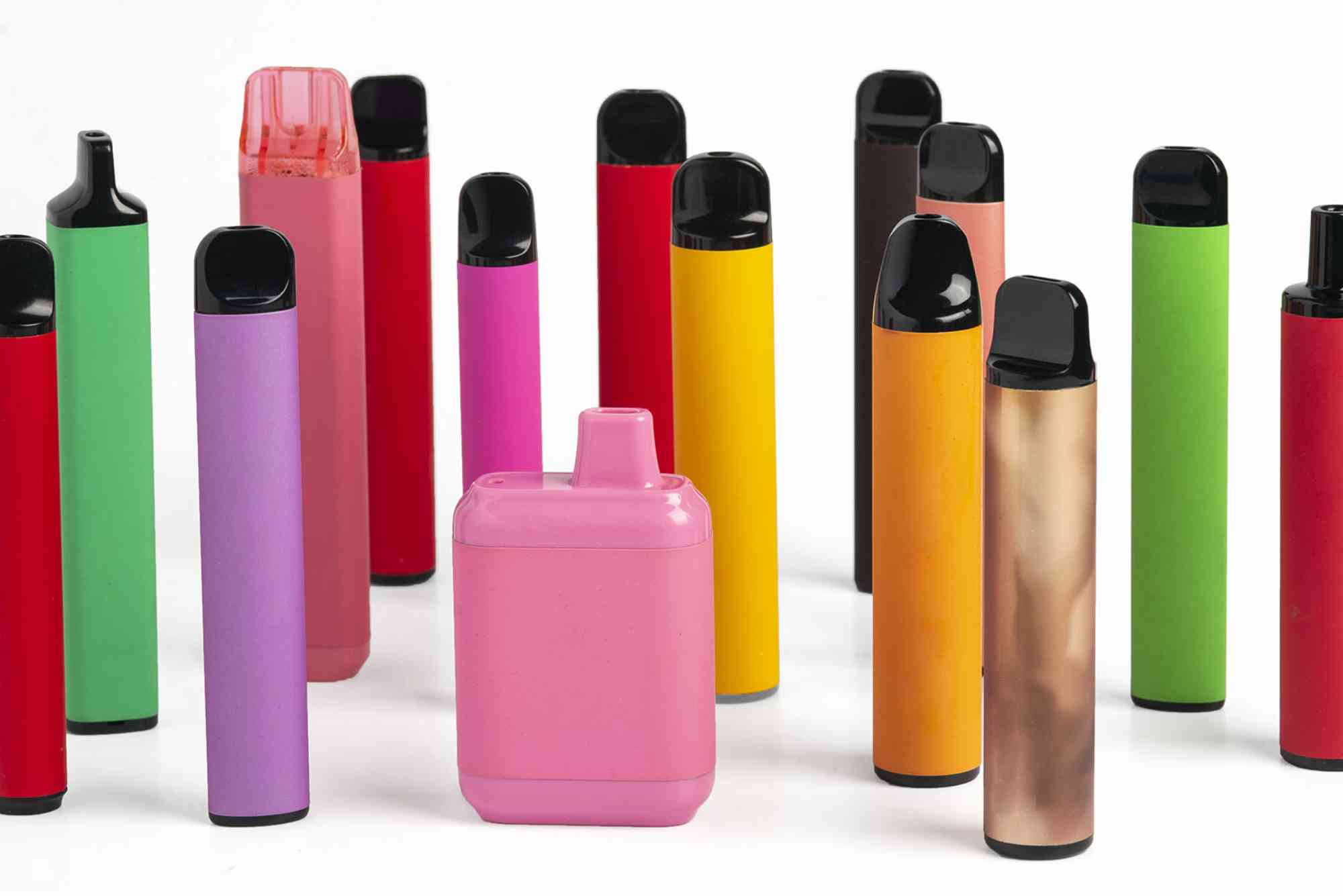
Introduction
Understanding how vaping and Ohm’s law supports harm reduction in vaping begins with basic science and safety. Many people turn to vaping thinking it is safer than smoking. Yet risks remain, especially when users don’t understand the electronics involved. Learning core principles like Ohm’s law helps users appreciate device behavior and prioritize safer use. This article explains that connection clearly and responsibly.
In conversations about smoking alternatives, vaping often arises. People ask how to make vaping less harmful. One part of that answer lies in understanding the device’s electrical basics. How vaping and Ohm’s law supports harm reduction in vaping is about knowledge—knowing what voltage, resistance, and current mean and why they matter for safer battery-powered devices.
By combining health perspectives with simple electronics, anyone can be better informed. This isn’t about encouraging vaping, but about reducing risk for those who already do it. We also link to an Electronics safety guidance & Ohm’s law primer to deepen your understanding.
What Is Harm Reduction in the Context of Vaping?
Harm reduction recognizes that some adults will continue to use nicotine products. The goal is to reduce associated health risks.
Harm Reduction Defined
Harm reduction focuses on minimizing negative outcomes for people engaging in risky behaviors.
Why It Matters for Vaping
Vaping devices involve batteries and heat. Misunderstanding these elements can lead to burns, battery failures, or inhalation of unwanted byproducts.
Basic Electronics: Ohm’s Law Explained
To see the link between vaping and safer use, you need a simple electronics concept.
What Is Ohm’s Law?
Ohm’s law describes the relationship between voltage (V), current (I), and resistance (R):
V = I × R
This formula tells you how electricity flows in a circuit. In battery-powered devices, this affects how much heat a coil produces.
Why Ohm’s Law Matters
When people understand Ohm’s law, they get why different parts of a device behave the way they do. This awareness reduces unintentional misuse.
How Ohm’s Law Relates to Vaping Devices
While not instructions for use, this section explains the underlying science.
Resistance and Heat
A coil’s resistance affects how much current flows through it. Lower resistance means more current and more heat. Higher resistance means less current and less heat.
Voltage and Power
Voltage from a battery pushes current through the coil. Power (heat) in the coil is:
P (power) = V × I
Understanding this can help users recognize why some devices get hotter than others.
Safety Considerations
Heat changes how materials behave. Excess heat can degrade wicking materials. This may produce unwanted byproducts. Knowing this can make users more cautious.
Device Safety: Why Knowledge Matters
Devices have limits. Batteries, wires, and connectors all have ratings. Ignoring them can be dangerous.
Battery Safety Basics
Batteries store energy. If pushed beyond limits, they can fail. This can cause overheating, swelling, or rupture.
Choosing Appropriate Components
Choosing parts that match each other helps maintain safe use. Awareness of resistance, voltage, and current is part of that.
Harm Reduction Practices Informed by Science
Understanding the science doesn’t mean telling anyone to vape. Instead, it enables better decision-making.
Recognizing Device Limits
If a coil gets excessively hot, it may be a sign that the resistance is too low for the battery. This awareness helps users avoid unsafe combinations.
Avoiding Extreme Conditions
Extremely high temperatures can break down materials. This can lead to harmful compounds. Awareness of electrical effects encourages moderation.
Health Perspectives on Vaping
Public health researchers emphasize that vaping is not free of risk. It is generally considered less harmful than smoking but still involves health concerns. Trusted organizations emphasize the importance of reducing use or quitting entirely where possible.
Integrating Electronics Safety Knowledge
An accessible way to learn basic electronics and safety is through general resources. For example, the Electronics safety guidance & Ohm’s law primer offers clear explanations of these principles and why they matter in battery-powered devices.
Real-World Impacts of Understanding the Basics
People with a strong grasp of electronic principles make safer choices with devices that involve heat and batteries.
Case Example: Reducing Misuse
A user who knows that low resistance can increase heat might avoid extreme settings. This can reduce the chance of overheating coils and inhaling degraded materials.
Case Example: Safer Battery Handling
Knowing that batteries have limits on current delivery encourages users to pick devices and batteries that match their experience level.
Understanding how vaping and Ohm’s law supports harm reduction in vaping isn’t about promoting any activity. It’s about empowering people with knowledge. Knowledge of electrical basics and device behavior contributes to safer handling of battery-powered devices. Awareness of limits helps reduce risk.
FAQs
What is Ohm’s law in simple terms?
Ohm’s law links voltage, current, and resistance. It explains how electricity moves through a circuit.
Does Ohm’s law make vaping safer?
Understanding Ohm’s law doesn’t make the act safer by itself. It helps users grasp how devices behave, which can reduce misuse.
Why do some coils heat up more than others?
Coils with lower resistance let more current flow, producing more heat. Knowing this can inform safer use decisions.
Can understanding electronics reduce health risks?
Knowing how devices work can help people avoid extreme conditions that may produce harmful byproducts. But the best harm reduction may be quitting nicotine entirely.
Is there a resource to learn more about Ohm’s law?
Yes, the Electronics safety guidance & Ohm’s law primer at electronics-tutorials.ws offers solid foundational knowledge.