Introduction
In recent years, the conversation surrounding vaping has evolved from being a trend to a serious public health topic. As traditional smoking continues to decline, vaping has emerged as a less harmful alternative for millions of adults worldwide. However, with this shift comes the urgent need for regulation — not to restrict access for responsible adults, but to ensure safety, quality, and transparency. This is where vape store laws play a crucial role in supporting harm reduction in vaping.
By setting clear standards for retailers, product labeling, and sales practices, vape store laws help protect consumers from low-quality or unsafe products. They also encourage informed decisions, reduce youth access, and ensure that vaping remains a legitimate harm reduction tool rather than a public health risk. Let’s explore how these laws contribute to safer vaping and long-term harm reduction goals.
Understanding Harm Reduction in Vaping
Harm reduction refers to strategies that aim to minimize the negative effects of risky behaviors — such as smoking — without necessarily eliminating them. In the context of nicotine use, vaping provides a way for smokers to get their nicotine fix without the tar and thousands of toxic chemicals found in traditional cigarettes.
According to multiple studies, e-cigarettes are estimated to be around 95% less harmful than smoking. This makes them a valuable tool in helping smokers quit or reduce their tobacco intake. However, this benefit is only realized when vape products are regulated, tested, and sold responsibly — which is why vape store laws are essential.
The Purpose of Vape Store Laws
Vape store laws exist to protect both consumers and the broader public. Their primary goals include ensuring product safety, preventing underage sales, maintaining transparency in marketing, and supporting responsible retail practices. In countries like the UK, regulations under the Trading Standards / Retail compliance guidance (example: UK) internal link provide clear expectations for retailers to comply with local and national vaping laws.
These laws don’t aim to discourage vaping altogether. Instead, they establish a structured framework that keeps vaping products available to adult users while minimizing the risks of misuse or exposure among minors.
How Vape Store Laws Support Harm Reduction
Ensuring Product Safety and Quality
One of the strongest arguments for vape store laws is the assurance of product safety. Poorly manufactured or counterfeit vape products can cause significant health risks, from toxic ingredients to malfunctioning devices. Regulations ensure that all products meet specific safety standards before they reach consumers.
Retailers are required to stock only certified products that comply with safety regulations — such as limits on nicotine strength, ingredient disclosure, and packaging requirements. This builds trust among consumers and ensures that harm reduction truly remains the focus.
Restricting Youth Access
Preventing minors from purchasing vape products is one of the most important aspects of retail regulation. Laws often require strict age verification, both online and in physical stores. This helps prevent early nicotine addiction and ensures that vaping remains a tool for adult smokers — not a gateway for teenagers.
Vape store laws support harm reduction by ensuring that vaping serves its intended purpose — replacing smoking — rather than introducing a new generation to nicotine use.
Transparent Labeling and Consumer Awareness
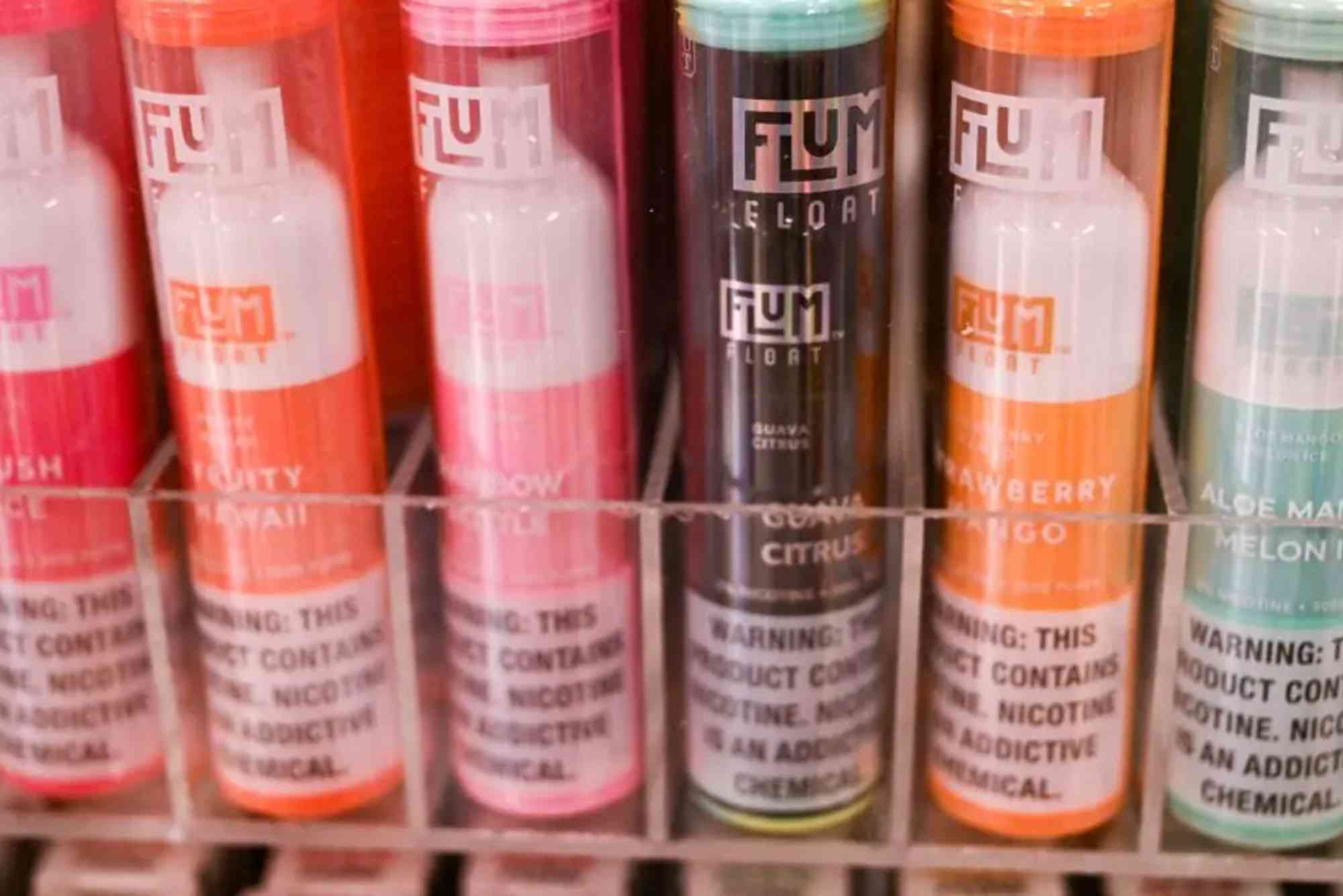
Transparency is key to informed decision-making. Vape store laws mandate clear labeling on ingredients, nicotine content, and potential risks. This helps consumers understand exactly what they are inhaling, empowering them to make safer and more informed choices.
Labels also include safety warnings, usage instructions, and manufacturing details. This transparency ensures that harm reduction through vaping is not compromised by misinformation or deceptive marketing.
Preventing Counterfeit and Illegal Products
Illegal vape products often bypass safety regulations, posing serious health risks. Vape store laws support harm reduction by cracking down on counterfeit sales and ensuring that only licensed vendors sell legitimate, tested products.
Retail compliance checks and enforcement by authorities — such as Trading Standards / Retail compliance guidance (example: UK) — help identify non-compliant retailers and remove harmful products from circulation. This process strengthens public trust and safeguards the integrity of the vaping market.
Regulating Nicotine Strength and Ingredients
Most jurisdictions limit nicotine concentration in vape liquids to prevent overconsumption and addiction. Additionally, ingredients that could pose harm — such as diacetyl or certain flavor chemicals — are restricted or banned.
These rules ensure that vaping remains less harmful than smoking by minimizing potential risks. The result is a safer, controlled environment for harm reduction, where consumers are protected from dangerous chemical exposure.
Supporting Public Health Campaigns
Vape store laws often work hand in hand with public health initiatives that educate smokers about switching to vaping. By promoting responsible marketing and discouraging misleading claims, regulators ensure that vaping is presented accurately as a harm reduction option, not a risk-free product.
This partnership between law and education helps smokers understand their choices better, increasing the success rate of smoking cessation efforts.
Monitoring Retail Practices and Compliance
Responsible vape store operations are crucial for sustaining harm reduction. Regulatory bodies regularly inspect stores, ensuring compliance with labeling, sales, and storage standards.
Retailers that follow these laws are more likely to gain consumer trust, while those that ignore them risk penalties and loss of license. This system ensures that only reputable vape stores remain active, maintaining safety and quality throughout the market.
Encouraging Responsible Marketing and Advertising
Misleading advertising can harm public health by exaggerating benefits or concealing risks. Vape store laws prohibit marketing that targets minors or suggests that vaping is completely risk-free.
By setting these boundaries, regulators help maintain an honest public perception of vaping. This responsible messaging reinforces harm reduction principles by encouraging adults to switch for health reasons, not for social trends.
Economic and Social Impact of Vape Store Laws
Beyond health benefits, vape store laws have broader social and economic effects. They foster a legitimate, transparent industry that provides jobs, generates tax revenue, and supports small businesses — all while maintaining public safety.
By setting clear rules, governments can balance innovation and responsibility. Vape stores operating under lawful conditions contribute positively to society, whereas unregulated markets lead to chaos, health risks, and loss of consumer confidence.
Harm reduction isn’t just about minimizing health risks — it’s also about creating a sustainable framework for safer consumption. Vape store laws do exactly that.
Challenges in Implementing Vape Store Laws
Despite their benefits, vape store laws face challenges. Rapid technological innovation in vaping devices can outpace legislation. Additionally, differences between regional or national regulations can confuse retailers and consumers alike.
Another issue is enforcing online sales laws. Many unauthorized sellers exploit loopholes, offering unregulated products to underage buyers. This highlights the need for ongoing policy updates, collaboration with online platforms, and public awareness campaigns.
Balancing accessibility with regulation remains a delicate act — but it’s essential for the future of harm reduction.
Global Examples of Vape Store Law Success
Countries like the UK and New Zealand have demonstrated how effective regulation supports harm reduction. The UK, for example, promotes vaping as a less harmful alternative while maintaining strict controls on product safety and marketing.
Through the guidance of agencies like Trading Standards / Retail compliance guidance (example: UK), the nation has successfully reduced smoking rates without encouraging youth vaping. Public Health England’s consistent message — that vaping is substantially less harmful than smoking — further supports this balanced approach.
These real-world examples prove that vape store laws, when properly implemented, can save lives by guiding smokers toward safer alternatives.
The Future of Vape Store Regulation and Harm Reduction
The future of vaping regulation lies in adaptive, evidence-based policymaking. As scientific research continues to reveal more about vaping’s long-term effects, laws must evolve to maintain safety and trust.
We can expect more emphasis on ape store laws Supports environmental sustainability (like proper disposal of vape devices), stricter online sales verification, and ongoing education for retailers. The goal is clear — to support harm reduction through responsible regulation, not prohibition.
A Safer Future Through Smart Regulation
Vape store laws are not barriers to access — they are bridges to safety and harm reduction. By promoting transparency, regulating sales, and ensuring product quality, these laws protect consumers while preserving vaping as a valuable tool for smokers seeking change.
The success of harm reduction depends on responsible policy, informed consumers, and compliant retailers. Together, they can transform the vaping industry into a safe, sustainable, and health-conscious community.
FAQs
Q1: How do vape store laws protect consumers?
They ensure all vape products meet safety standards, restrict youth access, and require accurate labeling to inform buyers.
Q2: Are vape store laws the same in every country?
No, regulations vary. The UK and EU have stricter standards compared to many countries, focusing on safety and harm reduction.
Q3: Why are age restrictions important in vape store laws?
Age restrictions prevent minors from developing nicotine dependence and ensure that vaping remains an adult smoking alternative.
Q4: Do vape store laws ban flavored e-liquids?
Not necessarily. Some countries restrict certain flavors to prevent youth appeal, while others allow them with strict labeling.
Q5: How can retailers stay compliant with vape laws?
By following official guidance such as Trading Standards / Retail compliance guidance (example: UK) and maintaining proper product verification and age checks.