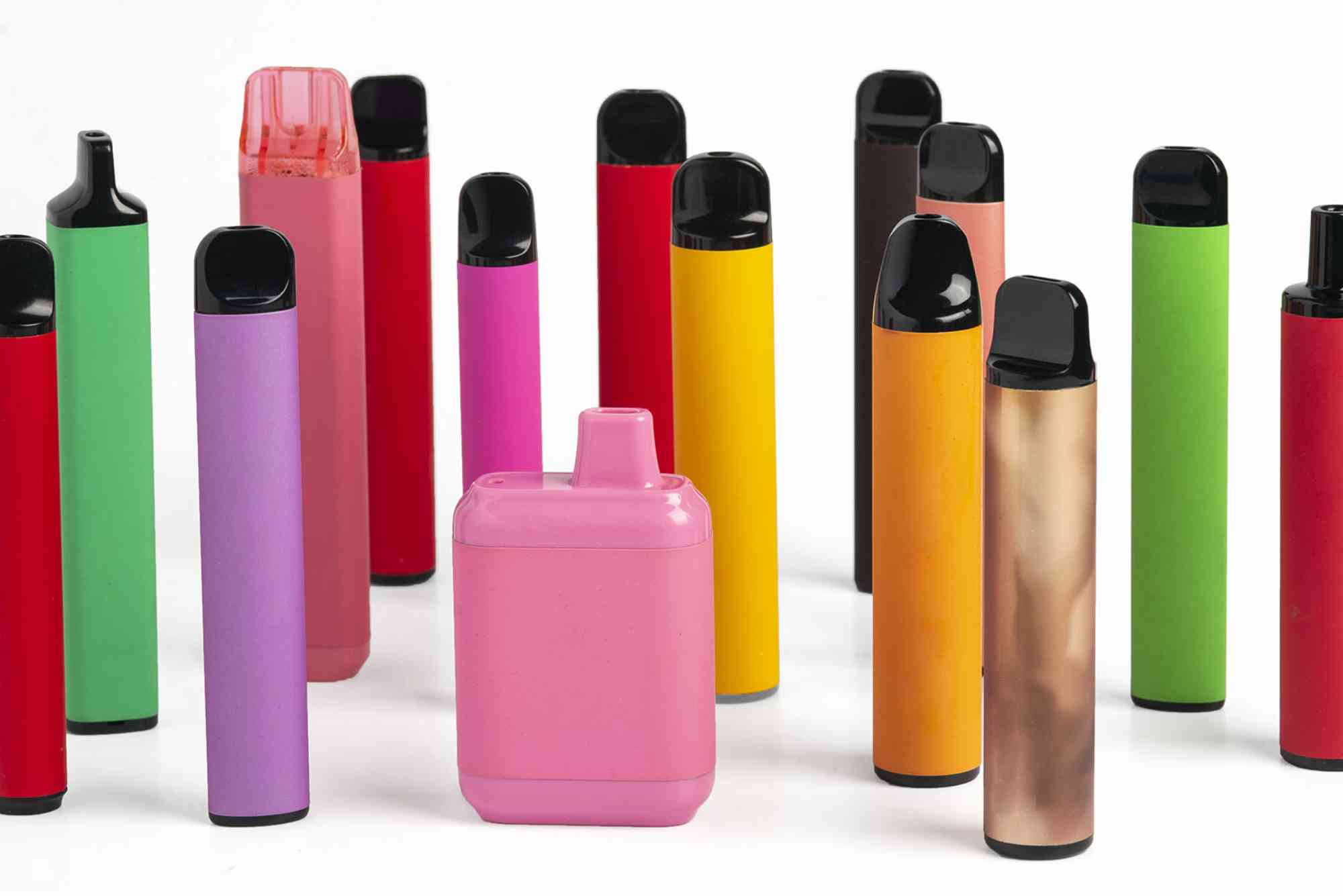
Introduction
Vaping rose as a harm reduction tool — offering smokers a less toxic alternative to cigarettes. But the new 2017 vaping laws turned what could have been progress into a regulatory burden. These laws misinterpret harm reduction and make vaping less accessible and less effective for people trying to quit smoking.
The promise of vaping as harm reduction
Vaping delivers nicotine without burning tobacco. Burnt tobacco produces thousands of harmful chemicals. Smokers switching to vaping drastically cut exposure to these toxins.
Vaping also allows gradual nicotine reduction. Users can lower their nicotine concentration over time — making cessation easier than cold turkey. Vaping mimics the ritual of smoking — the hand‑to‑mouth motion, the throat hit, the inhalation — which helps many smokers avoid relapse.
What the 2017 vaping laws changed
Restrictions on e‑liquid nicotine strength and container size
Many 2017 laws imposed strict caps on nicotine concentration and limited bottle size. For example, maximum nicotine strength could be capped at 20 mg/ml. Bottles over 10 or 15 ml were banned or heavily taxed.
These restrictions force vapers to buy many small bottles or buy weaker e‑liquids. That raises cost and inconvenience. Frequent users face difficulty keeping up supply.
Over‑regulation of vaping devices and marketing
The laws also imposed strong rules on device design, labeling, marketing, flavor promotion, and point‑of-sale advertising.
Some jurisdictions banned appealing flavors or attractive packaging. Marketing aimed at adults who smoke was treated with the same scrutiny as marketing to minors. Retailers hesitated to stock e‑cigarettes. Awareness among smokers dropped.
The impact on availability and accessibility
As a result, legitimate stores reduced e‑cigarette inventory. Some even exited the market. New smokers had little information or choices. Vaping became harder to access than cigarettes.
Under‑regulated black market products thrived. Some vapers turned to low‑quality or illicit e‑liquids, which pose safety risks.
Why these laws are “stupid” from a harm reduction view
They treat vaping like smoking rather than as a tool for quitting
Vaping is not smoking. It lacks combustion, many toxins, and tar. By regulating vaping exactly like tobacco, the laws ignore these differences. They punish an alternative that is far less harmful.
They raise the cost of switching
Cost matters. If vaping becomes more expensive and harder to access than cigarettes, smokers have little incentive to switch. Many smokers go back to smoking — exact opposite of harm reduction goals.
With small bottles and weak e‑liquids, heavy smokers pay more over time. That discourages switching.
They reduce product diversity and user satisfaction
Flavors, device options, and nicotine strengths matter. They help smokers find a satisfactory alternative. If laws ban flavors or limit device quality, vaping becomes bland. Smokers may reject it and return to cigarettes.
They drive users toward unregulated markets
When legal options are limited, some vapers turn to informal suppliers. These unregulated products lack quality control and may pose health risks. That undermines public health rather than protects it.
What the regulators missed in 2017
Lack of differentiation between combustion vs. vaporization
The root harm comes from burning tobacco — combustion produces toxins. Vaping eliminates combustion. The 2017 laws often ignored this distinction. Regulators treated both equally harmful. That shows lack of nuance and scientific grounding.
Failure to measure actual risk reduction
Regulators rarely considered real-world data comparing smokers who switch to vapers. They ignored studies showing reduced exposure to harmful chemicals. Instead, they focused on theoretical risks: nicotine addiction, gateway fears. That misplaces priorities.
No adaptation to adult smokers’ needs
Laws assumed that restricting everything helps public health. But adult smokers have different needs than non-smokers. They deserve access to alternatives that help them quit. By prioritizing prohibition over support, regulators sidelined adults who smoke.
What a harm‑reduction‑friendly vaping policy would look like
Reasonable nicotine limits and flexible container sizes
Instead of rigid caps, policies should allow a reasonable range of nicotine strengths — including higher strengths for heavy smokers. Larger bottle sizes reduce waste and cost.
Allow flavor diversity and transparent labeling
Different flavors help smokers find satisfying alternatives. Transparent labeling and child‑proof caps safeguard minors. Marketing should target adult smokers, not youth — but avoid complete bans.
Regulate quality rather than ban choice
Focus should be on manufacturing standards, purity, and safety — not on banning devices or restricting design. Encourage certified e‑liquids and secure supply.
Promote evidence‑based switching support
Regulators and public health agencies should treat vaping as a cessation tool. Provide information, support, and guidance for smokers. Compare health outcomes between continued smoking and switching to vaping.
Policy makers could draw on existing frameworks like the European Commission / TPD 2014–2017 implementation resources guidance during the Tobacco Products Directive (TPD) 2014–2017 implementation resources. These provide standards — not outright bans — and offer a more nuanced view.
The 2017 vaping laws often act like blunt instruments. Instead of encouraging smokers to switch — they make vaping harder, costlier, less satisfying. That undermines the core goal of harm reduction. When lawmakers treat vaping as fundamentally equivalent to smoking, smokers lose access to a valuable quitting tool.
True harm‑reduction success requires flexible nicotine limits, product variety, and policies that respect real-world smoking‑cessation needs. Regulators should shift from prohibition to regulation.
FAQs
Is vaping completely safe compared to smoking?
No. Vaping isn’t completely risk‑free. But it’s far safer than smoking, because it avoids combustion and tar.
Does restricting nicotine strength make vaping safer?
Not really. Lower strength may reduce addiction risk for non‑smokers, but for heavy smokers it forces more vaping or return to cigarettes. A harm‑reduction policy balances safety for youth with access for adult smokers.
Do flavor bans help prevent youth vaping?
They may reduce appeal for some youths — but they also remove appealing alternatives for adult smokers. Bans can backfire, pushing adult vapers to unregulated products or cigarettes.
Can vaping help me quit smoking entirely?
Yes. Many smokers successfully quit cigarettes by switching to vaping. With proper support and access, vaping can be an effective cessation tool.
Is it better to ban vaping altogether if we worry about youth?
No. Banning vaping punishes adult smokers seeking safer alternatives. Better to regulate responsibly — restrict access to minors and allow adult choice.