How Laws on Vaping in a Shop Supports Harm Reduction in Vaping
Vaping has become a common alternative to smoking worldwide. However, its rise brought challenges — especially concerns about youth use and product safety. That’s where how laws on vaping in a shop supports harm reduction in vaping comes into play. These laws are not just about restriction. They help shape responsible access, retail standards, and public health outcomes. In this article, we’ll explain how proper shop‑level regulation strengthens harm reduction goals while protecting communities.
Understanding these dynamics matters for policymakers, retailers, health advocates, and adult vapers alike. The right legal framework ensures vaping remains available to adult smokers looking to quit, but less appealing and less accessible to youth and non‑smokers.
What Is Harm Reduction in Vaping?
Defining Harm Reduction
Harm reduction refers to public health strategies designed to reduce the negative health effects associated with risky behavior — without necessarily eliminating the behavior altogether.
In vaping, harm reduction means:
- Helping smokers switch from combustible cigarettes to less harmful alternatives.
- Making nicotine delivery safer and better regulated.
- Reducing the risks of addiction among unintended users.
Vaping does not eliminate all risks, but evidence suggests it is substantially less harmful than traditional smoking. This makes harm reduction approaches important in nicotine policy.
Why Laws Matter at the Retail Level
Retail Compliance and Consumer Protection
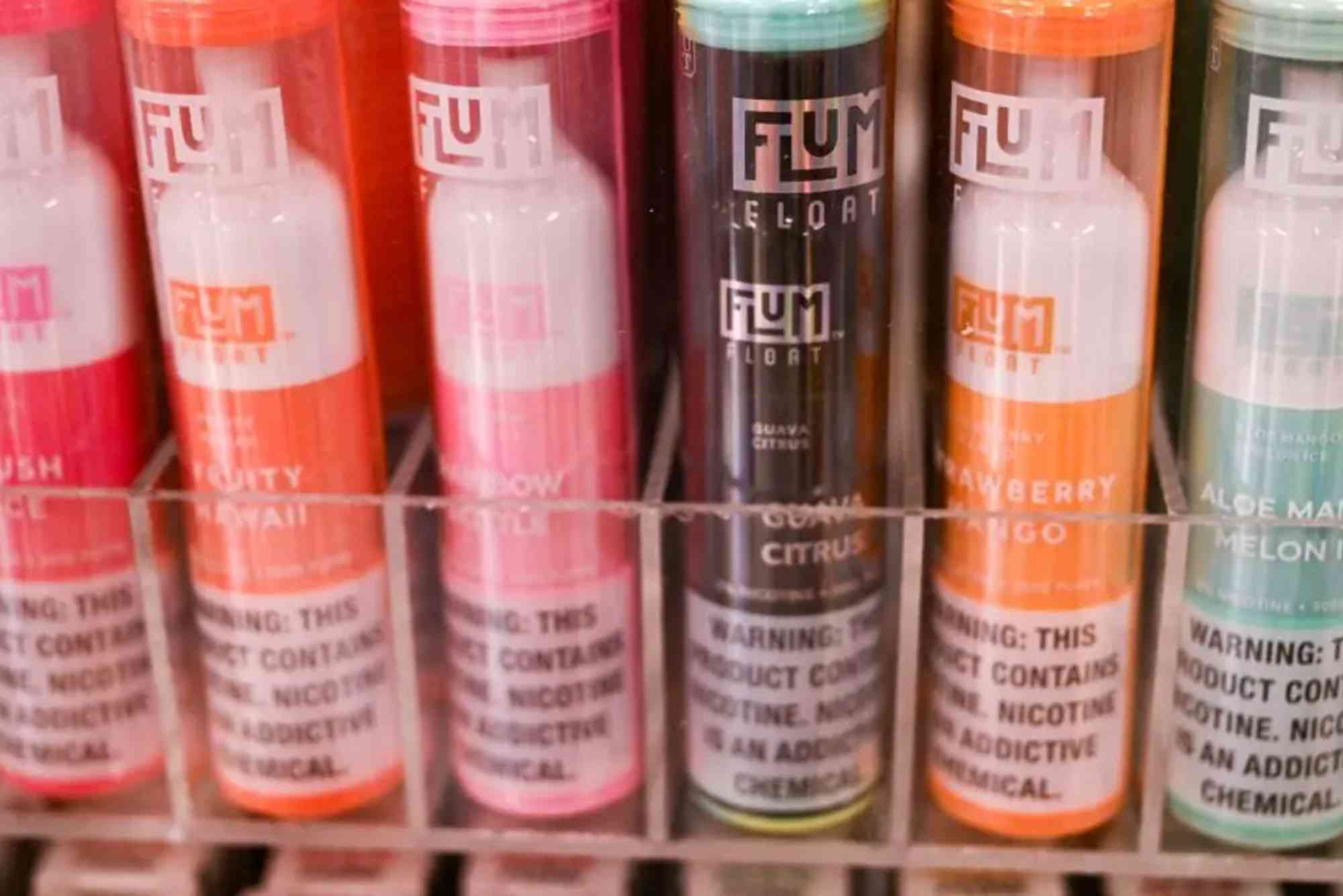
Retail laws governing vaping shops serve multiple purposes. First, they ensure shops comply with product standards, age verification, and licensing requirements. These rules reduce the likelihood of illegal sales and unsafe products reaching consumers. When shops adhere to clear standards, customers have confidence their products meet quality and safety norms.
Well‑structured retail laws also connect to broader compliance frameworks. For example, authorities often issue Retail compliance & licensing guidance (example: Trading Standards) to ensure shops meet regulatory expectations — promoting both legal accountability and safe product distribution.
Controlled Access and Age Verification
A core component of retail vaping laws is age verification. Laws commonly require vape shops to check identification and refuse sales to minors. This prevents youth access and discourages early nicotine initiation.
Age limits also underscore harm reduction by protecting developing brains and bodies. Limiting access for underage individuals reduces the likelihood of nicotine dependence in young populations.
Quality and Safety Standards
Laws often include product standards for e‑liquids and devices sold in shops. These may cover:
- Ingredient transparency
- Accurate nicotine labeling
- Battery and device safety features
- Child‑resistant packaging
These standards ensure consumers are not exposed to harmful contaminants or mislabeled products.
How Shop Laws Align With Harm Reduction Goals
Reducing Underage Vaping
One of the most effective harm reduction tactics is restricting youth access. Retail laws that enforce age limits and penalties for violations make it harder for minors to obtain vaping products.
When shops take their responsibility seriously, they create a culture of accountability. Storeowners and staff become the first line of defense against youth vaping. This approach aligns with public health goals that discourage nicotine use by adolescents.
Encouraging Adult Smokers to Switch
Adult smokers looking to quit are more likely to seek solutions in regulated vape shops where products and advice are reliable. Laws that support legal, licensed shops help maintain a legitimate market for adult smokers to transition safely. Unregulated markets carry risks of counterfeit or unsafe products, which could deter smokers from switching and drive them back to cigarettes.
Reducing Black Market Sales
Unregulated or illegal sales channels often offer lower‑quality products without age checks. They can also attract youth due to ease of access and lack of oversight. Proper retail laws reduce the black market by keeping legitimate shops compliant and unattractive to illegal sellers.
Examples of Effective Retail Vaping Laws
Strict Licensing and Merchant Rules
Countries and regions with strict retail licensing require vape shops to register and meet ongoing standards. This ensures only qualified vendors sell vaping products. These laws often involve routine inspections and penalties for non‑compliance, which promotes safe practices and accountability.
Banning Youth‑Targeted Marketing
Some jurisdictions ban vape advertising that appeals to young people. While implementing such bans can be complex, they serve to reinforce harm reduction by lowering the visibility of vaping to unintended audiences.
Restricting Flavours in Non‑Specialty Stores
Certain laws limit which flavours can be sold outside specialty vape shops. This reduces the appeal of vaping to young, first‑time users while maintaining safer products for adult consumers.
Common Misconceptions About Vape Laws and Harm Reduction
Laws Aim to Eliminate Vaping
Not all laws seek to ban vaping itself. Most focus on responsible access and harm reduction. Effective regulations make vaping safer and less appealing to youth without eliminating access for adults who rely on it to quit smoking.
All Regulations Reduce Harm Equally
Not all laws have the same impact. Overly restrictive rules — like broad bans without harm‑reduction frameworks — can push consumers into unregulated markets or back to smoking. Balanced laws emphasize safety, access control, and education.
Retailer Responsibilities in Harm Reduction
Staff Training and Consumer Advice
Vape shop staff play a role in public health. Trained personnel can provide accurate information about nicotine, device safety, and quitting strategies. When retailers engage responsibly with customers, it reinforces harm reduction principles beyond mere sales transactions. Research suggests that many shop staff already offer non‑medical advice on cutting down cigarettes, hinting at a positive role in cessation support.
Implementing Strong Age Verification
Every sale begins with knowing your customer’s age. Consistent ID checks deter youth purchases and uphold legal and ethical standards. When shops adopt strict verification, they protect young people and strengthen the legitimacy of the retail environment.
Participating in Local Compliance Efforts
Retailers can work with health departments, law enforcement, and public health advocates to ensure best practices. Strong partnerships help disseminate accurate information and build community trust in vaping regulations.
Challenges in Regulating Vaping Retail
Balancing Harm Reduction and Youth Protection
Some policies that aim to curb vaping can unintentionally reduce access for adult smokers. Policymakers must strike a careful balance: protect youth without discouraging adult smokers from switching.
Evolving Products and Black Market Risks
As laws target specific products — like disposable vapes — manufacturers and sellers may adapt, sometimes undermining regulatory intent. Dynamic markets require adaptable regulatory approaches that maintain harm reduction goals.
How laws on vaping in a shop supports harm reduction in vaping isn’t just a phrase — it’s a policy reality. By enforcing responsible retail standards, legal age limits, quality controls, and compliance guidance, these laws make vaping safer and less enticing to youth. They also encourage adult smokers to access regulated products that can help them quit traditional cigarettes — a core harm reduction goal.
If you’re a vape shop owner, employee, public health advocate, or policymaker, responsible retail practices are essential. Together, we can support frameworks that reduce harm while keeping communities safe.
Stay informed about local vaping laws and retail compliance. Support well‑balanced regulations that protect youth and empower adult smokers to make safer choices. Visit reputable sources for up‑to‑date guidance and best practices — and help shape harm reduction in vaping for the better.
Vaping laws vary worldwide, and in some places, it is illegal due to health risks and regulatory concerns. Restrictions often target minors, nicotine products, or flavored e-liquids. Understanding these rules is crucial for anyone interested in vaping to avoid fines or legal trouble. Learn more about the reasons and regulations behind vaping bans by visiting this informative guide: How & Why Vaping Is Illegal.
FAQ
What are the legal age restrictions for buying vaping products?
In many regions, laws prohibit selling vaping products to anyone under 18 or 21, depending on local regulations. This reduces youth access and aligns with harm reduction.
Can vape shops sell all types of vaping products?
Retail laws often limit what products shops can sell, especially flavour varieties or high‑nicotine products, to balance accessibility with youth protection.
Do vape shop laws reduce smoking rates?
Evidence suggests that regulated access to vaping products can help smokers transition away from cigarettes, contributing to overall public health improvement.
How do shop laws prevent underage vaping?
Retail laws mandate age verification and penalties for violations, discouraging unauthorized sales and reducing youth vaping prevalence.
What role do vape shop staff play in harm reduction?
Staff can provide information on product use, safety, and quitting strategies — reinforcing harm reduction beyond transactional purchases.
“Discover the ultimate vaping experience at Vapor Whirl! Explore a wide range of premium e-liquids, devices, and accessories designed for every vaper. Whether you’re a beginner or a seasoned enthusiast, Vapor Whirl offers top-quality products and expert guidance to enhance your journey. Visit our homepage to shop now and elevate your vaping lifestyle: “