Introduction
Understanding is it illegal to vape when driving has become increasingly important as vaping continues to grow in popularity. Many drivers assume that vaping behind the wheel is harmless because it does not involve lighting a flame or handling traditional tobacco. However, several states treat vaping similarly to smoking, especially when it leads to distracted driving or impaired road visibility. While vaping offers a harm reduction alternative to smoking, laws regulating its use while driving also aim to protect public safety. This blend of public health goals and injury prevention creates an interesting conversation around harm reduction, driver responsibility, and emerging technology.
In this detailed guide, you will learn how the question is it illegal to vape when driving connects directly to road safety and responsible harm reduction. You will also discover why lawmakers emphasize reduced distractions, how to vape safely, and what drivers must know to avoid legal penalties. This article also provides real Google “People Also Ask” questions to help you understand the topic fully.
Understanding Whether It Is Illegal to Vape When Driving
The answer to is it illegal to vape when driving depends heavily on your location. In many places, vaping while driving is not outright illegal. Instead, laws focus on how vaping affects driving behavior. Officers can issue citations if vaping causes you to lose control of the vehicle, obstructs your view, or leads to distracted driving. The core principle is that anything preventing you from operating a vehicle safely can be considered a traffic violation. This includes eating, drinking, grooming, and vaping.
Several states treat vaping similarly to smoking when children are in the car. In these areas, drivers may face penalties if they vape in a vehicle containing minors, even if the windows are down. These laws are not meant to punish harm reduction methods but to prevent exposure to aerosol particles among young passengers. Understanding local regulations helps drivers stay compliant while still benefiting from vaping as a safer nicotine alternative.
How Road Safety Laws Support Harm Reduction
The idea that vaping supports harm reduction is widely accepted among health researchers. Vaping eliminates combustion and reduces exposure to harmful chemicals found in cigarette smoke. However, road safety laws aim to prevent new risks that may arise when vaping occurs in a moving vehicle. This means laws are not against vaping itself but against unsafe behavior.
Reduced Distraction and Improved Focus
One of the biggest concerns is distraction. Large vapor clouds, adjusting wattage, or refilling a tank can easily divert attention from the road. Harm reduction only works when users adopt safe practices. By regulating certain behaviors while driving, authorities encourage people to vape responsibly. Road safety guidance from organizations like NHTSA provides valuable insights into distracted driving and risky in-car habits. Drivers can review NHTSA / road safety guidance on distracted driving & vaping to better understand the dangers of multitasking behind the wheel.
Supporting Clean Air in the Vehicle
Even though vapor is less harmful than cigarette smoke, closed spaces can trap aerosol particles. Children and passengers with respiratory issues may be more sensitive to vapor. Laws focused on children’s health align with broader harm reduction efforts by encouraging safer environments.
Promoting Safer Vaping Practices
Laws that regulate is it illegal to vape when driving also push users toward better vaping habits. Safe vaping does not require constant device adjustments. Sub-ohm devices and cloud-chasing styles produce thick vapor that may block vision. Encouraging smaller, low-vapor devices can reduce risk. This aligns harm reduction with safer driving behavior.
Why Thick Vapor Clouds Become a Driving Hazard
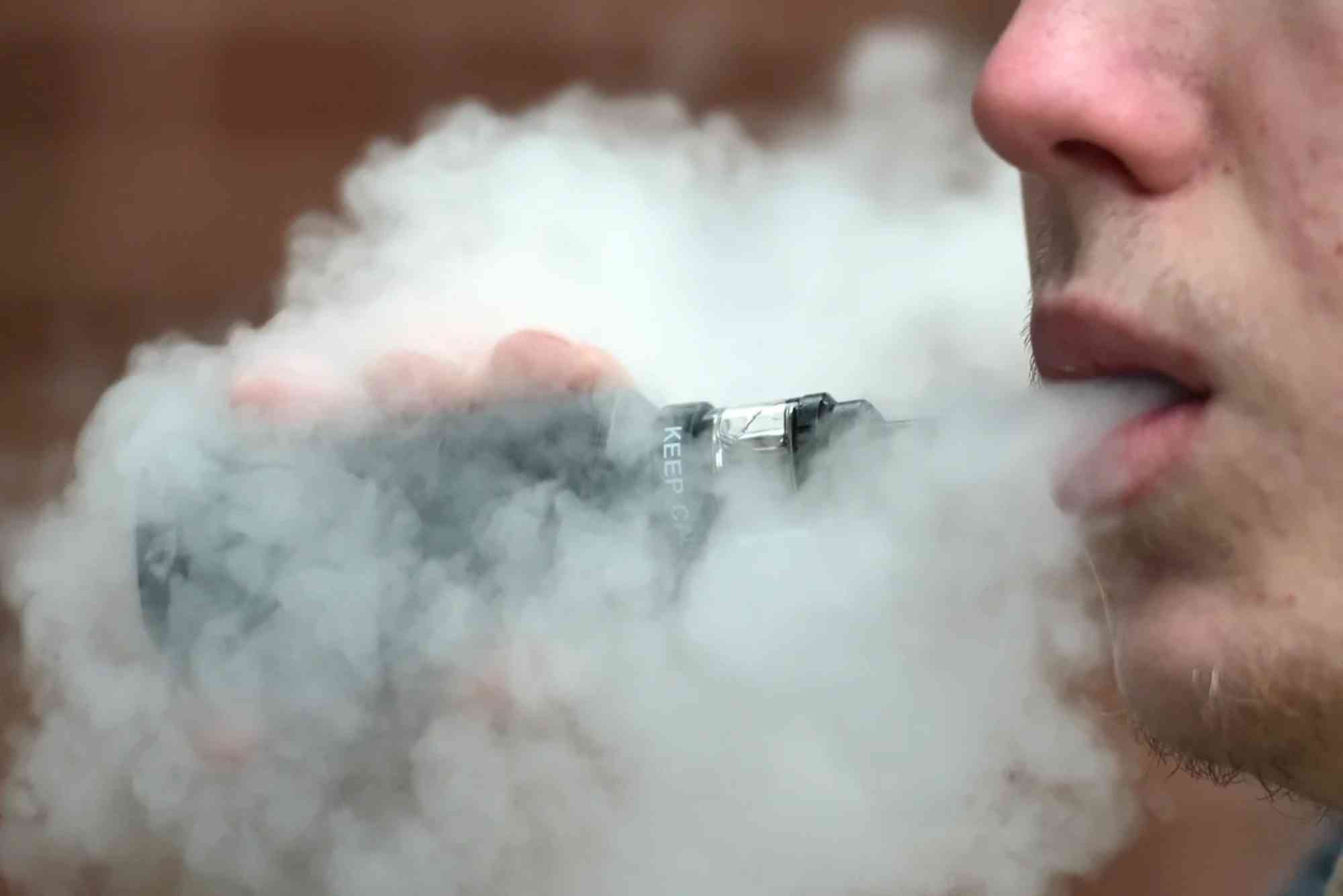
Vapor clouds may seem harmless, but they can be surprisingly obstructive. When someone takes a large puff, the cloud can linger in front of their face or across the dashboard. This reduces visibility, especially during nighttime driving or in sunlight glare. Drivers may instinctively wave the cloud away, adding another layer of distraction.
Thick vapor may also fog windows slightly, especially in humid or cold weather. Even if temporary, this interference can lead to dangerous split-second delays. Since one of the main goals of harm reduction is minimizing physical risks, adjusting vaping habits while driving becomes essential.
When Vaping While Driving Becomes Illegal
There are several situations in which vaping while driving becomes illegal or can result in penalties. These situations may vary by jurisdiction, but the following patterns are common.
Vaping Leads to Distracted Driving
If an officer observes you taking your eyes off the road to adjust your device, search for a vape in your console, refill a tank, or blow out large vapor clouds, you may be ticketed. Distracted driving laws apply to all actions that impair safe operation, not just vaping specifically.
Vaping With Minors in the Car
Several states consider vaping in the presence of children a punishable offense. These laws aim to protect minors from exposure to secondhand aerosol.
Obstructed View
If a large vapor cloud blocks your windshield or mirrors, an officer may issue a citation. Any obstruction that reduces visibility is considered hazardous.
Misuse of Cannabis Vape Devices
Even if nicotine vaping is allowed, using cannabis concentrates while driving is illegal in all states. Drivers may face DUI charges if caught vaping THC products.
Understanding these boundaries ensures that drivers avoid legal trouble and remain aligned with harm reduction principles.
How Vaping Can Be Practiced Safely While Driving
The good news is that it is entirely possible to vape responsibly in a car without compromising safety. These tips reflect real-world experiences and align well with harm reduction values.
Use Smaller Devices
Pod systems produce less vapor and require fewer adjustments. They allow for quick, discreet use without creating large clouds.
Keep Your Windows Slightly Open
Opening the window just a bit lets vapor escape and reduces buildup inside the car. This also prevents lingering fog-like effects on glass.
Avoid Adjusting Settings While Driving
Changing coils, rebuilding tanks, or modifying wattage should never happen in motion. Pull over if adjustments are necessary.
Don’t Cloud-Chase Behind the Wheel
Producing dense vapor clouds is best reserved for safe, stationary environments. This habit is enjoyable but not practical while driving.
Avoid Vaping in Front of Children
Whether or not local laws apply, protecting young passengers aligns with responsible harm reduction.
Harm Reduction Principles Behind Driving and Vaping Laws
At its core, harm reduction means reducing health risks without eliminating personal freedom. Vaping offers smokers a safer alternative, and most regulations aim to support that principle while preventing new dangers. Laws that influence is it illegal to vape when driving strike a balance between personal choice and public safety. Instead of prohibiting vaping entirely, authorities focus on risky behaviors that lead to accidents.
These laws encourage people to think carefully about when and where they vape. They also promote awareness of how devices function and how vapor behaves inside enclosed spaces. This educational aspect is central to effective harm reduction. When drivers understand the risks and adopt safer habits, both vaping and road safety benefit.
Understanding is it illegal to vape when driving helps drivers remain compliant with the law while protecting themselves and others on the road. Vaping remains a powerful harm reduction option for smokers, but it must be practiced responsibly in all situations. Road safety laws are not designed to punish vaping but to prevent distracted or impaired driving. By using smaller devices, avoiding cloud-chasing, opening windows, and keeping hands on the wheel, drivers can vape safely and legally.
Frequently Asked Questions
Can you get pulled over for vaping while driving?
Yes, if vaping causes distraction, obstructs your view, or leads to unsafe driving behavior, officers can pull you over.
Is it illegal to vape with a child in the car?
In several states, yes. Laws prohibit vaping or smoking in cars when minors are present to protect them from exposure.
Can vaping be considered distracted driving?
Absolutely. Any activity that diverts your attention from the road can be classified as distracted driving, including vaping.
Does vaping affect visibility while driving?
Yes. Thick vapor clouds can temporarily block your view or reflect sunlight, increasing the risk of accidents.
Is vaping while driving treated the same as smoking?
In some regions, especially where children are present, vaping and smoking are treated similarly to ensure passenger safety.