Introduction
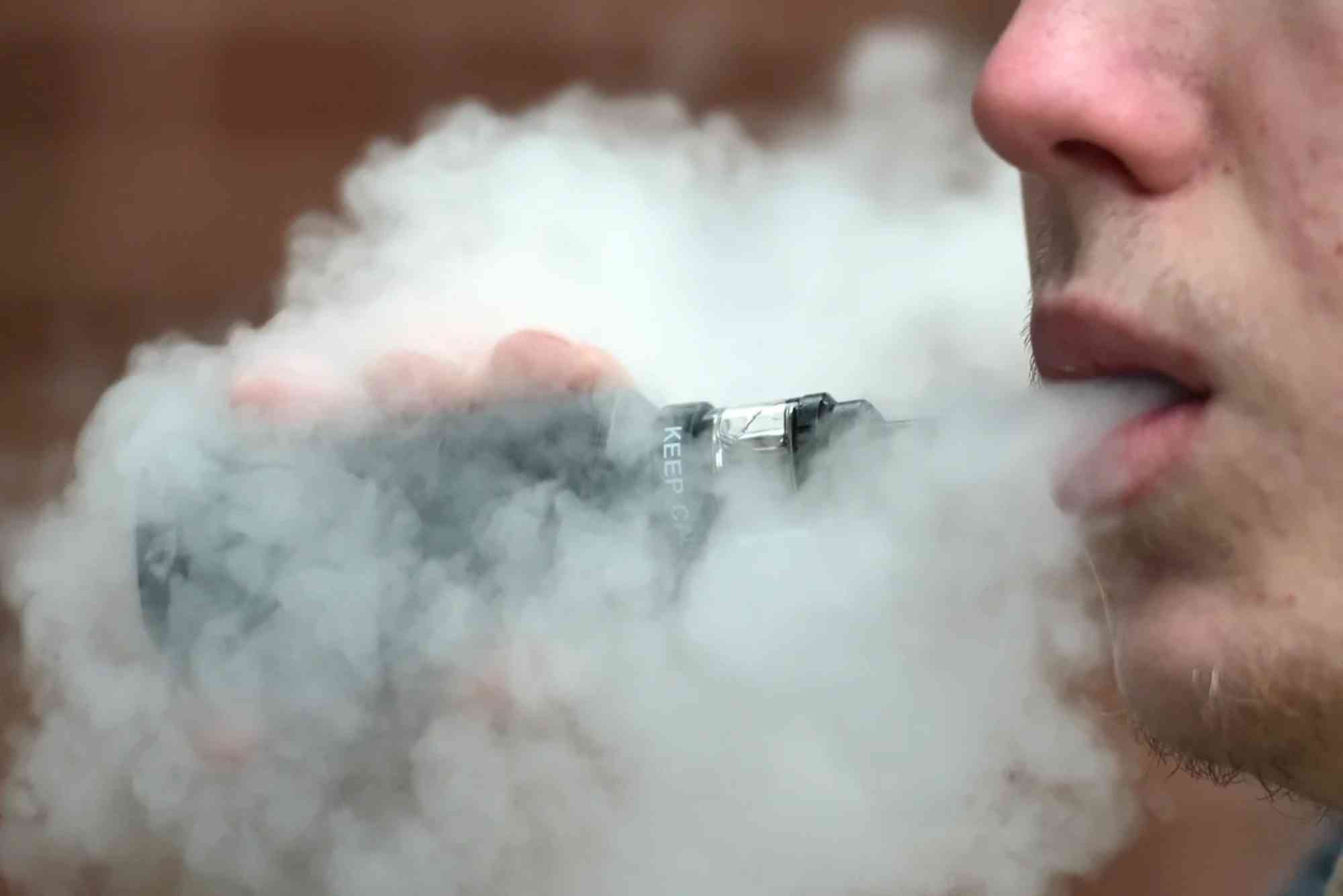
In recent years, electronic cigarettes, or e-cigarettes, have emerged as a popular alternative to traditional smoking. Their safety profile and design innovations play a crucial role in supporting harm reduction strategies for smokers looking to transition to less harmful habits. Harm reduction in vaping emphasizes minimizing the health risks associated with nicotine consumption without expecting complete abstinence from nicotine use. Understanding how e-cigarettes contribute to this approach requires a closer look at their safety features, regulatory standards, and the broader public health implications.
The growing interest in e-cigarettes is tied not only to their convenience and flavors but also to the scientific evidence indicating they are significantly less harmful than combustible tobacco. For smokers who have struggled with quitting, e-cigarettes offer a viable harm reduction tool. However, ensuring safety—particularly in device quality, battery reliability, and liquid composition—is essential to their effectiveness and public acceptance.
Understanding E-Cigarette Safety
Design Innovations That Reduce Risk
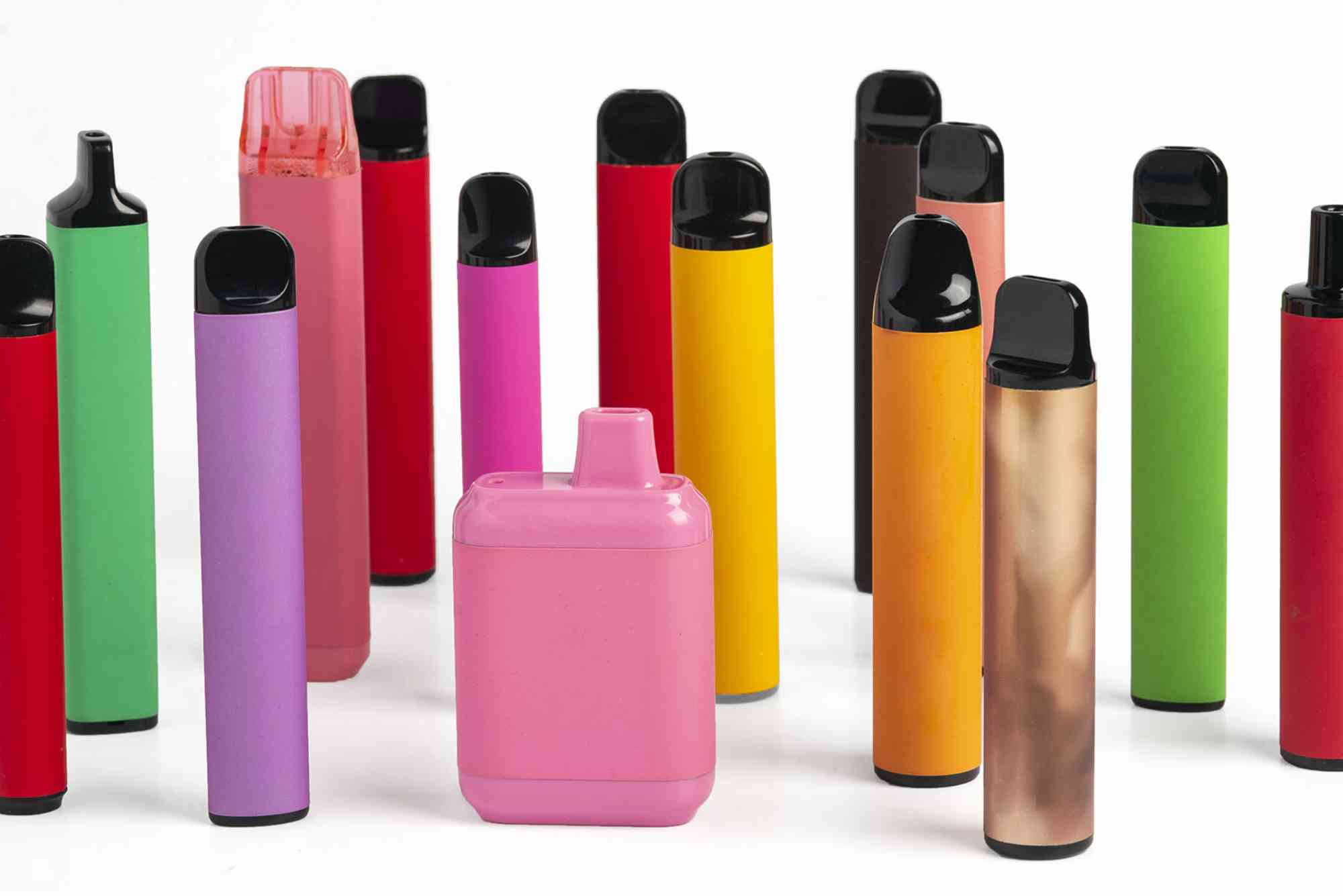
Modern e-cigarettes are engineered to minimize the risks associated with traditional smoking. Devices now include temperature control features to prevent overheating, leak-resistant cartridges, and child-resistant mechanisms. These innovations reduce the chances of burns, accidental nicotine ingestion, and other hazards. By prioritizing safety in their design, manufacturers help users focus on the harm reduction benefits without introducing new health risks.
The Role of Battery and Device Safety
Battery malfunctions have historically been a concern with vaping devices. Explosions and fires, though rare, can cause serious injuries. Strict adherence to battery safety standards and device testing protocols significantly mitigates these risks. Users can also refer to resources like U.S. CPSC — battery/device safety & consumer alerts to stay informed about recalls and safety tips. By understanding and managing these risks, vapers can confidently use electronic cigarettes as a safer alternative to combustible tobacco.
Quality-Controlled E-Liquids
E-liquids are the foundation of the vaping experience, and their safety directly impacts harm reduction efforts. Reputable manufacturers maintain strict quality controls to prevent contamination, ensure accurate nicotine levels, and avoid harmful additives. These measures not only protect users but also enhance the credibility of e-cigarettes as a public health tool. The presence of high-quality, tested liquids ensures that users are consuming fewer toxic substances compared to traditional cigarettes.
E-Cigarettes and Harm Reduction
Reducing Exposure to Harmful Chemicals
Traditional cigarettes contain thousands of chemicals, many of which are carcinogenic. E-cigarettes, on the other hand, deliver nicotine without burning tobacco, which drastically reduces exposure to toxic compounds. Scientific studies indicate that switching from smoking to vaping can significantly lower levels of harmful chemicals in the body, including tar and carbon monoxide. By minimizing exposure, e-cigarettes serve as an effective harm reduction strategy for smokers unable or unwilling to quit nicotine entirely.
Supporting Smoking Cessation Efforts
While not all vapers intend to quit nicotine, many use electronic cigarettes as a stepping stone toward cessation. E-cigarettes allow users to gradually reduce nicotine intake through controlled dosages. This flexibility empowers smokers to transition away from combustible cigarettes while maintaining satisfaction. Healthcare professionals increasingly recognize vaping as a practical harm reduction tool, especially when other cessation methods have failed.
Social and Behavioral Impact
Switching to e-cigarettes can also reduce secondhand smoke exposure, benefiting both users and those around them. Unlike traditional cigarettes, e-cigarettes produce vapor instead of smoke, which contains far fewer harmful chemicals. This not only protects public health but also reduces the social stigma often associated with smoking, making harm reduction a more accessible and sustainable lifestyle choice.
Regulatory Measures Enhancing E-Cigarette Safety
FDA Oversight and Compliance
In the United States, the Food and Drug Administration (FDA) regulates e-cigarettes to ensure product safety and efficacy. These regulations cover manufacturing practices, marketing claims, and labeling requirements. By enforcing these standards, the FDA helps prevent unsafe products from entering the market, thereby supporting harm reduction initiatives. Compliance ensures that users can trust devices and e-liquids, making the transition from traditional smoking safer.
International Safety Standards
Globally, countries are adopting various standards for e-cigarette safety. The European Union’s Tobacco Products Directive (TPD), for instance, imposes strict rules on nicotine levels, tank sizes, and child-resistant packaging. These measures aim to harmonize safety across markets and protect consumers. Such regulatory frameworks validate the use of e-cigarettes as harm reduction tools while ensuring consistency and reliability in product safety.
Ongoing Research and Risk Assessment
Continuous research is vital to understanding the long-term effects of vaping. Scientists monitor chemical emissions, health outcomes, and behavioral patterns among users to refine safety recommendations. This evidence-based approach allows regulators, manufacturers, and public health advocates to update guidelines and improve harm reduction strategies, reinforcing e-cigarettes’ role in safer nicotine consumption.
Best Practices for Safe Vaping
Choosing Reliable Devices and Liquids
Users should prioritize devices from reputable brands with proven safety records. Ensuring that e-liquids are certified and free from harmful additives is equally important. Reliable products reduce the risk of malfunction and support the overall goal of harm reduction.
Discover the latest trends, tips, and insights in the vaping world by visiting vaporwhirl.com. Whether you’re looking for product reviews, guides, or the newest innovations, vaporwhirl.com is your go-to destination for all things vaping.
Understanding Proper Usage and Maintenance
Regular maintenance, including battery care and device cleaning, minimizes risks associated with malfunction or contamination. Following manufacturer instructions and staying informed about recalls further enhances safety. Educated and mindful use allows vapers to enjoy harm reduction benefits without compromising health.
Awareness of Health Impacts
Although e-cigarettes are safer than combustible tobacco, they are not risk-free. Awareness of potential side effects, such as throat irritation or nicotine dependence, helps users make informed choices. Combining safety knowledge with behavioral strategies maximizes harm reduction while minimizing unintended consequences.
Electronic cigarette safety plays a critical role in harm reduction, offering smokers a less harmful alternative to traditional cigarettes. Through device innovations, regulated e-liquids, and responsible usage, vaping can reduce exposure to toxic chemicals, support smoking cessation, and protect public health. While no nicotine product is entirely risk-free, e-cigarettes represent a pragmatic approach for those seeking safer options.
For smokers ready to explore harm reduction, switching to a high-quality, safety-certified e-cigarette is a meaningful step toward a healthier lifestyle. Stay informed, prioritize safe devices, and contribute to the growing movement of safer nicotine alternatives.
How Major Illegal Vaping Bust Supports Harm Reduction in Vaping The recent major illegal vaping bust highlights the risks of unregulated products, reinforcing the importance of harm reduction. By removing counterfeit and unsafe vapes from the market, authorities protect public health, ensuring that users have access to regulated, lower-risk alternatives, which supports safer vaping practices.
FAQ
Are e-cigarettes really safer than smoking?
Yes, multiple studies show e-cigarettes reduce exposure to harmful chemicals found in tobacco smoke, supporting harm reduction for smokers.
Can vaping help me quit smoking completely?
E-cigarettes can support gradual nicotine reduction. Many users successfully transition to lower nicotine levels before quitting entirely.
What are the main safety concerns with e-cigarettes?
Battery malfunctions, contaminated e-liquids, and device misuse are the primary concerns. Following safety guidelines minimizes these risks.
Is secondhand vapor dangerous?
Secondhand vapor is significantly less harmful than cigarette smoke, with lower levels of toxic chemicals, benefiting bystanders.
Where can I find safe devices and e-liquids?
Choose reputable brands that follow regulatory standards and provide certified, lab-tested products. Resources like U.S. CPSC — battery/device safety & consumer alerts help users stay informed.