Introduction
In recent years, vaping has become a popular alternative to smoking traditional tobacco. Alongside this rise, CBD vaping has gained attention for its potential health benefits and lower risks compared to nicotine products. However, the rapid growth of CBD vaping also raised safety and regulatory concerns, prompting the introduction of the CBD vaping laws 2018. These laws aim to ensure product safety, regulate quality, and protect consumers, ultimately supporting harm reduction in vaping. Understanding how these regulations work can help users make safer choices and policymakers improve public health outcomes.
The Purpose of CBD Vaping Laws 2018
The CBD vaping laws 2018 were introduced to address the growing popularity of CBD vape products while protecting consumers from potential risks. Unlike nicotine vaping, CBD is a compound derived from hemp with non-psychoactive properties, but unregulated products could contain harmful contaminants.
Ensuring Product Quality
A key component of these laws is setting strict quality standards. Manufacturers must test products for contaminants, including heavy metals, pesticides, and residual solvents. This ensures that users inhale only safe substances, reducing potential health risks associated with poorly manufactured vape liquids.
Standardizing Labeling and Dosage
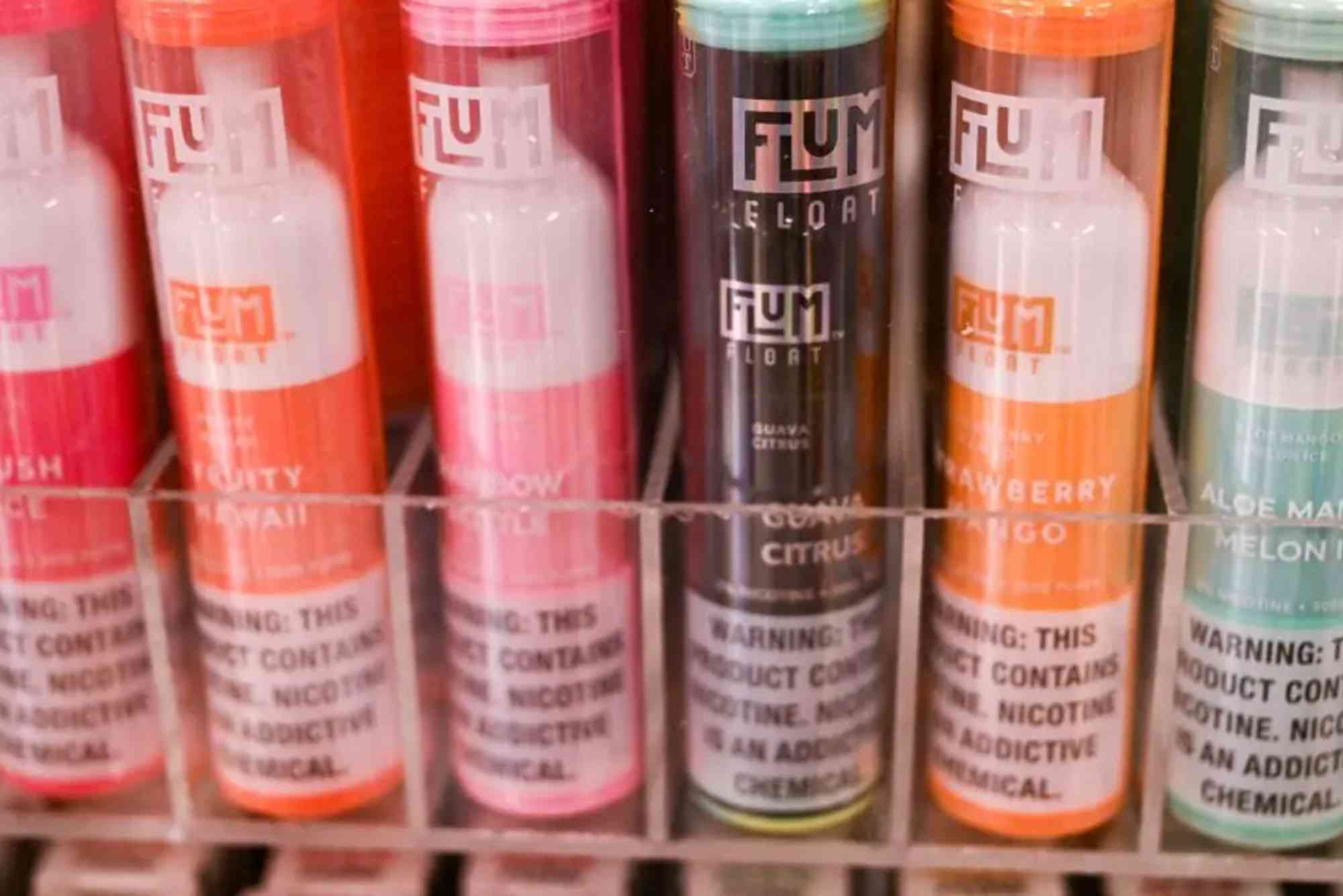
CBD vaping laws require clear labeling of ingredients and CBD concentration. Accurate labeling prevents accidental overconsumption and informs users about the potency of their products. Standardized dosages also support responsible use, which is essential for harm reduction.
Regulating Marketing Practices
The 2018 laws also regulate advertising and marketing of CBD vaping products. Misleading claims about health benefits or therapeutic effects are restricted, preventing vulnerable users from being misinformed. This reduces the likelihood of users relying solely on unproven products, promoting safer vaping practices.
How CBD Vaping Laws Promote Harm Reduction
Harm reduction focuses on minimizing the negative health effects of behaviors rather than insisting on complete abstinence. CBD vaping laws 2018 support this goal in several ways.
Reducing Exposure to Harmful Chemicals
Traditional smoking exposes users to tar, carbon monoxide, and thousands of toxic compounds. CBD vaping, when regulated, eliminates many of these harmful substances. By enforcing safety and quality standards, the laws help users switch from tobacco or unregulated vape products to safer alternatives.
Encouraging Safer Product Formulations
Regulations require manufacturers to avoid harmful additives like vitamin E acetate, which has been linked to severe lung injuries. Legal CBD vape products are formulated with safer ingredients, reducing the risk of acute and long-term health issues.
Supporting Consumer Awareness
Mandatory labeling and dosage information empower users to make informed decisions. Knowing the exact content of CBD vape liquids helps users manage their consumption responsibly and avoid accidental overdoses.
Aligning with Public Health Policies
CBD vaping laws 2018 complement national drug policies and harm reduction strategies. By creating a legal framework for safe CBD use, governments provide a regulated alternative for smokers who want to reduce harm. This approach aligns with recommendations from EMA / national drug policy pages — CBD regulatory guidance.
Challenges and Considerations
While CBD vaping laws improve safety, challenges remain.
Enforcement Difficulties
Ensuring all manufacturers comply with testing, labeling, and marketing regulations can be challenging. Enforcement requires continuous monitoring and resources, especially as new products enter the market.
Cross-Border Variations
CBD vaping regulations differ between countries. Users traveling across borders may encounter products that do not meet the same safety standards, potentially increasing risks.
Misconceptions About Safety
Regulated CBD vaping products are safer but not entirely risk-free. Users must understand that vaping still involves inhaling substances into the lungs, and responsible use is critical.
CBD vaping laws 2018 play a crucial role in supporting harm reduction by ensuring product safety, standardizing dosages, and promoting informed use. These laws help users transition from more harmful smoking habits while minimizing exposure to toxic chemicals. By adhering to regulatory guidance, both manufacturers and consumers contribute to a safer vaping environment.
For anyone interested in exploring regulated CBD products, reviewing the EMA / national drug policy pages — CBD regulatory guidance is a reliable starting point. Choosing regulated products ensures quality, transparency, and a safer experience.
FAQs
What is the main goal of CBD vaping laws 2018?
The laws aim to ensure product safety, standardize labeling, and support harm reduction in vaping.
Are CBD vape products completely safe?
No, but regulated products reduce risks compared to untested alternatives and tobacco smoking.
How do CBD vaping laws support harm reduction?
They enforce quality testing, prevent harmful additives, and provide clear dosage information.
Can I trust products from other countries?
Safety standards vary across borders, so always check local regulations before purchasing.
Where can I find official guidance on CBD vaping regulations?
The EMA / national drug policy pages — CBD regulatory guidance provide detailed and authoritative information.