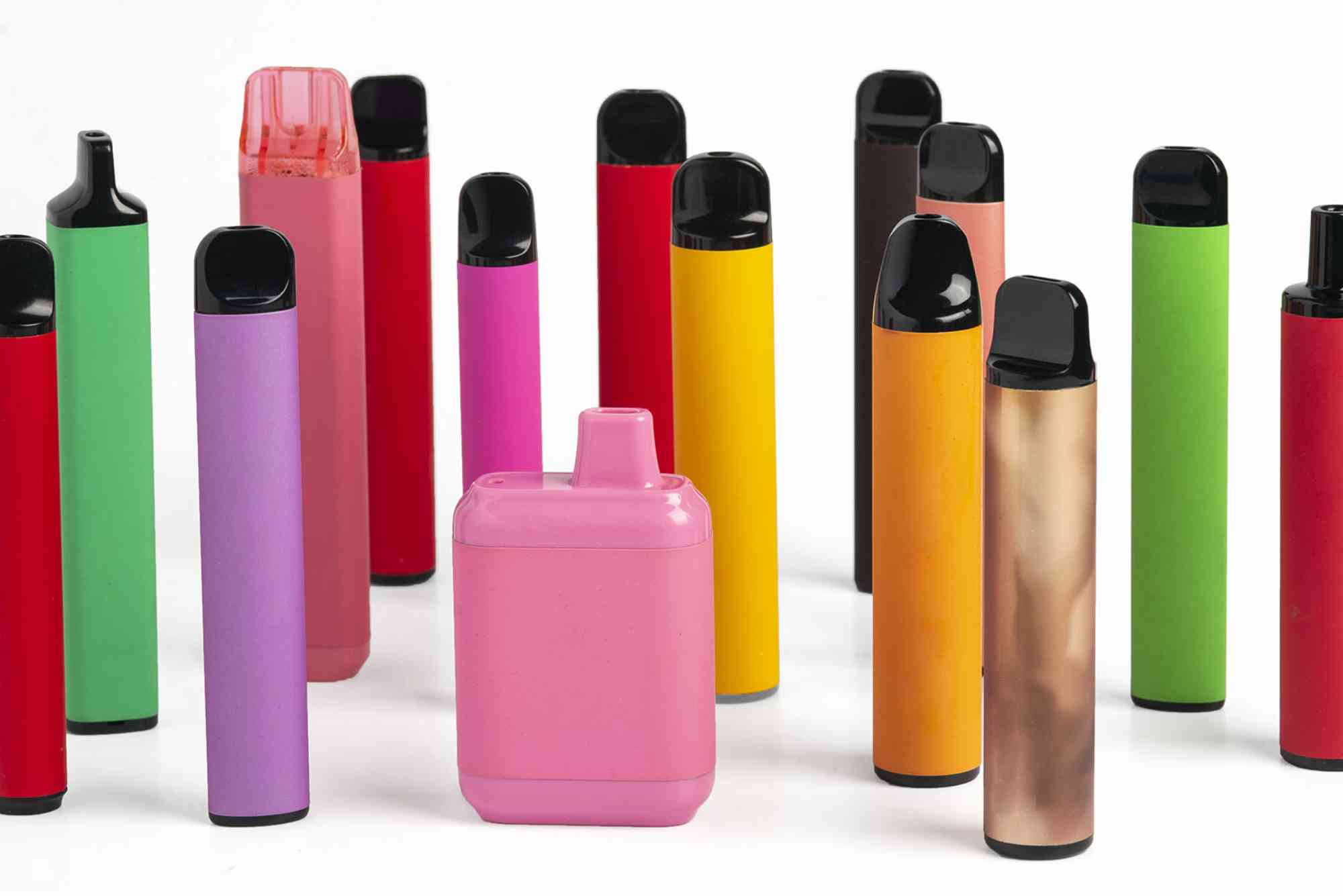
Introduction
In recent years, the global conversation around vaping and tobacco control has evolved significantly. The question of whether individuals should be allowed to vape at 18 is no longer just a legal or moral debate—it’s part of a broader public health strategy focused on harm reduction. Harm reduction doesn’t mean promoting nicotine use; it means minimizing the potential damage caused by traditional tobacco products. Understanding how vaping at 18 can support harm reduction requires an honest look at youth behavior, addiction trends, and scientific evidence.
Understanding Harm Reduction in Vaping
Harm reduction is a public health principle that aims to reduce the negative effects of risky behaviors without necessarily eliminating them. When applied to tobacco use, harm reduction involves offering safer alternatives to smoking, such as e-cigarettes and nicotine vapes. Numerous health organizations have recognized that vaping, while not entirely risk-free, is significantly less harmful than combustible cigarettes.
The rationale is simple: vaping eliminates the burning process that produces tar and thousands of toxic chemicals found in cigarette smoke. By allowing adults aged 18 and over to choose vaping instead of smoking, governments can help reduce smoking-related diseases and deaths. The WHO / Tobacco 21 policy resources offer a global overview of how age regulations and harm reduction strategies can work hand in hand.
The Role of Vaping at 18 in Tobacco Harm Reduction
Allowing vaping at 18 doesn’t mean encouraging nicotine consumption among youth. Instead, it recognizes that at 18, individuals are considered legal adults capable of making informed decisions. Many young adults in this age group are already exposed to cigarettes or alcohol, and introducing regulated vaping as a less harmful alternative can play a preventive role.
Studies show that a large percentage of smokers begin before the age of 20. By offering access to vaping at 18 under strict regulation, governments can divert potential smokers toward a product that has fewer health consequences. This approach supports harm reduction by acknowledging reality instead of enforcing unrealistic abstinence-only policies that may push youth toward illegal or unsafe products.
A Safer Alternative for Young Adult Smokers
For young adults who have already started smoking, vaping provides an immediate pathway to reduce harm. The transition from smoking to vaping can significantly lower exposure to toxins, leading to better long-term health outcomes. Countries like the UK and New Zealand have actively integrated vaping into their harm reduction strategies, resulting in record-low smoking rates among youth.
Allowing vaping at 18 aligns with these progressive public health policies, ensuring that those who smoke can access safer alternatives rather than being penalized or stigmatized.
Why Age 18 Makes Sense for Vaping Access
The age of 18 is widely recognized as the legal threshold for adulthood. At this age, individuals can vote, drive, and make independent health decisions. Restricting access to vaping until 21 or older assumes that younger adults are incapable of responsible decision-making, which may not align with their legal rights in other areas of life.
The Balance Between Protection and Freedom
Critics of vaping access at 18 argue that younger adults are more susceptible to addiction. While this concern is valid, complete prohibition may have unintended consequences. Instead of preventing use, strict bans often lead to black-market sales or unsafe homemade vape liquids. A harm reduction model seeks balance—educating 18-year-olds on risks while allowing them to access regulated, safer alternatives.
This approach promotes transparency, safety, and accountability. Rather than hiding vaping, open regulation allows for quality control, warning labels, and public awareness campaigns that teach responsible use.
Harm Reduction Through Education and Regulation
Legal vaping at 18 is only effective when combined with education. Governments and health organizations can use this opportunity to implement comprehensive awareness programs that teach young adults about nicotine addiction, safe usage, and cessation pathways. When paired with regulation, education transforms vaping from a trend into a controlled harm reduction tool.
Regulation That Works
Successful harm reduction policies include clear guidelines on product quality, labeling, and advertising. For example, restricting marketing aimed at minors while maintaining adult access ensures responsible use. Additionally, requiring manufacturers to disclose ingredients and nicotine levels promotes transparency and safety.
Countries that enforce such regulations have witnessed fewer cases of misuse and misinformation. Legal vaping age laws, when properly designed, protect consumers without criminalizing adult choices.
Comparing Vaping and Smoking in Terms of Harm
Vaping is often misunderstood due to misinformation. While not harmless, research from leading health agencies confirms that vaping poses a fraction of the risk associated with smoking. Cigarettes produce more than 7,000 chemicals when burned, dozens of which are carcinogenic. In contrast, e-cigarettes deliver nicotine through vapor, significantly reducing exposure to these toxins.
Scientific Evidence Supporting Harm Reduction
Public Health England’s reports have consistently found vaping to be at least 95% less harmful than smoking. This finding underscores vaping’s role as a pragmatic alternative for harm reduction. Allowing adults at 18 to access vaping can therefore serve as an early intervention for those already experimenting with tobacco.
Instead of pushing young adults toward more dangerous choices, providing regulated access to vaping offers a scientifically backed harm reduction strategy that prioritizes health and safety.
Addressing Misconceptions About Vaping at 18
A major challenge in the vaping debate is misinformation. Many believe vaping is equally or more harmful than smoking, which is scientifically incorrect. These misconceptions often arise from sensational headlines or incomplete studies that ignore context.
The “Gateway” Argument
One common myth is that vaping leads to smoking. However, longitudinal studies in countries with mature vaping markets show the opposite trend. Smoking rates decline faster in populations where vaping is available as a harm reduction tool. When 18-year-olds have legal access to regulated vapes, they are less likely to turn to combustible tobacco or illegal products.
Addiction and Responsibility
Yes, nicotine is addictive—but so are caffeine and alcohol, which are legally available to adults at 18. The harm lies not in nicotine itself but in how it’s delivered. By offering safer nicotine delivery systems like vapes, society can reduce the massive burden of smoking-related illness without infringing on adult autonomy.
Global Perspectives on Vaping Age and Harm Reduction
Countries around the world have adopted varying age limits and policies regarding vaping. The United Kingdom allows vaping at 18 as part of a broader harm reduction initiative. In contrast, the United States has implemented the “Tobacco 21” policy, raising the legal age to 21.
Interestingly, countries with balanced harm reduction policies—like the UK and New Zealand—have seen better outcomes in youth smoking reduction compared to those with prohibition-style approaches. The WHO / Tobacco 21 policy resources provide valuable insights into these international comparisons.
These global examples highlight that strict bans do not necessarily produce healthier outcomes. Instead, well-regulated harm reduction frameworks offer the most effective results for both individuals and public health systems.
Economic and Social Benefits of Harm Reduction
Supporting vaping at 18 also carries broader economic and social benefits. By steering young adults away from cigarettes, healthcare costs related to smoking-related diseases can be reduced over time. Vaping also supports innovation in safer nicotine delivery technologies, stimulating economic activity while promoting public well-being.
Empowering Youth with Informed Choice
Education and responsible regulation empower young adults to make better decisions for their health. Instead of hiding vaping behind stigma, acknowledging it as a legitimate harm reduction tool encourages informed, science-based choices. This approach aligns with modern public health principles that prioritize transparency and personal agency.
Vaping at 18 as a Step Toward a Healthier Future
How Can you Vape at 18 be a powerful tool for harm reduction if implemented with strong regulation and education. It provides young adults who might otherwise turn to cigarettes a safer, regulated alternative. This policy acknowledges adult autonomy while addressing the real-world complexities of nicotine use.
Public health is most effective when it meets people where they are, not where we wish they would be. Vaping at 18 supports harm reduction by offering a practical, evidence-based path toward minimizing tobacco-related harm. Instead of criminalizing or shaming users, society can focus on guiding them toward safer, regulated choices. If you’re an adult smoker seeking a safer alternative, consider exploring regulated vaping options and learn about harm reduction from trusted health sources like the WHO / Tobacco 21 policy resources. Make informed choices that support your health and the broader goal of a smoke-free future.
Frequently Asked Questions
Is vaping at 18 legal everywhere?
No, vaping laws vary by country. Some nations allow it at 18, while others set the minimum age at 21. Always check your local regulations before purchasing or using vape products.
Does vaping really reduce harm compared to smoking?
Yes. Scientific studies consistently show that vaping is far less harmful than smoking because it doesn’t involve combustion, which produces toxic chemicals found in cigarettes.
Can vaping help me quit smoking?
Many smokers have successfully transitioned from cigarettes to vaping. While not officially approved as a cessation tool in all countries, vaping often serves as an effective step-down method for those trying to quit.
Are there risks for 18-year-olds who vape?
Vaping is not risk-free. It contains nicotine, which is addictive. However, when compared to smoking, it poses significantly fewer health risks, especially when used responsibly under regulation.
Why is harm reduction important in tobacco control?
Harm reduction acknowledges that some people will continue to use nicotine products. Instead of promoting unrealistic abstinence-only approaches, it focuses on reducing overall health risks and preventing more serious harm.