Introduction
Vaping has emerged as a significant alternative to traditional smoking, offering reduced-risk options for millions of smokers worldwide. In Australia, the government has taken a cautious yet supportive approach toward vaping, aiming to balance public health protection with harm reduction strategies. Understanding how Australian vaping laws supports harm reduction in vaping is essential for both current vapers and those considering switching from cigarettes.
Australia’s approach is unique compared to many other countries. Rather than outright banning e-cigarettes, the law regulates their use and sale, particularly when nicotine is involved. This strategy reflects a commitment to harm reduction, prioritizing the reduction of smoking-related illnesses while still protecting public health.
The Framework of Australian Vaping Laws
National Regulation and Policy
The Australian Government Department of Health — national policy sets out clear regulations for the sale, possession, and use of vaping products. Nicotine-containing e-liquids are considered prescription-only substances in most states. This means that adults who wish to use nicotine vapes must obtain them through legal medical channels. By doing so, the government ensures that users are informed about risks and that nicotine products are used responsibly.
State and Territory Variations
While national policy provides the framework, each Australian state and territory enforces vaping laws differently. Some regions allow licensed pharmacies to supply nicotine vapes, while others impose stricter restrictions. For example, in Western Australia and Queensland, it is illegal to purchase nicotine vapes without a prescription. These laws reflect a careful approach to harm reduction: reducing cigarette use without encouraging youth vaping or unregulated consumption.
How Harm Reduction Is Integrated Into Vaping Laws
Promoting Safer Alternatives
The core principle of harm reduction is reducing the health risks associated with smoking. Traditional cigarettes release thousands of harmful chemicals, many of which are carcinogenic. By contrast, regulated nicotine vapes deliver nicotine without most of the toxic byproducts of combustion. Australian laws recognize this distinction, creating a pathway for smokers to switch to a less harmful alternative.
Reducing Smoking-Related Illnesses
Australia has one of the lowest smoking rates globally, thanks in part to public health campaigns and strict tobacco control. Vaping laws complement these measures by providing smokers with an alternative that is considerably less harmful. By limiting access to regulated nicotine products and encouraging their use under medical guidance, the laws aim to reduce long-term health problems like lung cancer, heart disease, and chronic respiratory conditions.
Educating Users on Safe Practices
Harm reduction also relies on informed decision-making. Australian vaping laws require product labeling, dosage guidelines, and education about potential risks. Prescription-based access ensures that nicotine vapers consult healthcare professionals, who can advise on safer use and quitting strategies. This approach aligns with harm reduction goals: it allows individuals to reduce harm while avoiding unintended consequences, such as addiction escalation or misuse.
Restricting Youth Access and Protecting Public Health
Age Restrictions and Retail Regulations
One of the most important aspects of harm reduction is preventing youth exposure to nicotine. Australian vaping laws strictly prohibit the sale of e-cigarettes to individuals under 18. Retailers must verify age, and online sales of nicotine-containing products are tightly regulated. These measures help reduce the risk of nicotine addiction among young people while still allowing adult smokers access to harm-reducing alternatives.
Flavor and Marketing Controls
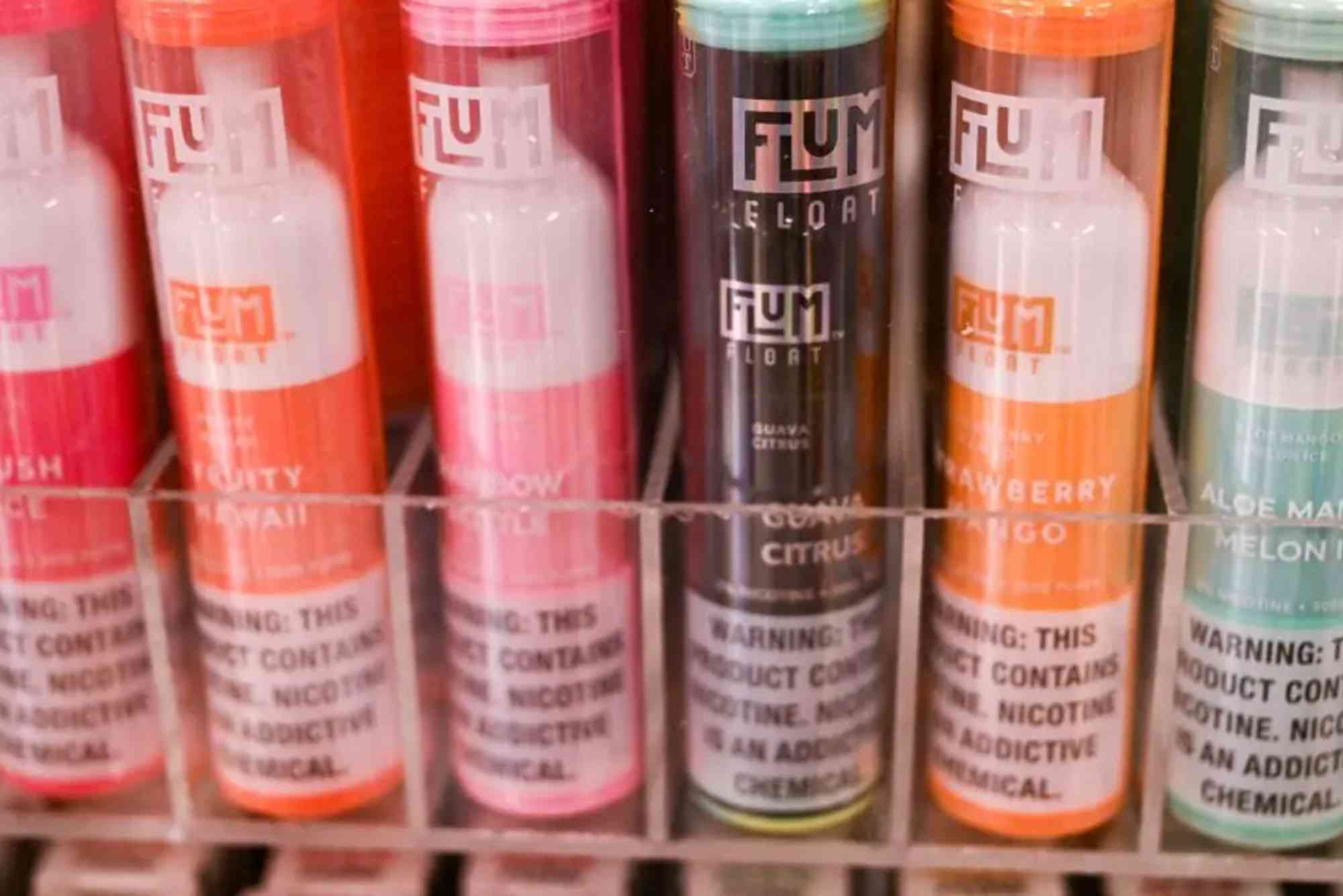
To further protect public health, Australia imposes limits on marketing and product flavors. While flavored e-liquids can make vaping more appealing to smokers trying to quit, they can also attract minors. Laws strike a balance by restricting aggressive advertising and flavor options while allowing adult users to make informed choices. This careful regulation contributes directly to the overall harm reduction strategy.
The Role of Medical Supervision
Prescription Pathways for Nicotine Vapes
Under Australian law, nicotine-containing vapes are only legally available through prescriptions. This ensures that healthcare professionals guide users through safe usage and monitor any potential side effects. By incorporating medical oversight, the laws reduce the risks associated with self-medication, unregulated products, and unsafe dosages.
Integration With Smoking Cessation Programs
Healthcare professionals often recommend nicotine vapes as part of broader smoking cessation plans. The legal framework supports these interventions, offering structured support that maximizes the chance of quitting traditional cigarettes. Combining medical guidance with legal access reinforces harm reduction, emphasizing health improvement rather than recreational nicotine use.
Public Health Benefits Observed
Decline in Smoking Rates
Evidence suggests that regions with regulated access to vaping products experience a decline in cigarette use. In Australia, although vaping is highly controlled, smokers who have transitioned to nicotine vapes report reduced cigarette consumption. This trend directly supports harm reduction, as fewer combustible cigarettes are burned, lowering exposure to harmful chemicals.
Reduced Second-Hand Smoke Exposure
By replacing traditional cigarettes with vaping devices, public exposure to second-hand smoke decreases. This benefits non-smokers and creates safer environments, especially in homes and public spaces. Australian vaping laws, therefore, indirectly enhance community health while still promoting personal harm reduction.
Challenges and Criticisms
Barriers to Access for Smokers
One common critique is that strict prescription laws may create barriers for smokers seeking harm reduction. Acquiring nicotine vapes legally can be complicated and expensive. However, the Australian government views this as a necessary trade-off to prevent youth addiction and unregulated use.
Ensuring Product Safety
While regulated pathways exist, concerns remain about counterfeit or illegally imported vaping products. Ongoing monitoring, enforcement, and public awareness campaigns are essential to ensure that the harm reduction benefits of vaping are not undermined by unsafe products.
The Future of Vaping Regulation in Australia
Balancing Harm Reduction and Public Safety
Australian vaping laws continue to evolve. Policymakers aim to balance harm reduction benefits with ongoing concerns about youth vaping and product safety. Future reforms may include broader access through medical programs, improved public education, and tighter enforcement against illegal imports.
Potential Expansion of Harm Reduction Strategies
As more research emerges, harm reduction policies may expand to include additional support for smokers, such as subsidized nicotine vapes, integrated cessation programs, and better access to professional guidance. These measures could enhance the public health impact while maintaining strict controls to protect young people.
Australian vaping laws provide a unique example of how regulation can support harm reduction. By controlling access, prioritizing medical guidance, and enforcing youth protections, the country reduces smoking-related illnesses while offering safer alternatives. Understanding how Australian vaping laws supports harm reduction in vaping helps smokers make informed decisions and promotes a healthier society overall.
If you are a smoker looking to transition to a safer alternative, learn more about your options and consult healthcare professionals for guidance. Responsible use under legal frameworks maximizes harm reduction benefits.
FAQ
Are nicotine vapes legal in Australia?
A: Yes, but they are prescription-only in most states. Non-nicotine vapes are more widely available.
Can minors buy vaping products in Australia?
A: No. Australian law strictly prohibits sales to anyone under 18.
How do Australian vaping laws support harm reduction?
A: By promoting safer alternatives, controlling youth access, and encouraging medical supervision.
Are flavored e-liquids allowed?
A: Flavors are regulated to reduce youth appeal, but adult users can access some options under legal frameworks.
Where can I learn more about vaping laws?
A: The Australian Government Department of Health — national policy provides detailed guidelines and updates.