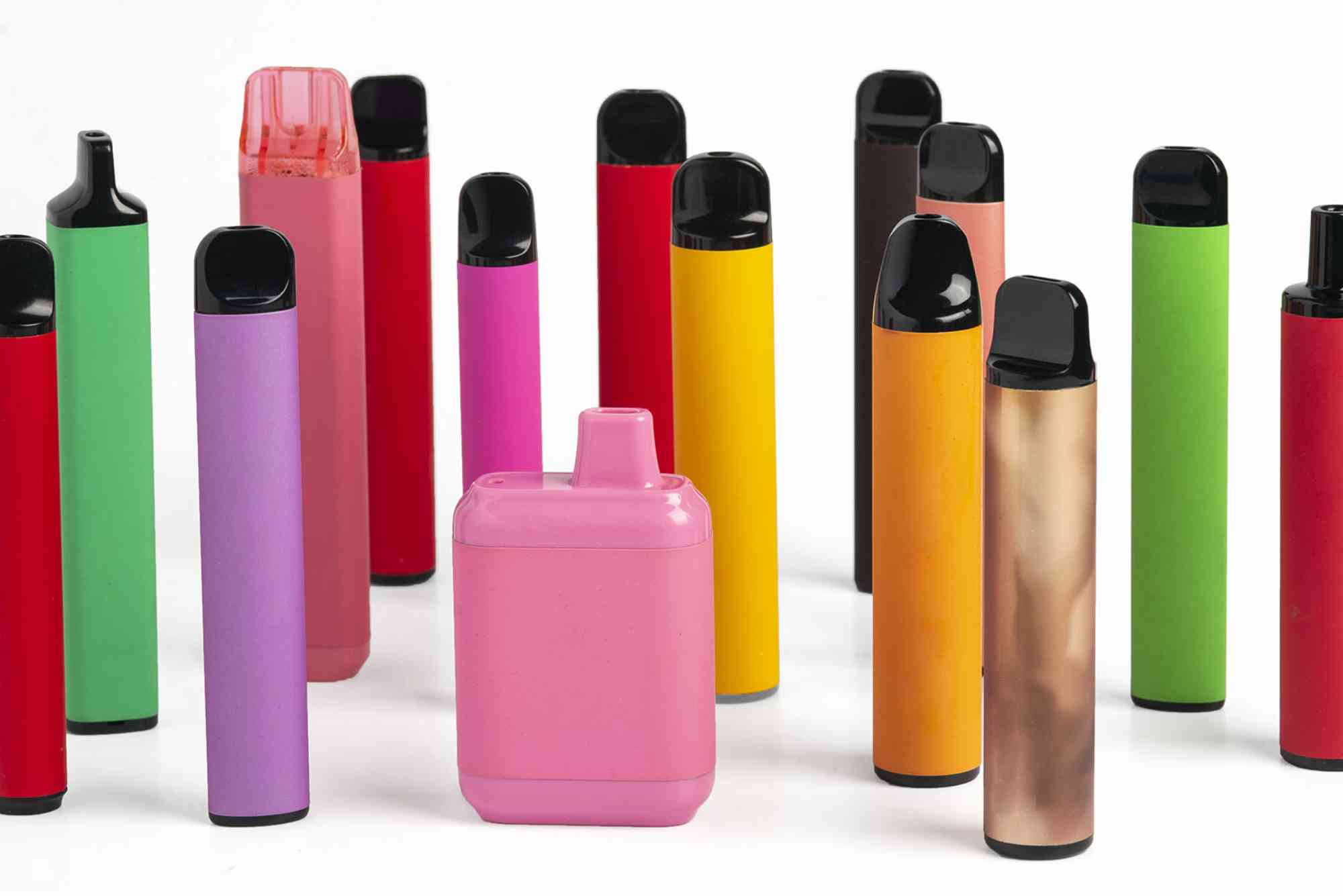
Ecigarette Risks in Vape Batteries: Stay Safe While Vaping
Vaping has become a popular alternative to smoking, but many users overlook the risks associated with ecigarette batteries. While ecigarettes are marketed as a safer option, improper battery use can lead to accidents, injuries, and device malfunctions. Understanding these risks is essential for every vaper to ensure safe and enjoyable experiences. This article explores the key hazards of vape batteries and practical safety tips to prevent mishaps.
Understanding Ecigarette Batteries
Types of Vape Batteries
Most ecigarettes rely on lithium-ion batteries due to their high energy density and compact size. Common types include:
- Internal Batteries: Built into the device, non-removable, requiring careful charging.
- External Batteries: Removable batteries that allow flexibility but need proper handling.
Both types store significant energy, which, if mismanaged, can lead to overheating or explosions.
How Batteries Work in Ecigarettes
Vape batteries supply power to heat the coil, vaporizing e-liquid. High current draws and repeated charging cycles stress the battery over time. Any damage, such as punctures or exposure to water, can compromise safety.
Common Risks of Ecigarette Batteries
Overheating and Thermal Runaway
Overcharging or using incompatible chargers can cause batteries to overheat. Thermal runaway occurs when internal battery heat triggers chemical reactions, potentially resulting in fire or explosion.
Short Circuits
A short circuit happens when battery terminals contact metal objects, like coins or keys. This can generate extreme heat rapidly, damaging the battery or causing burns.
Physical Damage
Dropping or crushing batteries can rupture their casing, exposing flammable chemicals. Even small dents increase the risk of malfunctions.
Using the Wrong Charger
Charger compatibility is critical. Low-quality chargers may deliver unstable current, leading to overheating. Always use manufacturer-recommended chargers.
Counterfeit Batteries
Fake batteries are a growing concern. They often lack safety protections, increasing the risk of failure or fire. Purchase only from trusted sources.
Safety Tips for Ecigarette Users
Proper Charging Practices
- Use original chargers from your ecigarette brand.
- Avoid charging overnight or unattended.
- Charge on heat-resistant surfaces to minimize fire risks.
Safe Storage
- Keep batteries away from metal objects.
- Store in battery cases during travel.
- Avoid extreme temperatures; do not leave batteries in cars under the sun.
Regular Inspection
- Check batteries for dents, swelling, or leaks.
- Replace damaged batteries immediately.
- Monitor device temperature while vaping to detect overheating early.
Handling and Usage
- Do not disassemble batteries unless experienced.
- Follow manufacturer guidelines for wattage and resistance limits.
- Rotate usage if using multiple batteries to prevent overuse.
Advanced Safety Measures
Battery Wraps and Cases
Using protective wraps reduces the risk of accidental contact with metal objects. Cases also provide shock absorption during drops.
Using High-Quality E-Liquids
Low-quality or homemade e-liquids can cause excessive coil resistance, stressing the battery. Choosing reputable brands ensures safer performance. For example, premium options like fruit punch vape juice deliver consistent vapor while protecting device longevity.
Temperature Control Mods
Some advanced devices include temperature control features to prevent overheating. These features automatically limit current to avoid thermal stress.
Signs Your Ecigarette Battery Is Unsafe
- Swelling or bulging casing
- Unusual heat during vaping or charging
- Strange noises or smells
- Inconsistent power output
Ignoring these warning signs can result in dangerous situations. Always replace suspect batteries immediately.
Common Misconceptions About Ecigarette Battery Safety
“All Vape Batteries Are the Same”
Not all lithium-ion batteries are equal. Differences in amp ratings, size, and brand quality affect safety and performance.
“Charging Fast Is Fine”
Rapid charging may be convenient but increases battery stress. Follow manufacturer guidelines for optimal charging speed.
“Vaping Indoors Is Risk-Free”
Vaping near flammable materials increases fire risk if a battery malfunctions. Maintain distance from paper, fabrics, and liquids.
Stay Safe While Vaping
Understanding ecigarette battery risks is crucial for safe vaping. By using proper charging methods, high-quality batteries, and reputable e-liquids like fruit punch vape juice, you reduce accidents significantly. Awareness, careful handling, and proactive inspections are key to enjoying a safer vaping experience.
Take Action Today: Regularly inspect your batteries, follow safety guidelines, and invest in quality devices. Protect yourself and those around you from avoidable risks.
FAQ
What should I do if my ecigarette battery swells?
Stop using the device immediately, avoid puncturing the battery, and safely dispose of it according to local regulations.
Can I use any charger for my ecigarette?
No, always use the charger recommended by the manufacturer to prevent overheating or damage.
How often should I replace vape batteries?
Replace batteries showing wear, swelling, or decreased performance. Routine replacement every 6–12 months is recommended for heavy users.
Is it safe to carry spare batteries in my pocket?
Only if they are in protective cases. Avoid direct contact with coins, keys, or other metal objects to prevent short circuits.
Can high temperatures damage vape batteries?
Yes, extreme heat can weaken battery structure and increase the risk of fire or explosion. Avoid leaving batteries in hot cars or near heat sources.