Understanding Difference Between Vaping and Smoking and Its Impact on Vaping Health
The difference between vaping and smoking is a topic gaining attention worldwide as more people look for alternatives to traditional cigarettes. While both involve inhaling substances into the lungs, their methods, ingredients, and health impacts vary significantly. This article explains these differences clearly and objectively, focusing on the impact of vaping on health compared to smoking. If you’re considering switching from smoking to vaping or just want to understand the risks, this guide is for you.
What Is Smoking?
Smoking is the act of inhaling smoke produced by burning tobacco or other substances. It is most commonly associated with cigarettes, cigars, and pipes. When tobacco burns, it releases thousands of chemicals, many of which are harmful.
How Smoking Works
When you light a cigarette, the tobacco burns and generates smoke containing nicotine, tar, carbon monoxide, and various carcinogens. Smokers inhale this smoke, absorbing nicotine rapidly into the bloodstream through the lungs.
Health Risks of Smoking
Smoking causes significant damage to nearly every organ. It is a leading cause of:
- Lung cancer and other cancers
- Heart disease
- Chronic obstructive pulmonary disease (COPD)
- Stroke
- Respiratory infections
The toxic chemicals and carcinogens in cigarette smoke are responsible for these health issues.
What Is Vaping?
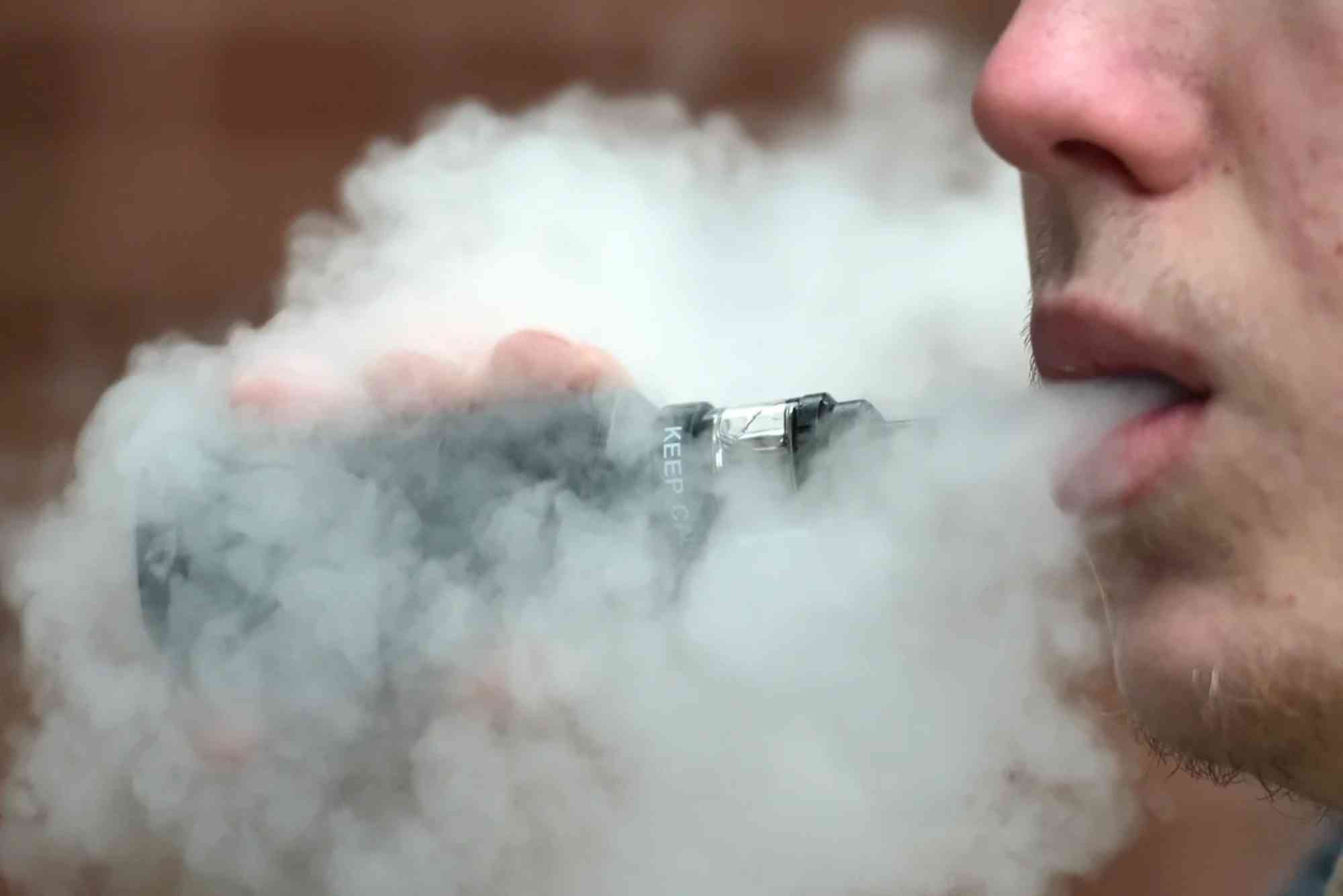
Vaping involves inhaling vapor produced by heating a liquid—called e-liquid or vape juice—containing nicotine, flavorings, and other chemicals. Unlike smoking, vaping does not involve combustion or burning.
How Vaping Works
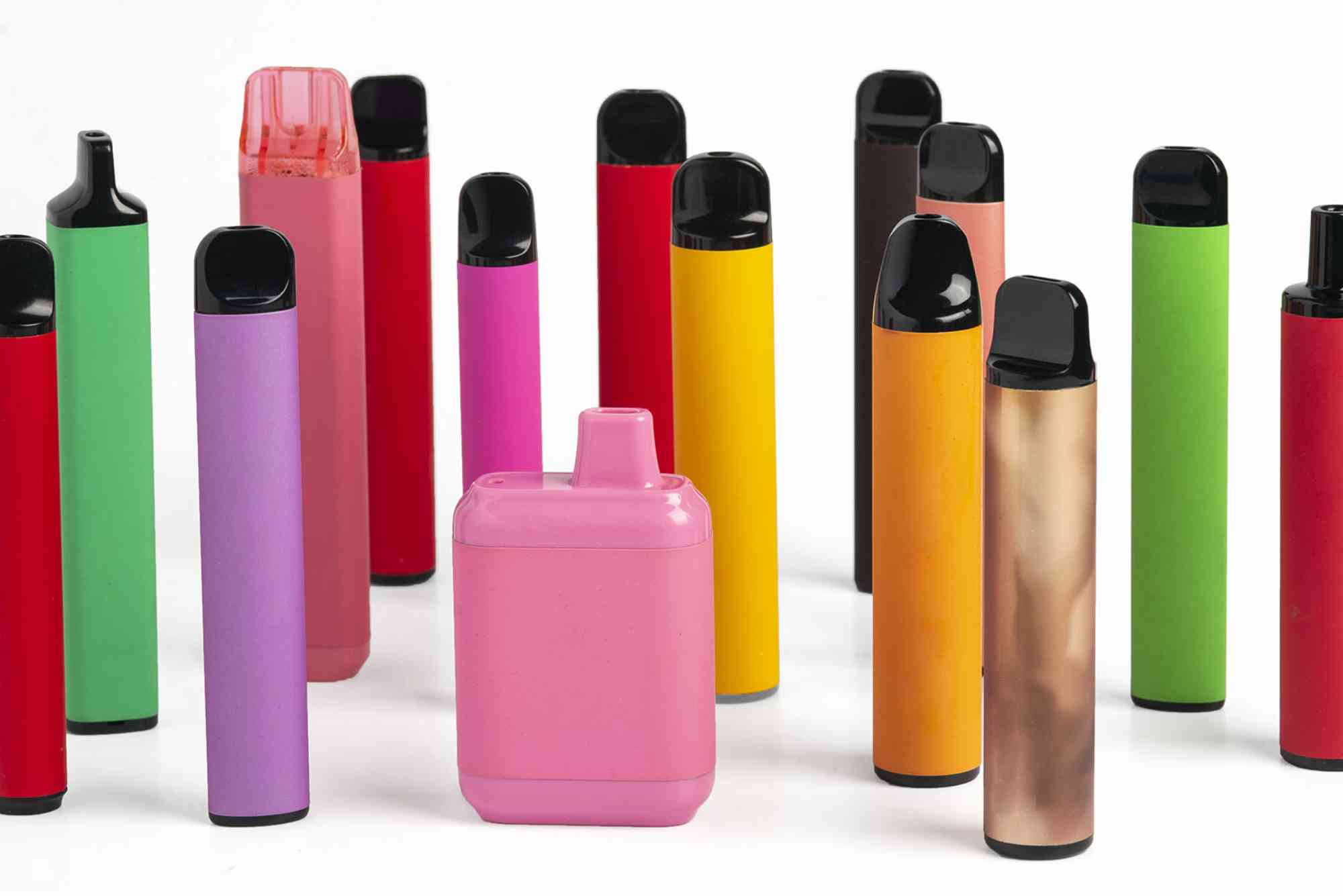
A vape device heats the e-liquid to create an aerosol, commonly referred to as vapor. Users inhale this vapor, which delivers nicotine without the smoke and tar found in cigarettes.
Common Components in Vape Juice
- Nicotine (variable concentration)
- Propylene glycol and vegetable glycerin (base liquids)
- Flavorings
- Sometimes other additives
Key Differences Between Vaping and Smoking
Understanding the difference between vaping and smoking requires looking at various aspects, from the substances inhaled to their effects on the body.
Combustion vs. Vaporization
Smoking burns tobacco, releasing harmful smoke and tar. Vaping heats liquid without combustion, producing vapor instead of smoke. This eliminates many toxic byproducts found in cigarette smoke.
Chemical Exposure
Cigarette smoke contains over 7,000 chemicals, including about 70 known carcinogens. Vape aerosol contains fewer chemicals, but the long-term effects of some flavorings and additives are still being studied.
Nicotine Delivery
Both smoking and vaping deliver nicotine, which is addictive. However, vaping devices often allow users to adjust nicotine levels, potentially enabling gradual reduction.
Smell and Residue
Smoking produces a strong, lingering odor and leaves tar residue. Vaping vapor usually has a milder smell and does not stain surfaces or teeth.
User Experience and Social Impact
Some users find vaping more socially acceptable, as it produces less secondhand exposure. Still, concerns about vaping’s popularity among youth have raised public health discussions.
Impact of Vaping on Health Compared to Smoking
Many people switch to vaping to reduce health risks, but what does science say about vaping health?
Reduced Harm but Not Risk-Free
Vaping is generally considered less harmful than smoking because it eliminates combustion and many toxic chemicals. Public health agencies agree that switching completely from smoking to vaping reduces exposure to harmful substances.
Respiratory Effects
While vaping is less damaging to the lungs than smoking, it can still cause irritation and inflammation. Some studies report cases of lung injury linked to vaping, though often related to illicit or modified products.
Cardiovascular Impact
Nicotine affects heart rate and blood pressure regardless of the source. Vaping may have a lower risk for cardiovascular disease than smoking, but more research is needed.
Addiction Potential
Both methods deliver nicotine, so addiction potential remains. However, vaping’s customizable nicotine levels can help some users wean off nicotine gradually.
Long-Term Data Still Limited
Vaping is relatively new compared to smoking. Scientists continue studying its long-term effects, especially regarding chronic diseases and cancer risk.
How to Choose Between Vaping and Smoking?
For smokers, switching to vaping may reduce some health risks. However, the best choice is to quit nicotine entirely. Here are some factors to consider:
- If you currently smoke, vaping may be a less harmful alternative.
- Avoid vaping if you don’t already use nicotine products.
- Choose regulated, high-quality vaping products.
- Consult healthcare professionals for quitting support.
Frequently Asked Questions About Vaping and Smoking
What is the main difference between vaping and smoking?
The main difference is that smoking burns tobacco, producing harmful smoke, while vaping heats liquid to create vapor without combustion.
Is vaping safer than smoking?
Vaping is generally less harmful than smoking but is not risk-free. It reduces exposure to toxic chemicals found in cigarette smoke.
Can vaping help me quit smoking?
Many people use vaping as a smoking cessation aid, but success varies. It’s best combined with professional support.
Does vaping cause lung cancer?
Current evidence shows vaping exposes users to fewer carcinogens than smoking, but long-term cancer risks remain uncertain.
Is secondhand vapor harmful?
Secondhand vapor contains fewer harmful substances than secondhand smoke, but caution is advised, especially around children and pregnant women.
The difference between vaping and smoking goes beyond just the method of inhaling nicotine. While smoking involves burning tobacco and inhaling toxic smoke, vaping uses vaporization, resulting in fewer harmful chemicals. Although vaping is generally less harmful, it is not without risks. If you are a smoker, switching to vaping can reduce health risks, but the ultimate goal should be to quit nicotine altogether.
If you want to make a positive change for your health, consider exploring vaping as a harm-reduction tool, but always prioritize safety and consult health professionals.
Ready to learn more about quitting smoking or switching to vaping safely? Take the first step today toward better health.