Introduction
Are vapes legal in Utah? This question causes constant confusion. Social media posts, outdated blogs, and word-of-mouth spread mixed messages. Utah has strict public health rules, but vaping is not outright banned. Understanding the law matters for residents, visitors, retailers, and parents.
This guide explains Utah vape laws in plain language. It separates myths from facts. You will learn what is legal, what is restricted, and what can cause penalties. The goal is clarity, not promotion.
Understanding Utah’s Approach to Vaping Laws
Utah takes a public health-first approach. Lawmakers focus on youth prevention and public safety. The state often aligns vaping rules with cigarette laws.
Are vapes legal in Utah under this approach? Yes, but only within defined boundaries. Utah regulates sales, use, packaging, and access.
Why Utah Regulates Vapes Strictly
Utah has one of the lowest smoking rates in the U.S. Leaders want to keep it that way. Vaping laws aim to prevent teen access and reduce public exposure.
The state treats vaping as a tobacco-related product. That classification drives most restrictions.
How State and Local Laws Work Together
State law sets the baseline rules. Cities and counties can add stricter policies. They cannot loosen state rules.
This means legality can vary slightly by location. Always check local ordinances if you travel within Utah.
Are Vapes Legal in Utah for Adults?
Are vapes legal in Utah for adults aged 21 and older? Yes, adults can legally buy and use vaping products.
However, legality does not mean unlimited freedom. Restrictions apply to where you can vape and how products are sold.
Age Restrictions and ID Requirements
Utah follows the federal Tobacco 21 law. You must be 21 to purchase vaping products. Retailers must verify age with valid identification.
Selling to anyone under 21 is illegal. Penalties apply to both buyers and sellers.
Purchasing Vapes in Utah
Adults can buy vapes from licensed retailers. Online sales are heavily regulated. Many companies avoid shipping to Utah due to compliance rules.
Retailers must register and follow state reporting requirements. This helps enforcement agencies track sales.
Where Vaping Is Legal and Illegal in Utah
Many people assume vaping is allowed anywhere smoking is banned. In Utah, that assumption is correct.
Utah Indoor Clean Air Act and Vaping
The Utah Indoor Clean Air Act includes electronic cigarettes. Vaping is banned in indoor workplaces and public spaces.
This includes offices, restaurants, bars, and public transportation. Private homes are exempt unless used as childcare facilities.
Outdoor and Public Space Restrictions
Outdoor vaping depends on the property owner. Schools, playgrounds, and government properties often ban vaping entirely.
Local governments may add outdoor restrictions. Always look for posted signage.
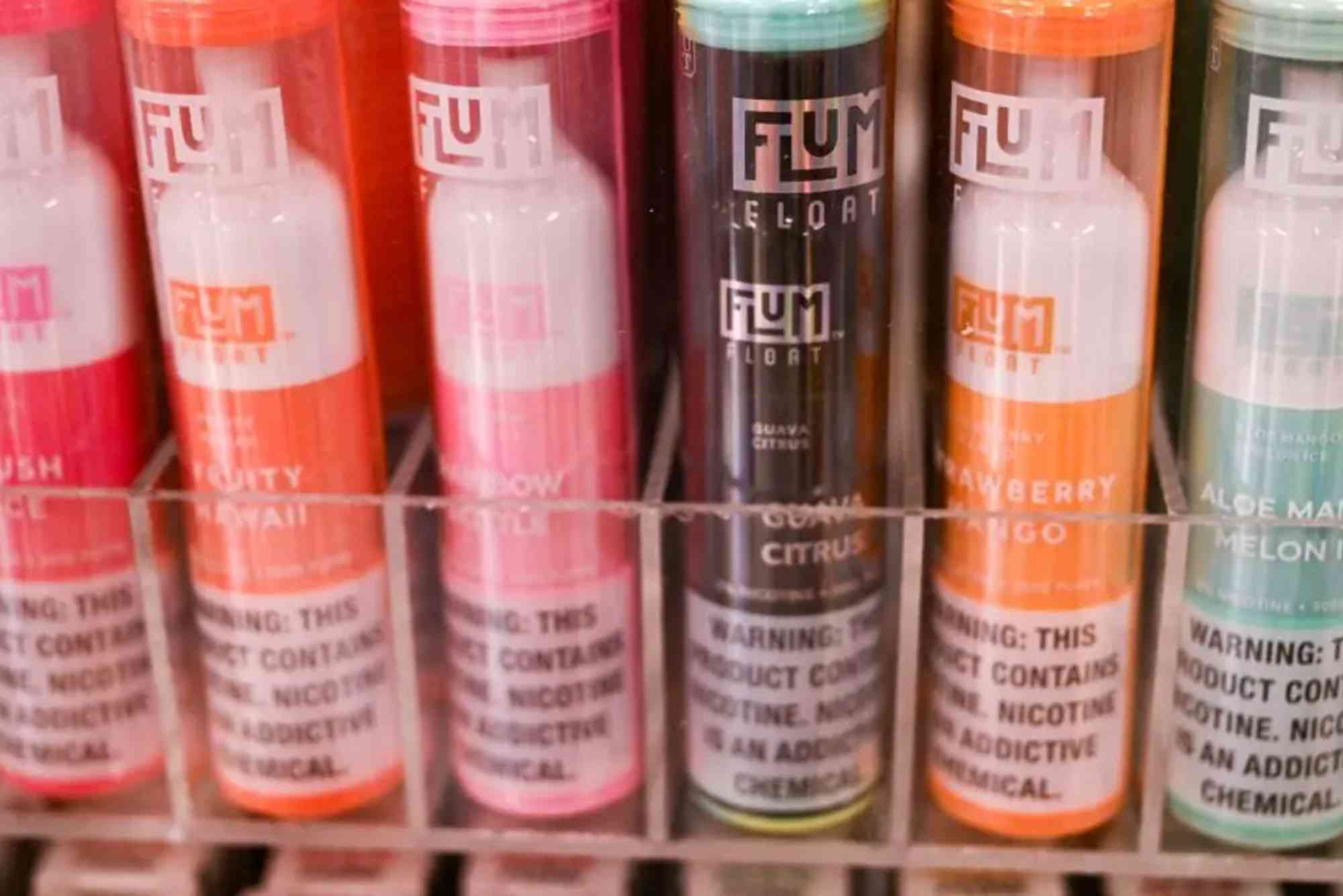
Flavored Vapes and Product Restrictions
Are vapes legal in Utah when it comes to flavors? Yes, but with important limits.
Utah does not have a full flavor ban like some states. Still, marketing and packaging face scrutiny.
Youth-Oriented Packaging Rules
Products that appeal to minors can be restricted. Packaging resembling candy or cartoons raises red flags.
Regulators focus on intent and presentation. The goal is reducing youth attraction.
Nicotine Strength and Product Standards
Utah follows federal product standards. Nicotine content must meet labeling rules. Tampering or mislabeling can trigger enforcement.
Unapproved or counterfeit products are illegal to sell.
Penalties for Violating Utah Vape Laws
Breaking vape laws in Utah carries real consequences. These penalties aim to deter misuse and illegal sales.
Penalties for Retailers
Retailers face fines, license suspension, or closure. Repeated violations increase penalties quickly.
Selling to minors is taken very seriously. Compliance checks are common.
Penalties for Individuals
Minors caught possessing vapes may face fines or education programs. Adults vaping in prohibited areas can receive citations.
Penalties vary by city and offense history.
Common Myths About Utah Vape Laws
Confusion thrives when myths spread unchecked. Let’s clear up common false claims.
Vaping Is Completely Banned in Utah
This is false. Are vapes legal in Utah? Yes, for adults. Restrictions exist, but no total ban applies statewide.
You Can Vape Anywhere Outdoors
Also false. Many outdoor areas restrict vaping. Schools and parks often prohibit it.
Online Vape Purchases Are Easy
In reality, online sales face shipping and verification hurdles. Many vendors decline Utah orders.
How Utah Compares to Other States
Utah sits on the stricter side nationally. Still, it is not the harshest.
Some states ban flavors entirely. Others allow wider public use. Utah focuses on control rather than prohibition.
Understanding this context helps travelers and new residents avoid surprises.
Where to Find Official Utah Vape Law Sources
For the most accurate information, rely on primary sources. Laws change, and summaries can become outdated.
The Utah State Legislature — vaping statutes & restrictions provide current legal language and updates. You can review statutes directly through to confirm details.
Checking official sources reduces risk and confusion.
FAQs
Are vapes legal in Utah for tourists?
Yes, adult tourists can legally purchase and use vapes. All state and local restrictions still apply.
Can you vape in your car in Utah?
Vaping in a private car is legal. If minors are present, other laws may apply. Local rules can vary.
Are flavored vapes banned in Utah?
No statewide flavor ban exists. Marketing to minors is restricted. Some local rules may apply.
Can colleges ban vaping on campus?
Yes, colleges can enforce campus-wide bans. Many Utah campuses prohibit vaping entirely.
Do you need a license to sell vapes in Utah?
Yes, retailers must register and comply with state requirements. Selling without authorization is illegal.
Are vapes legal in Utah? Yes, but only within a strict legal framework. Utah prioritizes public health and youth protection. Adults can vape legally, yet location, sales, and marketing rules matter.
Misunderstanding the law can lead to fines or worse. Staying informed protects both consumers and businesses.