Introduction
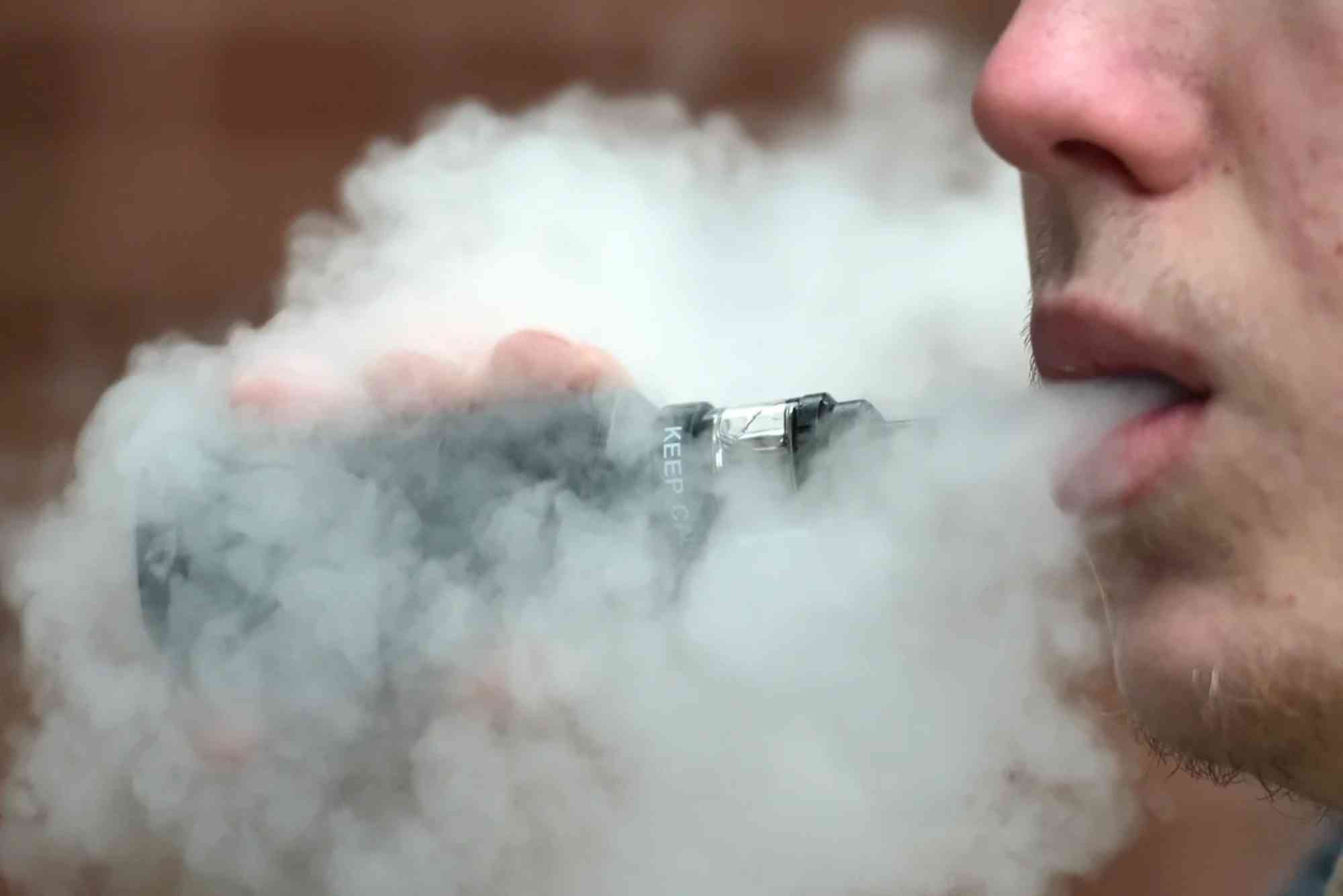
Vaping has grown into a global trend, offering an alternative to smoking traditional cigarettes. However, each country sets its own rules about how e-cigarettes and vaping products can be sold, purchased, and used. If you are planning to travel to Bulgaria or live there, one question you may be asking is: are vapes illegal in Bulgaria? The answer is important, not just for avoiding legal issues, but also for understanding the health implications tied to vaping in the region. In this guide, we will explore Bulgaria’s vaping laws, how they affect residents and tourists, and the potential health consequences that come with vaping.
Vaping Legality in Bulgaria – What You Need to Know
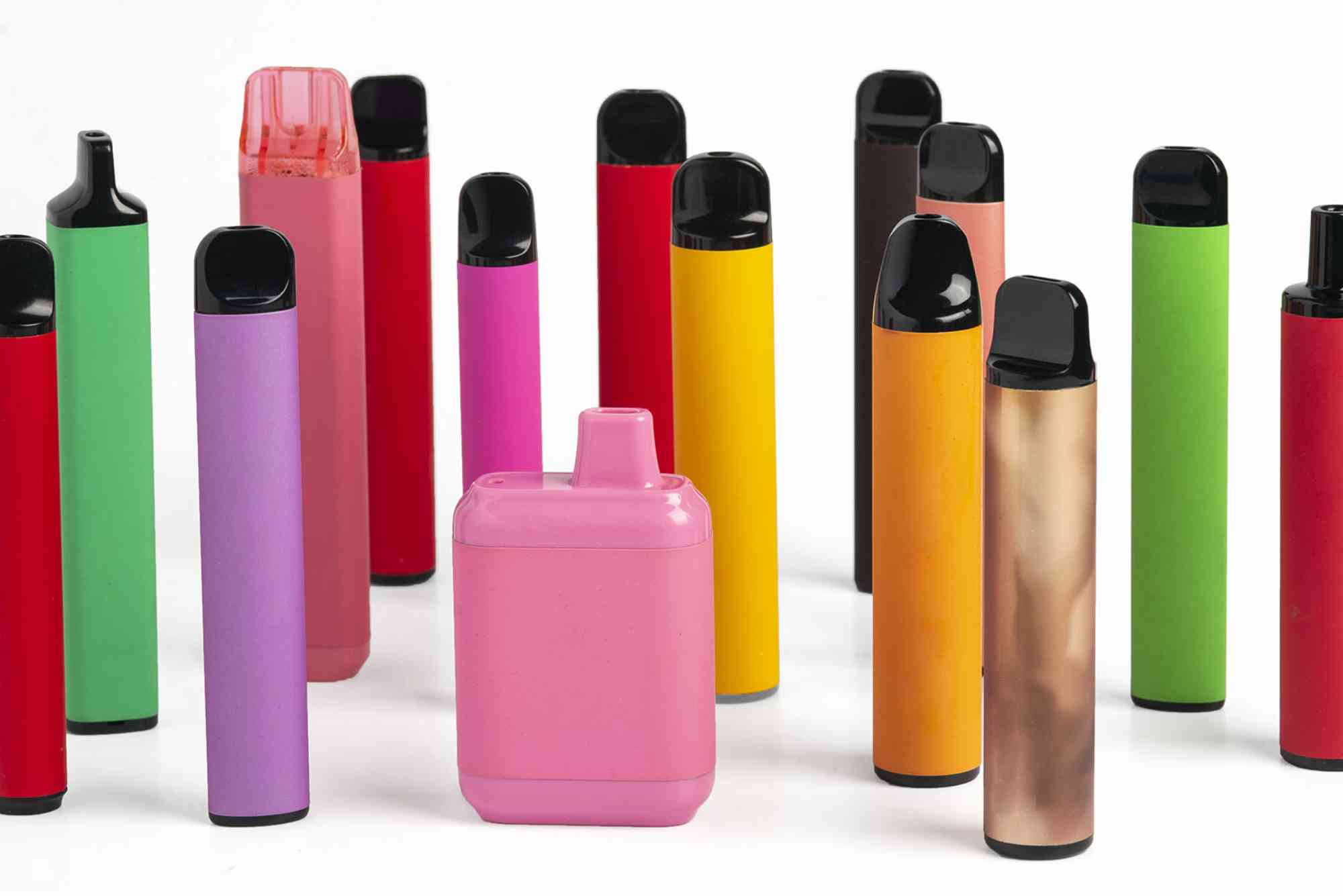
The question are vapes illegal in Bulgaria can be answered simply: vaping is legal in Bulgaria, but it is regulated. This means you can use, buy, and possess vaping devices and e-liquids, but you must comply with the national and EU laws governing tobacco and nicotine products. Bulgaria, as a member of the European Union, follows the EU Tobacco Products Directive (TPD), which places strict requirements on how e-cigarettes are manufactured, packaged, and sold.
Under the TPD, e-liquid nicotine content is limited to 20 mg/ml. E-cigarette tanks and refill containers cannot exceed certain sizes — tanks must not be bigger than 2ml, and refill bottles must be 10ml or less. All vaping products must come with health warnings and child-resistant packaging. Advertising and promotion of vaping products are heavily restricted, especially to minors, and online sales across borders can also be regulated or banned.
While public vaping is not outright prohibited in every location, Bulgaria’s public health laws allow authorities to ban smoking and vaping in specific areas, including schools, hospitals, and enclosed public spaces. Violating these rules can result in fines, and both locals and tourists are expected to respect them.
Buying Vapes in Bulgaria – What’s Allowed
If you are visiting Bulgaria, you will find vaping products widely available in tobacco shops, convenience stores, and some supermarkets. The sale of vapes is restricted to people aged 18 and over. Retailers are required to check IDs if there is any doubt about a buyer’s age.
Online purchases from within Bulgaria are generally legal, but importing vaping products from outside the EU can be complicated due to customs regulations. Some international sellers may not ship to Bulgaria because of the EU’s strict compliance requirements.
Traveling to Bulgaria with Vapes
Tourists often wonder if they can bring their vapes into Bulgaria without trouble. The short answer is yes, but only for personal use. If you bring an unusually large quantity of vaping products, customs officers may suspect you are importing for commercial purposes, which would require proper licensing. Airlines also have their own rules — generally, e-cigarettes should be kept in carry-on luggage, not checked bags, and e-liquid quantities must meet airline liquid restrictions.
When vaping in public as a visitor, it is wise to observe local customs and follow any posted rules. In many indoor places, vaping is treated the same as smoking and can be prohibited.
Why Regulations Exist – Health and Safety Concerns
The reason regulations are in place is not only to control sales but also to protect public health. While vaping is often marketed as a less harmful alternative to smoking, it is not without health risks. The long-term effects of inhaling vaporized e-liquid are still being studied, and evidence shows that vaping can cause respiratory irritation, increased heart rate, and nicotine addiction.
In Bulgaria, as in the rest of the EU, health authorities aim to prevent underage use and protect non-smokers from exposure to secondhand vapor. By limiting nicotine strength and requiring clear labeling, lawmakers hope to make vaping safer for adults while discouraging experimentation by minors.
The Impact of Vaping on Public Health in Bulgaria
Bulgaria has one of the highest smoking rates in Europe, which is why vaping has attracted attention as a possible harm-reduction tool. Some adult smokers switch to vaping in an attempt to quit cigarettes, and research suggests that e-cigarettes may expose users to fewer toxic chemicals than tobacco smoke. However, public health experts warn that vaping should not be seen as completely risk-free.
One concern is dual use — when smokers use both cigarettes and e-cigarettes instead of quitting entirely. This can reduce the potential health benefits and prolong nicotine dependency. Another concern is that flavored e-liquids may attract young people who have never smoked before, leading them into nicotine addiction.
In Bulgaria, health campaigns focus on discouraging all forms of nicotine use among youth, and vaping is often included alongside smoking in public awareness programs.
How Bulgarian Vaping Laws Compare to Other Countries
Compared to some countries, Bulgaria’s laws on vaping are moderate. Nations like Thailand and Singapore have outright bans on e-cigarettes, making possession illegal. Others, such as the UK, also follow the EU’s TPD rules but actively promote vaping as a smoking cessation tool.
Bulgaria’s approach is to regulate, not ban, which allows adults to choose vaping while keeping controls in place to minimize risks. This balanced policy reflects both the EU’s harm-reduction stance and national health concerns.
The Future of Vaping Laws in Bulgaria
Like many countries, Bulgaria may adjust its vaping laws as more research emerges. The EU continues to review its Tobacco Products Directive, and new scientific findings could lead to stricter rules on flavors, nicotine strength, or packaging. There is also a possibility of introducing taxes on vaping products to reduce consumption and raise public health funds.
Public opinion will also influence future regulations. If vaping continues to be linked with youth use or health issues, lawmakers may impose tougher restrictions. On the other hand, if it proves effective in helping smokers quit, policies could focus on promoting vaping as a harm-reduction method under controlled conditions.
Health Tips for Vapers in Bulgaria
If you choose to vape in Bulgaria, following some health-conscious practices can help reduce risks. Use only regulated products that meet EU standards to avoid dangerous counterfeit devices. Keep nicotine levels low to minimize addiction. Stay hydrated, as vaping can cause dry mouth. Avoid using vaping products around children or in crowded indoor spaces. If you are a smoker trying to quit, set a clear plan to eventually reduce and stop nicotine use entirely.
FAQs
Can you vape in public in Bulgaria?
Yes, but not everywhere. Many indoor public places ban vaping just like smoking, and you should follow local rules.
What is the legal age for buying vapes in Bulgaria?
You must be at least 18 years old to buy vaping products in Bulgaria.
Can I bring my vape to Bulgaria on a plane?
Yes, but carry it in your hand luggage, and follow airline and liquid regulations.
Is flavored vape juice allowed in Bulgaria?
Yes, but it must comply with EU standards, and certain ingredients may be restricted.
Are nicotine-free vapes regulated?
Yes, even nicotine-free e-liquids must follow safety and labeling rules in the EU.
To answer the question are vapes illegal in Bulgaria, vaping is legal but strictly regulated under both Bulgarian law and EU rules. This means adults can enjoy vaping within the law, but minors are protected from easy access, and public health concerns remain a priority. Understanding the rules before traveling or purchasing products is essential to avoid fines and stay safe.
If you vape, take steps to protect your health — choose quality products, avoid excessive nicotine use, and be mindful of where you vape. Whether you are a resident or a visitor, respecting Bulgaria’s vaping laws helps maintain both your freedom to vape and the country’s commitment to public health.