Introduction
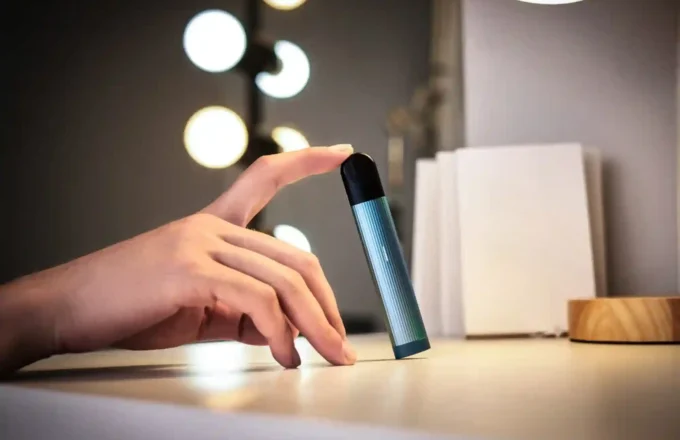
Fashion is constantly evolving, influenced by technology, social media, lifestyle choices, and changing consumer interests. Over recent years, vaping culture has also appeared in conversations about modern streetwear, personal accessories, and contemporary lifestyle aesthetics. However, its future relationship with fashion will depend on changing social attitudes, regulations, and consumer preferences. The Future of Vaping Fashion: Predictions for 2026 and Beyond offers an interesting perspective on how these cultural influences may develop.
As fashion moves toward more personalized and technology-driven experiences, brands are exploring fresh ways to connect with different audiences. Digital communities, innovative materials, minimalist designs, and individual expression are becoming important influences. At the same time, fashion companies must consider responsible marketing, particularly when products are associated with nicotine or age-restricted activities.
Looking ahead, vaping-related aesthetics may influence certain fashion conversations without making vaping itself a mainstream fashion statement. Understanding these developments helps explain where fashion trends are heading next and how lifestyle industries might respond.
The Future of Vaping Fashion: Changing Cultural Influences
Fashion has always reflected the interests and attitudes of different generations. Music, entertainment, technology, and online communities frequently influence clothing choices. Vaping culture has occasionally appeared within these broader lifestyle discussions, particularly through product design and visual aesthetics.
Nevertheless, the relationship between vaping and fashion is not straightforward. Clothing brands, designers, and lifestyle companies operate within different markets. Some may explore futuristic visual themes, while others prefer traditional fashion influences.
In 2026, individuality is expected to remain an important fashion consideration. Consumers increasingly appreciate clothing that communicates personal taste rather than following every popular trend. This creates opportunities for distinctive graphics, experimental accessories, and creative styling.
However, fashion businesses should avoid presenting nicotine consumption as fashionable or desirable. Responsible communication and clear separation between clothing design and regulated products will remain essential.
Technology Will Influence Future Fashion Designs
Technology continues to transform the fashion industry. Digital design software, artificial intelligence, smart fabrics, and personalized shopping experiences are changing how designers develop collections.
These developments may also influence the visual language associated with modern vaping culture. Futuristic shapes, metallic finishes, compact designs, and minimalist product aesthetics already appear across various technology-inspired fashion collections.
Minimalist and Futuristic Visual Elements
Minimalism is likely to remain influential beyond 2026. Clean silhouettes, neutral colors, geometric patterns, and subtle detailing offer versatile styling opportunities.
Technology-inspired accessories may complement these designs through metallic textures and contemporary shapes. Rather than making vaping devices fashion accessories, designers can explore similar futuristic aesthetics through conventional products such as watches, bags, jewelry, and eyewear.
Personalization and Digital Fashion
Personalization is another important development. Consumers increasingly expect products that reflect their individual preferences.
Digital platforms allow designers to experiment with patterns, colors, and virtual clothing concepts. Artificial intelligence can also help brands understand emerging design preferences.
These technologies may influence lifestyle-inspired fashion collections. However, their commercial success will depend on practical value, creativity, and consumer demand.
Streetwear Will Continue Shaping Modern Lifestyle Fashion
Streetwear has become an established part of contemporary fashion. Its influence extends beyond clothing into music, sports, entertainment, and digital communities.
Oversized hoodies, graphic T-shirts, relaxed trousers, sneakers, and statement accessories remain recognizable elements of this style. Online communities also help emerging streetwear aesthetics reach international audiences.
Vaping references sometimes appear in streetwear-inspired imagery. However, the future of streetwear will likely depend more heavily on artistic identity, cultural storytelling, and originality.
Graphic Designs and Creative Expression
Graphic clothing provides designers with opportunities to communicate ideas visually. Abstract artwork, futuristic typography, geometric illustrations, and digital-inspired patterns can create distinctive collections.
Designers may explore these elements without promoting nicotine products. This approach allows fashion businesses to capture contemporary visual influences while maintaining responsible brand positioning.
The Growing Importance of Individual Style
Modern consumers increasingly combine different fashion influences. Someone might pair vintage sneakers with oversized clothing and minimalist accessories.
This freedom encourages designers to develop flexible collections. Rather than relying on a single lifestyle trend, successful fashion brands can focus on creativity and practical everyday styling.
Vape-Inspired Accessories and the Future of Fashion
Accessories play an important role in completing personal outfits. Watches, sunglasses, jewelry, bags, and phone accessories can influence the overall appearance of an outfit.
The visual design associated with modern technology may inspire certain accessory collections. Metallic surfaces, smooth finishes, compact shapes, and contemporary color combinations are examples of design features that cross different industries.
However, the future of fashion accessories should focus on wearable products rather than encouraging nicotine consumption.
Jewelry and Contemporary Design
Contemporary jewelry increasingly explores unusual shapes, industrial finishes, and minimalist construction. These design directions offer opportunities for creative experimentation.
Designers can incorporate futuristic influences through stainless steel, recycled metals, geometric pendants, and unconventional textures. Such pieces can appeal to consumers interested in modern aesthetics without being connected to vaping products.
Functional Accessories and Everyday Fashion
Practicality will remain important in accessory design. Consumers want products that combine attractive appearances with everyday usefulness.
Compact bags, protective phone cases, reusable fashion accessories, and versatile watches can satisfy these expectations. Designers who balance functionality and appearance may find stronger opportunities in future fashion markets.
Sustainability Will Become More Important
Sustainability is one of the major conversations shaping the fashion industry. Consumers, manufacturers, and retailers are paying greater attention to materials, production methods, packaging, and product lifecycles.
This issue is particularly relevant when discussing technology-related lifestyle products. Electronic devices can create environmental challenges because of batteries, plastic components, and electronic waste.
Fashion brands should therefore distinguish sustainable clothing practices from claims about vaping products. Responsible design requires measurable improvements rather than attractive environmental marketing.
Recycled Materials and Responsible Manufacturing
Recycled fabrics, responsibly sourced materials, and durable construction can help reduce fashion waste. Some brands are also exploring repair services and resale programs.
These approaches encourage consumers to purchase products with longer lifespans. They also provide opportunities for designers to create collections that combine contemporary aesthetics with environmental responsibility.
The Importance of Electronic Waste Awareness
Electronic waste deserves particular attention when lifestyle discussions include vaping devices. Batteries and electronic components require appropriate collection and disposal.
Fashion brands should not promote disposable electronics as sustainable accessories. Instead, future design conversations should emphasize responsible manufacturing, product longevity, and proper waste management.
Social Media Will Influence Future Fashion Trends
Social media has transformed how fashion trends emerge and spread. Platforms such as Instagram, TikTok, and Pinterest allow designers, creators, and consumers to share visual inspiration.
Aesthetic trends can become popular quickly through short videos, photographs, and online discussions. Nevertheless, not every viral trend becomes a lasting commercial movement.
In 2026 and beyond, fashion brands will need authentic identities and consistent creative direction. Simply attaching their products to trending lifestyle subjects may not generate lasting customer interest.
Influencers and Fashion Communities
Fashion influencers can introduce audiences to emerging designers and creative styling ideas. Their content often combines clothing recommendations, personal experiences, and visual storytelling.
However, brands associated with regulated products must follow applicable advertising restrictions. Marketing should never target minors or encourage underage nicotine use.
Responsible fashion creators can instead focus on clothing, accessories, and artistic expression independently of nicotine consumption.
Short-Form Video and Visual Storytelling
Short-form videos make it easier to demonstrate how outfits work together. Designers can showcase fabrics, styling techniques, seasonal collections, and creative processes.
This format also helps smaller fashion businesses reach audiences without requiring traditional advertising campaigns.
Authentic storytelling, original designs, and useful fashion advice will remain valuable as social platforms continue evolving.
Fashion Brands Will Focus on Responsible Brand Identity
The future of vaping-related fashion discussions will also depend on responsible branding. Companies must understand the difference between fashion inspiration and promoting regulated products.
This distinction matters because nicotine products are subject to different advertising and marketing restrictions across countries.
Fashion brands can explore futuristic design themes without presenting vaping as a symbol of success, attractiveness, or social status.
Understanding Changing Regulations
Regulations surrounding vaping vary between countries and regions. Restrictions may cover advertising, packaging, online promotion, product sales, and age verification.
Businesses operating internationally must understand these differences before developing marketing campaigns.
A responsible strategy should prioritize legal compliance and avoid imagery that appeals to children or teenagers.
Building Trust Through Authenticity
Consumer trust is essential for long-term brand development. Fashion businesses can strengthen their reputations through transparent sourcing, honest product descriptions, and responsible advertising.
Brands should also avoid unsupported environmental or health-related claims.
In the long term, authentic communication will be more valuable than temporarily connecting a clothing collection with a controversial lifestyle trend.
What Fashion Trends Could Look Like Beyond 2026
The next stage of fashion will likely combine creativity, technology, sustainability, and personalization. These developments are already influencing designers across different clothing categories.
Futuristic aesthetics may become more visible through metallic accessories, innovative fabrics, digital artwork, and experimental silhouettes. Meanwhile, streetwear will continue evolving through collaborations and cultural influences.
The vaping industry may remain part of broader lifestyle discussions. However, its influence on mainstream fashion is uncertain and should not be confused with an established fashion movement.
Fashion designers can learn from changing consumer interests without directly promoting nicotine products. This approach creates more opportunities for original designs and responsible creative expression.
Industry research also provides useful context for understanding changing consumer expectations. McKinsey’s fashion industry insights explore business developments, consumer behavior, and emerging market challenges. Readers interested in understanding these developments can explore its report on the State of Fashion.
Understanding these wider developments helps designers recognize where fashion trends are heading next. It also highlights why successful fashion businesses must balance innovation with consumer trust and commercial responsibility.
Challenges Facing Vaping-Related Fashion Trends
Despite growing interest in technology-inspired aesthetics, several challenges could influence this relationship.
First, public attitudes toward vaping differ significantly across markets. Health concerns and changing regulations may limit how fashion businesses discuss vaping-related themes.
Second, sustainability remains a major challenge. Disposable electronic products and battery waste raise environmental questions that cannot be solved through attractive packaging or fashion-focused marketing.
Third, fashion trends change quickly. A design that attracts attention today may lose relevance within a few months.
Finally, brands must understand their audiences. Products and campaigns should follow applicable age restrictions and avoid encouraging nicotine consumption.
These challenges demonstrate why the future of vaping fashion requires careful consideration. Fashion innovation should prioritize creativity, functionality, and responsible business practices.
Conclusion
The Future of Vaping Fashion: Predictions for 2026 and Beyond reflects a wider conversation about technology, lifestyle, design, and changing cultural influences. While vaping-related aesthetics may occasionally inspire contemporary fashion discussions, their long-term influence remains uncertain.
Vape-inspired fashion accessories are gaining attention through modern designs, creative aesthetics, and bold personal styling. From minimalist carrying cases to contemporary apparel details, these trends reflect how niche lifestyle influences can shape fashion conversations. Discover how emerging styles, innovative designs, and changing preferences are influencing the latest accessory trends.
Frequently Asked Questions
What are the biggest fashion trends expected in 2026?
Technology-inspired designs, personalized clothing, sustainable materials, contemporary streetwear, and minimalist accessories are important trends to watch. Their popularity will vary across markets and consumer groups.
How does vaping culture influence fashion?
Vaping culture occasionally appears in lifestyle imagery and discussions about contemporary aesthetics. However, its influence on mainstream fashion remains limited and varies between communities.
Is streetwear still popular in 2026?
Yes, streetwear remains an established fashion category. Oversized clothing, graphic designs, comfortable sneakers, and creative collaborations continue influencing modern styling.
What is the future of fashion accessories?
Fashion accessories are likely to feature more personalization, innovative materials, practical designs, and technology-inspired aesthetics. Durability and versatility will also remain important.
Will sustainability shape fashion trends beyond 2026?
Yes, sustainability is expected to remain an important industry consideration. Recycled materials, responsible manufacturing, durable clothing, and waste reduction will influence future business decisions.
How will technology change the fashion industry?
Artificial intelligence, digital design tools, smart fabrics, and virtual shopping experiences may transform how fashion products are created, marketed, and purchased.
Explore the latest trends, insights, and innovations in the vaping industry with VaporWhirl. Whether you’re interested in vaping technology, product developments, or industry updates, VaporWhirl offers useful information to help readers stay informed. Discover fresh perspectives, learn about emerging trends, and explore the evolving world of vaping through VaporWhirl.com, your destination for vaping-related knowledge and updates.