Introduction
The relationship between fashion and lifestyle culture continues to evolve. In 2025, the vape industry has become part of wider conversations about personal style, consumer identity, and modern design. From minimalist product aesthetics to streetwear-inspired branding, vaping-related imagery increasingly appears in discussions about contemporary fashion. This development reflects broader changes in how younger adult audiences encounter lifestyle products and visual trends. Understanding How the Vape Industry is Changing the Fashion Scene in 2025 requires looking beyond products. It also involves examining branding, social media, cultural influences, and changing consumer expectations.
Fashion has always reflected society’s interests. Music, technology, entertainment, and popular culture influence clothing choices. The vape industry has entered this wider cultural conversation through distinctive product designs and visual marketing. However, its influence should not be confused with universal fashion acceptance. Many designers and consumers remain critical of promoting nicotine products. Nevertheless, the relationship between product aesthetics and lifestyle branding deserves attention.
The Connection Between Vape Culture and Modern Fashion
Fashion is no longer limited to clothing and traditional accessories. It includes personal expression, visual identity, and lifestyle preferences. In this environment, the vape industry’s design language has become recognizable within certain cultural spaces.
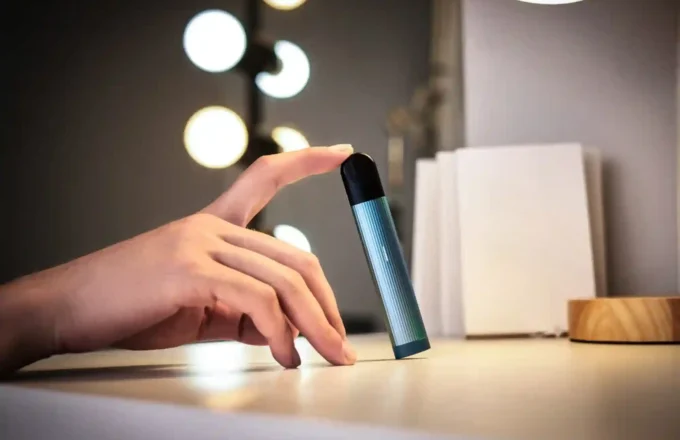
Modern vape devices often feature compact shapes, metallic finishes, colorful surfaces, and minimalist details. These characteristics resemble design elements found in contemporary electronics and fashion accessories. Consequently, conversations about How the Vape Industry is Changing the Fashion Scene in 2025 increasingly involve product aesthetics.
Streetwear culture provides another interesting connection. Streetwear traditionally draws inspiration from music, technology, skateboarding, and urban communities. Some fashion discussions now reference vaping imagery alongside these influences. However, this does not mean vaping defines streetwear or represents its entire audience.
How Vape Device Designs Influence Fashion Aesthetics
Product design plays an important role in shaping consumer perceptions. A visually distinctive product can become recognizable through its colors, materials, and overall appearance.
Minimalist Designs and Contemporary Style
Minimalism remains an important influence across fashion and technology. Clean surfaces, simple shapes, and understated finishes appeal to consumers who appreciate modern design. Similar visual characteristics appear in some vape devices.
This shared aesthetic creates interesting connections between technology-inspired accessories and contemporary fashion. Matte finishes, metallic details, and geometric shapes also appear in watches, bags, and electronic accessories.
However, visual similarity does not automatically make vaping products fashion accessories. Their appearance represents a design trend rather than evidence of broader social acceptance.
Colors, Materials, and Visual Identity
Color selection strongly influences product branding. Some manufacturers use bright shades and contrasting finishes to create recognizable designs. Others prefer neutral colors and understated surfaces.
These approaches reflect wider fashion principles. Designers frequently use color and texture to communicate personality and brand identity. The same principles influence packaging and product presentation across different industries.
In 2025, consumers increasingly encounter these visual approaches through digital advertising and product photography. This makes design consistency an important part of modern branding.
The Role of Streetwear in Vape-Related Fashion Trends
Streetwear has developed into a major international fashion category. Its influence extends across sneakers, graphic clothing, accessories, music, and digital communities.
The relationship between streetwear and vaping culture is sometimes visible in lifestyle photography and independent fashion discussions. Certain visual campaigns combine urban settings, contemporary clothing, and technology-inspired imagery.
Nevertheless, streetwear remains a diverse cultural movement. Its identity comes from multiple communities and creative traditions. Vaping should be understood as one subject appearing within some lifestyle conversations, not as the foundation of the movement.
Graphic Design and Urban Visual Culture
Graphic design is essential to modern streetwear. Bold typography, experimental illustrations, and distinctive color combinations help clothing brands establish recognizable identities.
Similar techniques appear in branding across the vaping and consumer electronics industries. Packaging, promotional photography, and digital graphics often use contemporary visual styles.
This creates opportunities for designers to explore shared aesthetics without encouraging nicotine consumption. Fashion-inspired artwork can reference technology, urban environments, and abstract product design independently.
Social Media and the Changing Fashion Conversation
Social media has transformed how consumers discover fashion trends. Platforms such as Instagram, TikTok, and Pinterest distribute visual content rapidly. Trends can move between communities through photographs, short videos, and creator discussions.
The vape industry has also operated within this digital environment. Product photography and lifestyle branding have influenced how some consumers recognize particular design styles.
However, advertising nicotine and tobacco-related products is subject to important legal and platform restrictions. Responsible fashion publishers should avoid promotional content targeting young audiences or presenting nicotine use as fashionable.
Influencers and Digital Brand Identity
Influencers have changed how fashion brands communicate with audiences. Their content often combines clothing, personal interests, technology, and everyday experiences.
This development has encouraged brands across different industries to pay greater attention to visual storytelling. The vape industry’s branding conversations reflect the same broader shift.
Fashion publishers should distinguish between discussing design trends and endorsing nicotine products. This distinction protects editorial credibility and supports responsible communication.
Fashion Industry Shifts and Consumer Behavior
The relationship between product design and fashion reflects wider changes in shopping habits. Consumers increasingly evaluate brands through appearance, values, convenience, and digital experiences.
Understanding fashion industry shifts and consumer behavior provides useful context for examining these developments. Fashion businesses must respond to changing expectations while maintaining distinctive identities. Design innovation, sustainability, and digital engagement remain important considerations.
The vaping industry operates within this broader consumer environment. Its visual branding demonstrates how products compete for attention through packaging and presentation. However, fashion relevance does not establish product safety or make nicotine consumption beneficial.
Changing Expectations Around Product Design
Modern consumers frequently expect products to combine attractive design with practical functionality. This expectation influences electronics, accessories, beauty products, and lifestyle merchandise.
The same design principles appear in discussions about vape devices. Compact construction, recognizable finishes, and coordinated colors can influence product presentation.
For fashion businesses, the wider lesson involves understanding how appearance affects purchasing decisions. Strong visual identities can help brands communicate their values more effectively.
Sustainability and Ethical Considerations
Sustainability has become an important subject across the global fashion industry. Consumers increasingly question manufacturing practices, packaging waste, material sourcing, and product disposal.
The vaping industry faces related environmental challenges. Disposable electronic devices contain batteries, electronic components, and materials requiring appropriate waste management.
These concerns create an important distinction between attractive design and responsible production. A product can appear stylish while still creating environmental problems.
Fashion brands exploring technology-inspired aesthetics should consider material choices and manufacturing practices. Reusable materials, responsible sourcing, and transparent supply chains can strengthen genuine sustainability efforts.
Responsible Design and Environmental Awareness
Electronic waste requires proper handling and disposal. Batteries and electronic components should never be treated as ordinary household rubbish where specialist recycling is available.
Brands should communicate disposal instructions clearly. They should also avoid presenting disposable products as environmentally friendly without credible supporting evidence.
Sustainable fashion requires more than attractive packaging. It depends on measurable improvements throughout the product lifecycle.
The Future of Fashion and Vape-Inspired Design
The relationship between technology, lifestyle branding, and fashion will continue evolving. However, future developments will depend on consumer preferences, regulations, and environmental expectations.
Fashion designers may continue borrowing visual ideas from consumer electronics. Metallic finishes, streamlined shapes, and futuristic graphics already appear across many product categories.
These influences do not require fashion brands to promote vaping. Designers can explore similar aesthetics through harmless accessories, wearable technology, and original creative concepts.
Technology-Inspired Fashion Beyond Vaping
Smart accessories, digital watches, wireless headphones, and wearable devices demonstrate how technology influences contemporary style.
These products combine functionality with visual appeal. Their designs often influence clothing collections, photography, and lifestyle branding.
This wider movement offers a more sustainable creative direction. Designers can explore futuristic materials and electronic-inspired aesthetics without relying on nicotine-related imagery.
How Fashion Brands Can Respond to Changing Trends
Fashion companies should approach emerging lifestyle influences carefully. Following every popular trend does not guarantee long-term success. Brands need clear identities and responsible communication strategies.
Understanding consumer interests can help businesses identify meaningful design opportunities. Market research, customer feedback, and cultural awareness provide valuable insights.
Fashion brands should also consider advertising regulations. Nicotine-related promotions can face significant restrictions depending on the market. Companies must avoid marketing that glamorizes nicotine use or appeals to minors.
The strongest creative strategies focus on originality, product quality, and ethical responsibility. These principles help businesses remain relevant while protecting consumer trust.
Conclusion
The discussion surrounding How the Vape Industry is Changing the Fashion Scene in 2025 highlights the growing relationship between product aesthetics, technology, and lifestyle branding. Minimalist designs, metallic finishes, digital storytelling, and streetwear influences demonstrate how different industries share creative ideas.
However, fashion influence should not be confused with promoting nicotine consumption. Environmental concerns, advertising restrictions, and public health considerations remain essential.
Vaping and streetwear have become connected through modern design, urban culture, and personal expression. From bold graphics to sleek accessories, vape culture has influenced emerging fashion aesthetics and lifestyle trends. Discover how this evolving connection between vaping and streetwear reflects changing tastes, creative identity, and contemporary fashion influences.
Frequently Asked Questions
How is the vape industry influencing fashion in 2025?
The vape industry influences some fashion conversations through product aesthetics, minimalist designs, colorful finishes, and technology-inspired branding. Its cultural visibility remains limited and varies across communities.
Why are vape-inspired designs associated with streetwear?
Some visual elements overlap with streetwear aesthetics. Metallic finishes, bold graphics, and futuristic styling appear across different consumer industries. These similarities do not mean vaping defines streetwear culture.
Does social media influence vape-related fashion trends?
Social media influences how audiences discover visual styles and lifestyle content. However, nicotine-related advertising faces legal and platform restrictions. Responsible publishers must follow applicable advertising rules.
What role does product design play in fashion?
Product design influences visual identity through materials, colors, shapes, and finishes. These elements can inspire creative ideas across fashion, electronics, and accessory design.
Is sustainability important to the vape industry?
Yes. Electronic waste, batteries, disposable devices, and packaging create environmental concerns. Responsible disposal, recycling, and transparent manufacturing practices are important considerations.
Explore the latest trends, insights, and innovations in the vaping industry with VaporWhirl. Whether you’re interested in vaping technology, product developments, or industry updates, VaporWhirl offers useful information to help readers stay informed. Discover fresh perspectives, learn about emerging trends, and explore the evolving world of vaping through VaporWhirl.com, your destination for vaping-related knowledge and updates.