Introduction
Social media has become one of the biggest forces shaping modern fashion and lifestyle trends. Platforms such as Instagram, TikTok, Pinterest, and YouTube influence how people discover clothing, accessories, and personal styles. In 2025, online communities continue to shape conversations around vaping and fashion. The connection between vaping and the influence of social media on fashion trends in 2025 reflects a wider relationship between digital culture, personal identity, and lifestyle marketing.
Fashion trends now move quickly through viral videos, celebrity appearances, and creator collaborations. Consequently, products and lifestyle accessories can become visible across different online communities. Vaping devices sometimes appear in fashion photography, streetwear content, and entertainment-related posts. However, visibility does not necessarily mean that vaping is fashionable, healthy, or socially accepted.
Understanding this relationship requires examining social media’s influence, changing fashion preferences, influencer marketing, and responsible digital communication.
How Social Media Influences Fashion Trends in 2025
Social media has changed how people discover and follow fashion. Traditional fashion magazines once controlled much of the industry’s trend coverage. Today, creators and online communities contribute to conversations about personal style.
Instagram provides opportunities to share carefully designed photographs. TikTok encourages short videos featuring outfits, accessories, and lifestyle discussions. Pinterest helps users collect inspiration and explore emerging aesthetics.
These platforms influence how audiences understand modern fashion. A particular colour combination, accessory, or clothing style can attract attention within hours. As a result, brands increasingly monitor online conversations to understand changing consumer interests.

The relationship between vaping and the influence of social media on fashion trends in 2025 also demonstrates how lifestyle products enter visual culture. Nevertheless, responsible creators should avoid presenting nicotine products as harmless fashion accessories.
The Connection Between Vaping Culture and Streetwear
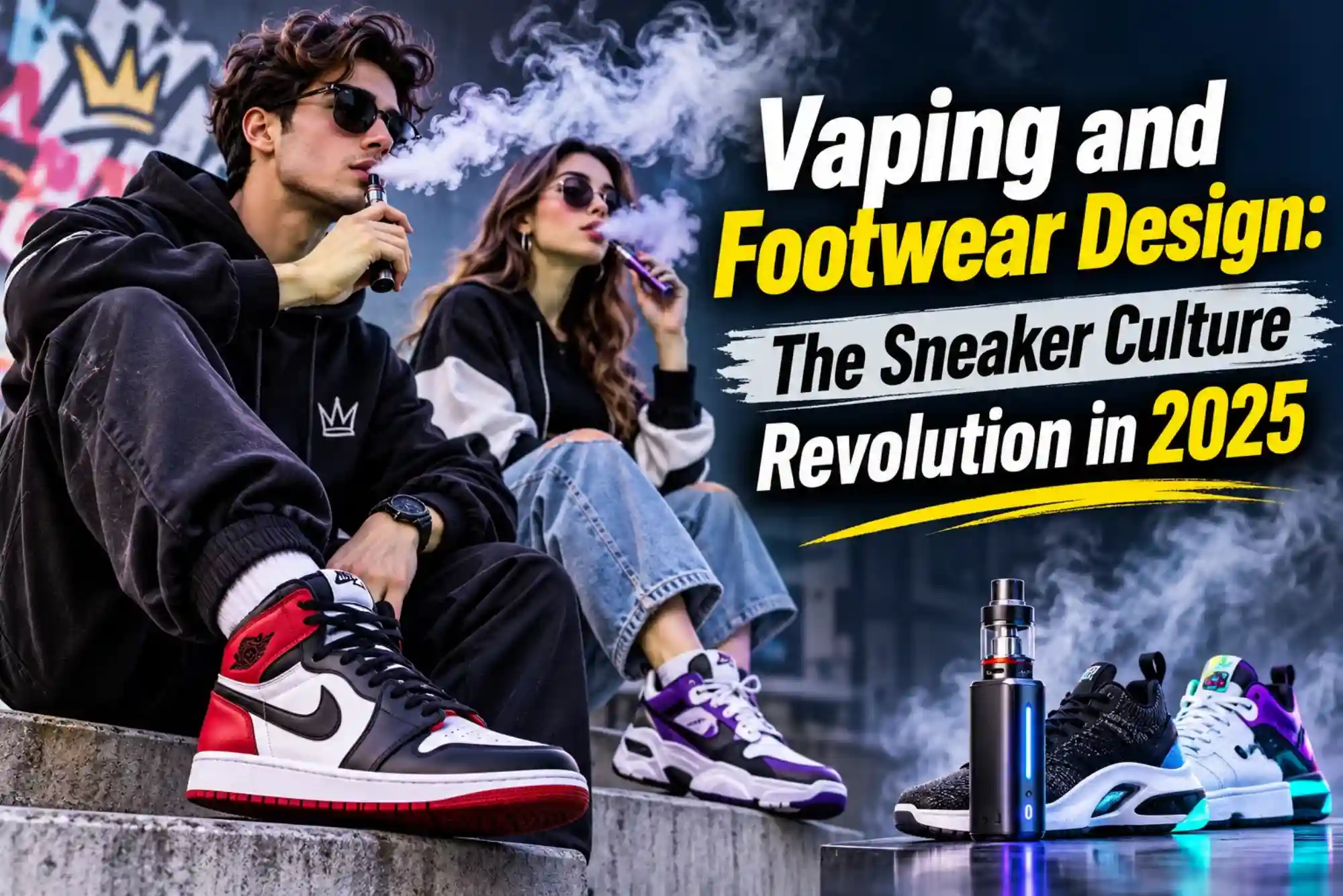
Streetwear has become an important part of contemporary fashion. It combines casual clothing, creative expression, music, and urban influences. Oversized hoodies, graphic T-shirts, sneakers, and statement accessories remain recognizable elements of this style.
Online streetwear communities frequently discuss products and accessories associated with different lifestyle interests. Vaping devices may occasionally appear in photographs or videos alongside fashionable clothing.
However, their appearance does not establish a genuine fashion trend. Clothing, design, music, and cultural identity remain the central elements of streetwear.
Personal Expression Through Fashion
Modern fashion gives individuals opportunities to communicate their personalities. Clothing choices often reflect interests, creativity, and cultural influences.
Social media strengthens this process by allowing users to share outfits with wider audiences. Fashion creators experiment with different aesthetics and receive immediate feedback.
Although vaping sometimes appears in these environments, it should not become a measure of personal identity or social acceptance.
The Role of Influencer Marketing in Online Fashion Culture
Influencers have changed how brands communicate with digital audiences. Their content often combines fashion discussions, product experiences, entertainment, and personal storytelling.
Influencer marketing allows businesses to collaborate with creators who have established online communities. These collaborations can increase brand awareness and introduce audiences to different products.
In fashion, creators frequently demonstrate clothing combinations, accessories, and styling techniques. Their visual content can influence purchasing interests and conversations about emerging trends.
The concept of influencer marketing helps explain this relationship between creators, audiences, and commercial communication.
However, vaping-related promotions require particular care. Nicotine products carry health risks and are subject to advertising restrictions in many countries. Creators should never target minors or portray vaping as a healthy lifestyle choice.
TikTok and Instagram’s Influence on Lifestyle Aesthetics
TikTok and Instagram remain important platforms for discovering visual trends. Their content formats encourage creativity, experimentation, and rapid sharing.
Fashion creators use these platforms to introduce clothing combinations, accessories, and personal styling ideas. Popular hashtags also help audiences discover different fashion communities.
Short Videos and Fashion Discovery
Short-form videos make fashion content easy to consume. Creators can demonstrate outfit transformations, seasonal styling, and accessory combinations.
These videos also influence how audiences perceive different lifestyle products. Vaping devices may appear incidentally in some creator content. Nevertheless, their visibility should not be confused with product endorsement or evidence of popularity.
Instagram Photography and Visual Identity
Instagram encourages users to create recognizable visual identities. Clothing, backgrounds, lighting, and accessories contribute to the overall appearance of a photograph.
Some lifestyle photographs include vaping devices as background objects. However, responsible fashion communication should avoid glamorizing nicotine consumption or suggesting that vaping improves someone’s appearance.
How Digital Communities Shape Fashion Conversations
Online communities provide spaces where people exchange fashion ideas and discuss cultural changes. These communities include sneaker enthusiasts, streetwear collectors, designers, photographers, and lifestyle creators.
Their conversations influence which aesthetics receive attention. Members share inspiration, discuss emerging designers, and compare different clothing styles.
The relationship between vaping and the influence of social media on fashion trends in 2025 also highlights how digital communities bring different lifestyle topics together.
However, online discussions do not always represent wider consumer behaviour. A viral post may attract millions of views without creating a lasting fashion movement.
Therefore, brands and marketers should distinguish genuine audience interest from temporary engagement.
The Importance of Responsible Social Media Marketing
Social media marketing creates opportunities for businesses and creators. However, it also creates responsibilities, particularly when content involves regulated products.
Vaping products containing nicotine should not be marketed toward young people. Creators must understand applicable advertising regulations before publishing promotional material.
Responsible communication requires transparency about paid partnerships. It also means avoiding misleading health claims and unrealistic lifestyle promises.
Protecting Younger Audiences
Young audiences frequently encounter fashion and lifestyle content online. Consequently, creators should consider how their posts might influence younger viewers.
Vaping should never be presented as a symbol of popularity, confidence, or social success. Fashion content can remain creative without promoting potentially harmful products.
Building Trust Through Authentic Content
Trust is essential for successful digital communication. Audiences increasingly value honest opinions, transparent sponsorships, and useful information.
Fashion creators can build credibility through original photography, thoughtful styling advice, and genuine discussions. They should also separate entertainment from commercial advertising.
Fashion Trends Beyond Vaping in 2025
Fashion in 2025 includes several developments that extend beyond lifestyle products. Sustainability, individuality, comfort, and digital creativity continue to influence fashion conversations.
Vintage clothing and secondhand shopping attract attention from environmentally conscious consumers. Meanwhile, oversized silhouettes and comfortable footwear remain popular across various streetwear communities.
Digital creators also introduce audiences to independent designers and emerging fashion labels. This provides smaller businesses with opportunities to reach interested customers.
These developments demonstrate that modern fashion depends on creativity, cultural influences, and changing consumer expectations.
Vaping may appear in certain online lifestyle environments, but it does not define the broader fashion industry.
The Future of Social Media and Fashion Culture
Social media will continue influencing how fashion trends develop. Artificial intelligence, virtual styling tools, and interactive shopping experiences are changing digital fashion discovery.
Creators can experiment with new visual formats and communicate with international audiences. Brands can also use audience feedback to understand emerging preferences.
At the same time, platform policies and advertising regulations will remain important. Content involving age-restricted products requires additional responsibility and careful oversight.
The relationship between vaping and the influence of social media on fashion trends in 2025 provides an example of how digital culture connects different lifestyle discussions.
However, future fashion trends will depend more broadly on creativity, sustainability, consumer interests, and responsible communication.
Conclusion
Vaping and the influence of social media on fashion trends in 2025 demonstrate how digital platforms connect lifestyle discussions with modern visual culture. Instagram, TikTok, and other platforms influence fashion discovery, personal expression, and online conversations.
Influencer marketing also plays an important role in shaping audience perceptions. However, the appearance of vaping devices in fashion content does not make vaping a fashion necessity or a safe lifestyle choice.
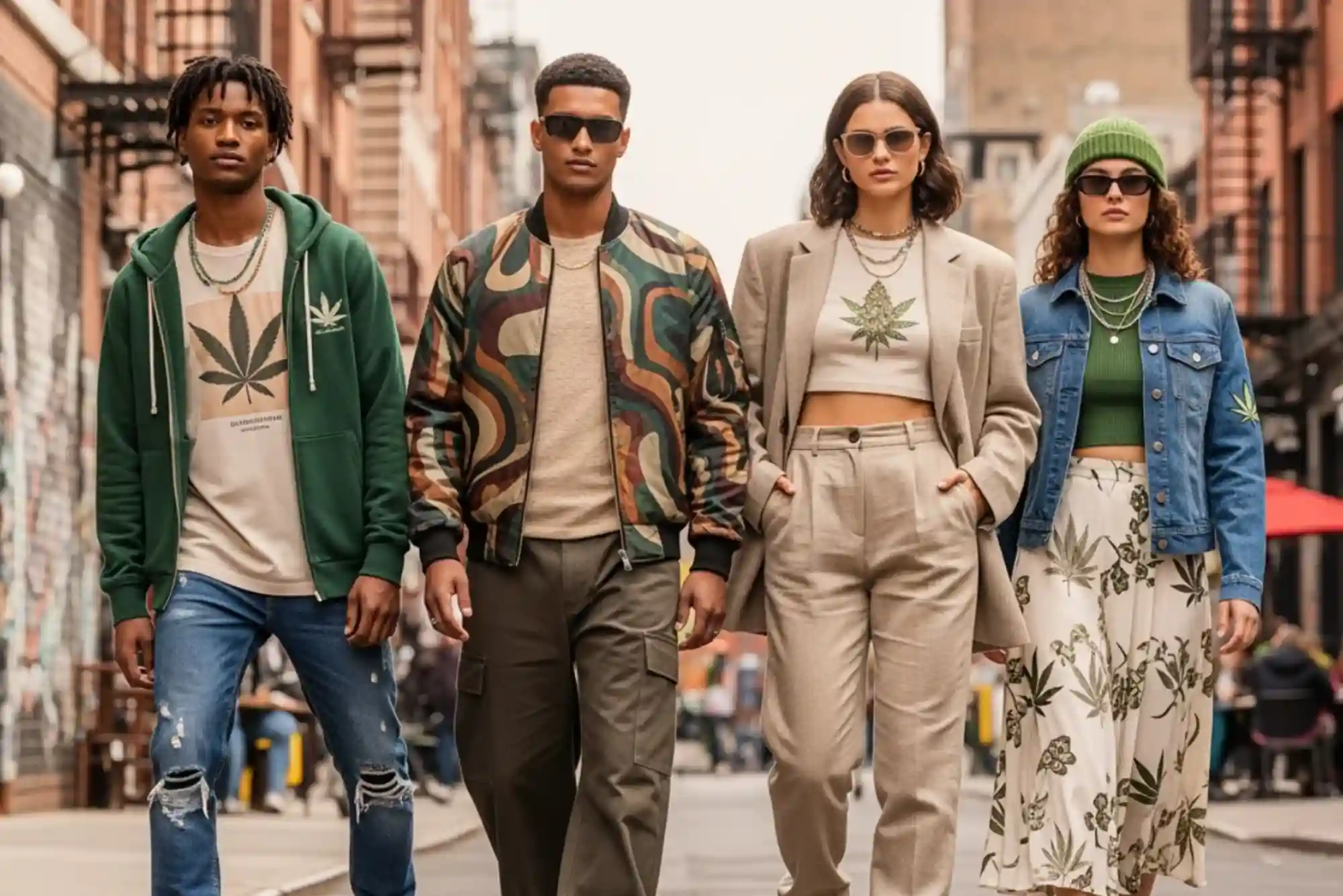
Vaping Meets High Fashion explores the growing influence of vape culture on modern fashion and lifestyle trends. From sleek designs to bold accessories, this intersection highlights how contemporary style reflects personal expression, creativity, and evolving cultural influences in the fashion world.
Frequently Asked Questions
How does social media influence fashion trends?
Social media influences fashion by introducing audiences to new styles, designers, and clothing combinations. Creators and online communities help trends spread quickly across different platforms.
How do influencers affect fashion choices?
Influencers introduce audiences to clothing, accessories, and styling ideas. Their content can influence consumer awareness and purchasing decisions. However, audiences should evaluate recommendations independently.
What role does TikTok play in fashion trends?
TikTok helps fashion trends reach large audiences through short videos, styling demonstrations, and creator content. Its recommendation system can introduce users to new fashion aesthetics.
How does Instagram influence lifestyle trends?
Instagram influences lifestyle trends through photography, videos, creator collaborations, and fashion communities. Users discover different aesthetics and share their personal styles.
Is vaping considered a fashion trend in 2025?
Vaping sometimes appears in online lifestyle and fashion content. However, it is not a defining fashion trend. Its visibility should not be interpreted as evidence of health benefits or social acceptance.
Why is influencer marketing important for fashion brands?
Influencer marketing helps fashion brands communicate with established online communities. Creators can introduce clothing collections and styling ideas while increasing brand awareness.
Discover the latest insights, trends, and innovations in vaping with VaporWhirl. Whether you are interested in vape technology, product developments, vaping culture, or industry updates, VaporWhirl offers informative content to keep readers up to date. Explore helpful resources, learn about emerging trends, and stay informed with VaporWhirl, your online destination for vaping-related information.