Introduction
The modern lifestyle landscape is evolving faster than ever, and two surprising trends are increasingly overlapping in youth and urban culture: vaping and eco-conscious fashion. At first glance, “Vaping and the Rise of Eco-Friendly Fashion: The Connection” may seem like unrelated ideas. However, both are deeply rooted in identity expression, lifestyle branding, and shifting consumer values.
Today’s consumers are not just buying products; they are buying meaning. Whether it is a vape device or a sustainably made outfit, people are choosing items that reflect personal beliefs about freedom, aesthetics, and responsibility. This is where “Vaping and the Rise of Eco-Friendly Fashion: The Connection” becomes an interesting cultural discussion rather than just a marketing phrase.
The connection is not about product similarity but about shared cultural signals: individuality, design awareness, and a growing preference for controlled consumption. As sustainability becomes central in global conversations, even industries like vaping are indirectly influencing how people think about materials, waste, and lifestyle ethics.
In this article, we will explore how “Vaping and the Rise of Eco-Friendly Fashion: The Connection” is shaping modern youth culture, what drives this intersection, and how brands are responding to it.
Understanding the Cultural Shift Behind Vaping and Fashion
Vaping and the Rise of Eco-Friendly Fashion: The Connection in Modern Identity
To understand “Vaping and the Rise of Eco-Friendly Fashion: The Connection,” we must first understand how identity is built in the digital age. Social media has transformed personal style into a visual statement. Both vaping culture and eco-friendly fashion are highly visible, aesthetic-driven choices that communicate personality.
Vaping devices often emphasize sleek design, portability, and customization. Similarly, eco-friendly fashion brands focus on minimalism, natural textures, and ethical storytelling. When combined in lifestyle imagery, they reflect a shared value system: intentional consumption.

This is where “Vaping and the Rise of Eco-Friendly Fashion: The Connection” becomes more than a phrase—it becomes a reflection of how modern consumers curate their identity.
The Role of Sustainability Awareness in Lifestyle Choices
Vaping and the Rise of Eco-Friendly Fashion: The Connection and Consumer Awareness
Sustainability is no longer a niche concern. It is shaping industries across the board, from food to technology to fashion. Even vaping, despite its controversies, has entered conversations around waste management, battery disposal, and product lifecycle responsibility.
Eco-friendly fashion, on the other hand, is built entirely on sustainability principles. Brands increasingly use organic fabrics, recycled materials, and transparent supply chains. According to the United Nations Environment Programme, the fashion industry has a significant environmental impact, making sustainability essential for future growth. You can explore this further through this resource: UNEP on sustainable fashion.
Within this context, “Vaping and the Rise of Eco-Friendly Fashion: The Connection” highlights how consumers are becoming more aware of environmental footprints across all lifestyle products—not just clothing.
Aesthetic Overlap Between Vaping and Eco-Friendly Fashion
Vaping and the Rise of Eco-Friendly Fashion: The Connection in Visual Culture
One of the strongest links in “Vaping and the Rise of Eco-Friendly Fashion: The Connection” is aesthetics. Both vaping culture and eco-friendly fashion rely heavily on visual appeal.
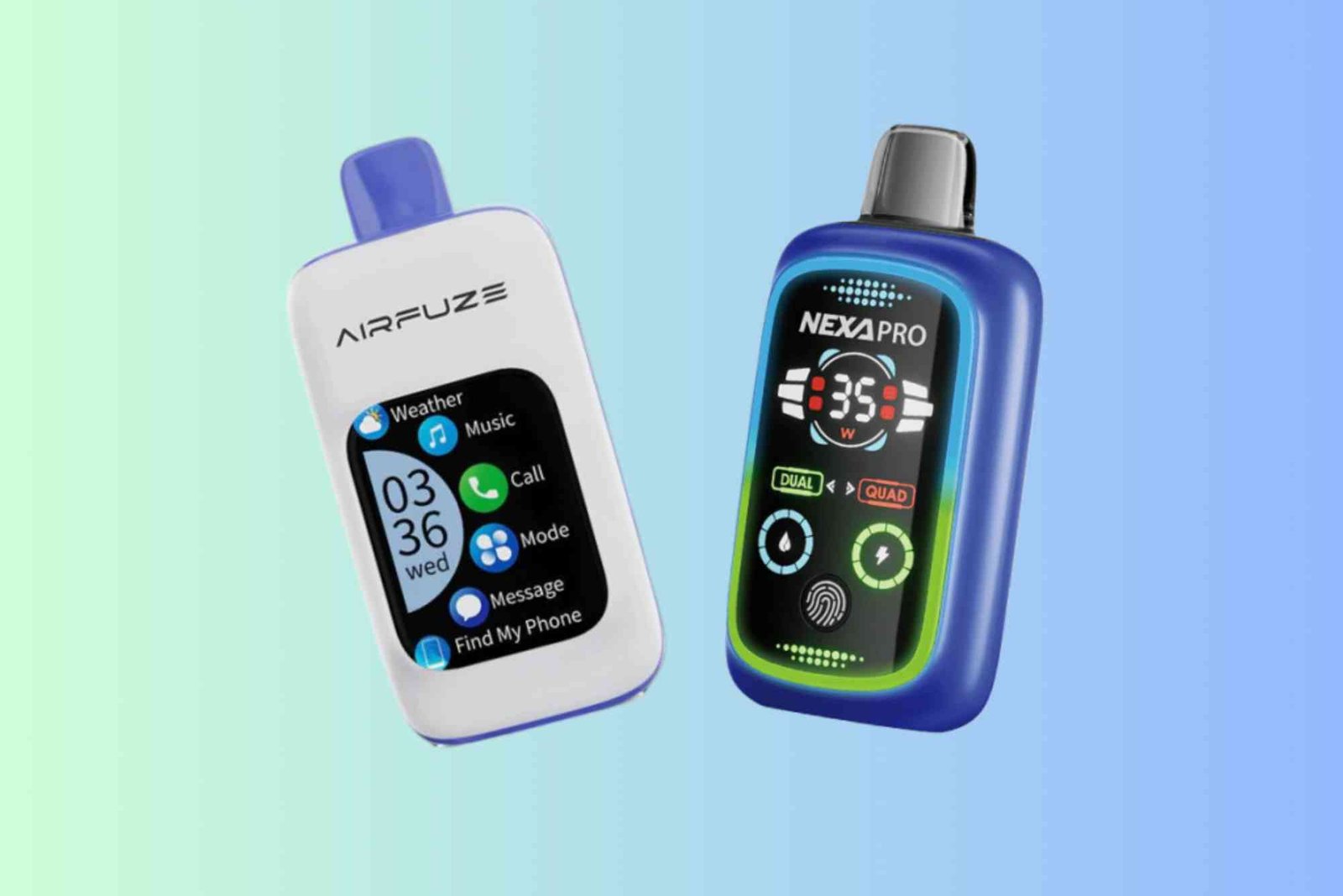
Vape devices are often designed with metallic finishes, soft gradients, and futuristic shapes. Eco-friendly fashion, meanwhile, focuses on earthy tones, natural dyes, and understated elegance. Surprisingly, these two aesthetics often appear together in lifestyle photography and influencer branding.
This shared visual language is not accidental. It reflects a broader trend where consumers prefer clean, curated, and intentional visuals. In digital culture, where Instagram and TikTok dominate, appearance often drives perception of values.
Thus, “Vaping and the Rise of Eco-Friendly Fashion: The Connection” becomes visible in how brands and individuals present themselves online.
The Psychology of Modern Consumer Behavior
Vaping and the Rise of Eco-Friendly Fashion: The Connection in Self-Expression
Consumer psychology plays a major role in “Vaping and the Rise of Eco-Friendly Fashion: The Connection.” Both trends are deeply tied to self-expression and emotional identity.
People choose eco-friendly fashion to express responsibility, awareness, and ethical thinking. Similarly, vaping is often associated with personal style, social belonging, and lifestyle identity.
While the motivations differ, the underlying psychological driver is similar: control over self-image. Consumers today are less influenced by traditional advertising and more influenced by cultural identity signals.
In this way, “Vaping and the Rise of Eco-Friendly Fashion: The Connection” reflects how modern individuals curate their lifestyle choices as extensions of personality.
Environmental Debate and Industry Responsibility
Vaping and the Rise of Eco-Friendly Fashion: The Connection in Sustainability Challenges
Despite aesthetic and cultural overlaps, there is an important environmental discussion within “Vaping and the Rise of Eco-Friendly Fashion: The Connection.”
Eco-friendly fashion is designed to reduce environmental harm. It focuses on reducing waste, carbon emissions, and chemical pollution. Vaping, however, raises concerns regarding electronic waste, lithium battery disposal, and plastic cartridge usage.
This contrast creates an interesting tension. On one hand, eco-fashion promotes sustainability. On the other, vaping industries are still evolving toward greener solutions. The intersection of these industries pushes consumers and brands to think more critically about lifecycle impact.
“Vaping and the Rise of Eco-Friendly Fashion: The Connection” therefore becomes a conversation about responsibility as much as it is about style.
Digital Influence and Social Media Trends
Vaping and the Rise of Eco-Friendly Fashion: The Connection in Online Culture
Social media platforms play a major role in amplifying “Vaping and the Rise of Eco-Friendly Fashion: The Connection.” Influencers often combine lifestyle elements such as fashion, wellness, travel, and personal habits into unified content themes.
Eco-friendly fashion brands rely heavily on storytelling, while vaping culture often appears in aesthetic lifestyle visuals. Together, they create a curated digital identity that resonates with younger audiences.
This blending of lifestyle categories is why “Vaping and the Rise of Eco-Friendly Fashion: The Connection” continues to gain attention in online discussions.
How Brands Are Responding to the Trend
Vaping and the Rise of Eco-Friendly Fashion: The Connection in Marketing Strategy
Brands are increasingly aware of “Vaping and the Rise of Eco-Friendly Fashion: The Connection,” even if indirectly. Fashion brands emphasize sustainability storytelling, while lifestyle accessory brands focus on design innovation and personalization.
The overlap creates opportunities for cross-industry inspiration. For example, eco-fashion brands borrow sleek product presentation styles often seen in tech and vaping product marketing. Meanwhile, vaping brands are slowly exploring eco-conscious packaging improvements.
This mutual influence shows how “Vaping and the Rise of Eco-Friendly Fashion: The Connection” is shaping branding strategies in subtle but meaningful ways.
Ethical Consumption and Future Outlook
Vaping and the Rise of Eco-Friendly Fashion: The Connection Moving Forward
As consumers become more educated, ethical consumption will continue to influence purchasing decisions. “Vaping and the Rise of Eco-Friendly Fashion: The Connection” highlights how lifestyle industries are converging around themes of responsibility, aesthetics, and identity.
Eco-friendly fashion is likely to expand further as sustainability regulations and awareness increase. Meanwhile, vaping products may face stronger environmental scrutiny, pushing innovation in recyclable materials and cleaner production methods.
VaporWhirl is a trusted online blog dedicated to vaping insights, trends, and product reviews. It provides helpful guides and up-to-date information for both beginners and experienced users.
FAQs
What is the connection between vaping and eco-friendly fashion?
The connection lies in lifestyle culture and identity expression. “Vaping and the Rise of Eco-Friendly Fashion: The Connection” reflects how both trends influence visual identity, personal branding, and consumer behavior.
Why is eco-friendly fashion becoming popular?
Eco-friendly fashion is growing due to increased awareness of environmental issues, ethical production concerns, and consumer demand for sustainable materials and transparency.
Does vaping impact environmental sustainability?
Yes, vaping has environmental concerns such as electronic waste and battery disposal. This contrasts with eco-friendly fashion, which actively works to reduce environmental impact.
How does social media influence vaping and fashion trends?
Social media amplifies both trends through influencers and lifestyle content, making “Vaping and the Rise of Eco-Friendly Fashion: The Connection” more visible in digital culture.
Is vaping considered part of modern lifestyle culture?
In many urban youth cultures, vaping is associated with lifestyle identity and aesthetics, often appearing alongside fashion, music, and digital trends.
Best Vape Gear to Complement Your 2025 Summer Fashion: Discover how modern vape devices are becoming a stylish accessory for the new generation. Sleek pod systems, compact designs, and trendy colors now match streetwear and summer outfits, making vaping more than just a habit but a lifestyle statement that blends perfectly with 2025 fashion trends and urban culture aesthetics.
Related Reading: The Connection Between Vaping and Street Art Fashion