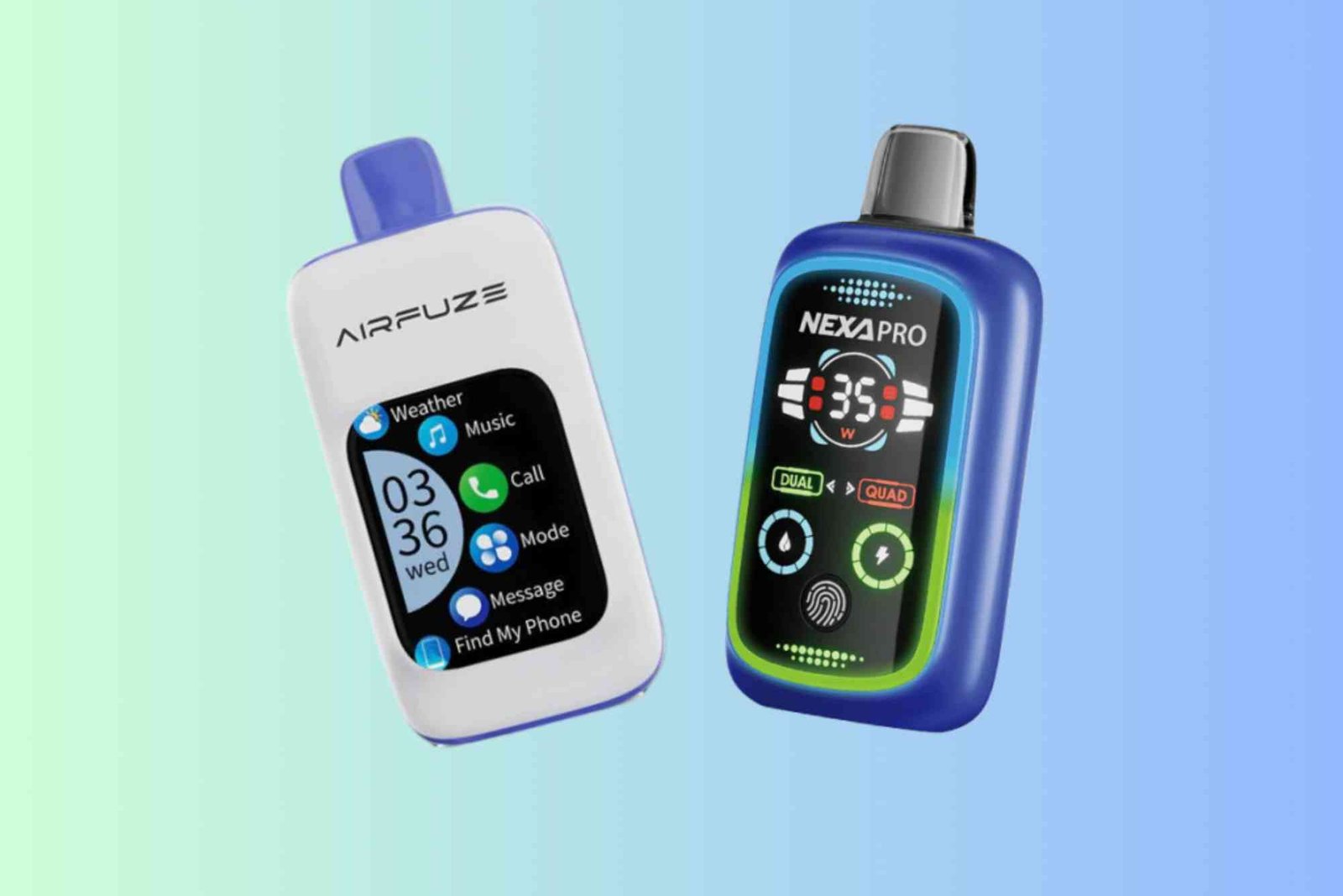
Introduction: Understanding Va pes: Separating Vape Facts from Fiction
In recent years, the discussion around Va pes: Separating Vape Facts from Fiction has become more important than ever. Vaping is widely used across different age groups, yet misinformation often spreads faster than scientific facts. As a result, many people struggle to understand what is real and what is exaggerated.
This article provides a clear, evidence-based explanation of vaping, separating myths from reality. Whether you are a smoker considering switching, a concerned parent, or simply curious, understanding Va pes: Separating Vape Facts from Fiction helps you make informed decisions.
We will explore scientific research, legal perspectives, health considerations, and common misconceptions. Additionally, we will present structured insights and a comparison table to simplify complex ideas.
What Are Vapes and How Do They Work?
Vapes, also known as electronic cigarettes, are battery-powered devices designed to heat a liquid into an aerosol. This liquid typically contains nicotine, flavorings, and other chemical compounds.
The process does not involve combustion, which is why many users believe vaping is “smoke-free.” However, this does not mean it is risk-free. Understanding this distinction is essential in Va pes: Separating Vape Facts from Fiction.
Basic Components of a Vape Device
A vape device generally includes a battery, a heating coil, a cartridge or tank, and e-liquid. When activated, the coil heats the liquid, producing vapor that is inhaled by the user.

Why People Use Vapes
Many individuals use vapes as an alternative to traditional cigarettes. Others are attracted by flavors, convenience, or social trends. However, motivations vary widely depending on region and age group.
Va pes: Separating Vape Facts from Fiction in Health Discussions
One of the most debated topics is health impact. The truth is complex, and much of the confusion stems from misinformation.
Fiction – Vaping Is Completely Safe
This is one of the most widespread myths. While vaping may expose users to fewer harmful chemicals than smoking, it is not harmless. Research shows that aerosol still contains nicotine and other potentially harmful substances.
Fact – Vaping May Be Less Harmful Than Smoking
Public health studies suggest vaping may be less harmful than traditional smoking for adult smokers who switch completely. However, “less harmful” does not mean “safe.”
Fiction – Vapes Only Contain Water Vapor
Many believe vape clouds are just water vapor. In reality, they contain nicotine, flavoring agents, and ultrafine particles.
Fact – Nicotine Affects Brain Development
Nicotine can affect brain development in adolescents and young adults, making this an important concern in Va pes: Separating Vape Facts from Fiction discussions.
Legal Perspective of Vaping Around the World
Laws regarding vaping vary significantly by country and even by region. Some countries regulate it strictly, while others allow controlled use.
In Pakistan, vaping regulations continue to evolve, with growing awareness campaigns and health warnings. Globally, many governments focus on restricting underage access and ensuring product safety standards.
For official public health guidelines, you can visit the Virginia Department of Health — vaping information & law.
Common Myths in Va pes: Separating Vape Facts from Fiction
Misconceptions about vaping spread easily on social media and informal platforms. Below is a structured comparison to clarify the truth.
Myth vs Fact Comparison Table
| Myth | Reality |
|---|---|
| Vaping is 100% safe | Vaping carries health risks, especially with long-term use |
| Vape smoke is harmless water vapor | It contains nicotine and chemical particles |
| Vaping does not cause addiction | Nicotine in vapes can be highly addictive |
| Only smokers vape | Many non-smokers, including youth, experiment with vaping |
| Flavored vapes are harmless | Flavors may still contain harmful chemicals |
This table highlights why Va pes: Separating Vape Facts from Fiction is essential for public understanding.
Psychological and Social Impact of Vaping
Beyond physical health, vaping also affects behavior and social habits.
Peer Influence and Youth Trends
Young individuals may start vaping due to peer pressure or curiosity. Social media often normalizes vaping, making it appear harmless or trendy.
Nicotine Dependence
Nicotine creates dependency, which can lead to repeated use. This is one of the most important concerns in Va pes: Separating Vape Facts from Fiction.
Stress and Misconceptions
Some users believe vaping reduces stress. While nicotine may temporarily relieve withdrawal symptoms, it does not address the root causes of stress.
Scientific Research on Vaping
Scientific studies on vaping continue to evolve. Researchers focus on long-term health effects, chemical exposure, and behavioral patterns.
Many studies suggest that switching from smoking to vaping may reduce exposure to harmful toxins. However, long-term data is still limited compared to traditional tobacco research.
This evolving evidence reinforces the importance of Va pes: Separating Vape Facts from Fiction as a continuous topic of study.
Environmental Impact of Vapes
Vaping also contributes to environmental concerns. Disposable vape devices and cartridges add to electronic waste.
Battery Waste
Lithium batteries in vape devices require proper disposal. Improper handling can harm the environment.
Plastic Pollution
Cartridges and packaging materials contribute to plastic waste, which adds to global pollution challenges.
Understanding these environmental aspects is another layer of Va pes: Separating Vape Facts from Fiction.
Who Should Avoid Vaping?
While vaping is often marketed as an alternative to smoking, it is not suitable for everyone.
Individuals who are pregnant, adolescents, or non-smokers are generally advised to avoid vaping entirely. Nicotine exposure can have long-term consequences in these groups.
Public health authorities emphasize prevention of youth initiation as a key priority.
Economic Perspective of Vaping
Vaping can appear cheaper than smoking in the short term, but long-term costs vary. Device maintenance, liquid refills, and replacements can accumulate over time.
In many regions, taxation and regulation also influence pricing structures, making vaping a fluctuating expense category.
Va pes: Separating Vape Facts from Fiction in Public Opinion
Public perception of vaping is divided. Some view it as a harm-reduction tool, while others see it as a health risk.
Media coverage and online content play a major role in shaping opinions. This is why accurate education around Va pes: Separating Vape Facts from Fiction is necessary for balanced understanding.
Future of Vaping Technology
The vaping industry continues to evolve with improved devices, temperature control systems, and safer materials.
However, regulation and scientific evaluation will continue to shape its future. Governments and health organizations are expected to tighten safety standards in coming years.
Va pes: Separating Vape Facts from Fiction
In conclusion, Va pes: Separating Vape Facts from Fiction is not about labeling vaping as purely good or bad. Instead, it is about understanding balanced evidence.
Vaping may reduce harm compared to smoking for some adults, but it is not risk-free. Nicotine addiction, youth exposure, and long-term health effects remain serious concerns.
Looking for trusted vaping insights, products, and updates? Visit our homepage to explore everything in one place, from beginner guides to the latest trends in vaping culture. Stay informed and discover quality content by checking out vaporwhirl.com for a complete vaping experience.
FAQ – Va pes: Separating Vape Facts from Fiction
Is vaping safer than smoking cigarettes?
Vaping may expose users to fewer toxic chemicals than smoking, but it is not completely safe. Long-term effects are still being studied.
Can vaping cause addiction?
Yes, most vape products contain nicotine, which is highly addictive and can lead to dependence over time.
Do vapes contain only water vapor?
No, vape aerosol contains nicotine, flavor chemicals, and fine particles, not just water vapor.
Is vaping legal everywhere?
Vaping laws differ by country and region. Some places allow it with restrictions, while others ban it entirely.
Can non-smokers use vapes safely?
Non-smokers are generally discouraged from using vapes due to the risk of nicotine addiction and health effects.
Is it illegal to smoke a vape inside: Separating Vape Facts from Fiction Vaping indoors is not universally illegal, but rules vary by country, state, and private property policies. Many workplaces, restaurants, and public spaces ban vaping to protect air quality and health. Always check local laws and venue rules before vaping indoors to avoid fines or penalties.
Related Reading: Can You Vape in Public in California: Separating Vape Facts From Fiction
Related Reading: Vape tanks uk law: Separating Vape Facts from Fiction
Related Reading: Montgomery Co Law About Vape Stores: Separating Vape Facts From Fiction — full guide
Related Reading: Regulation 4 Nic: Separating Vape Facts from Fiction — full guide
Related Reading: Wa State Vape Law 2019: Separating Vape Facts from Fiction — full guide