Introduction
In recent years, vaping meets high fashion has become a provocative phrase in cultural conversations, especially as both lifestyle trends and luxury brands explore unconventional aesthetic influences. While public health experts continue to stress caution and awareness around vaping products, fashion designers and marketers are increasingly fascinated by how vaping culture’s visuals, attitudes, and accessories are influencing runway styles, editorial features, and collaborations in 2025.
This article explores how vaping culture intersects with high fashion, examining its impact on design language, brand partnerships, and cultural perception. We take an honest, analytical perspective — not a promotional one — on why elements associated with vaping appear in the luxury couture scene today.
The Rise of Vaping Imagery in Fashion Culture
How Vape Aesthetics Influenced Design Trends
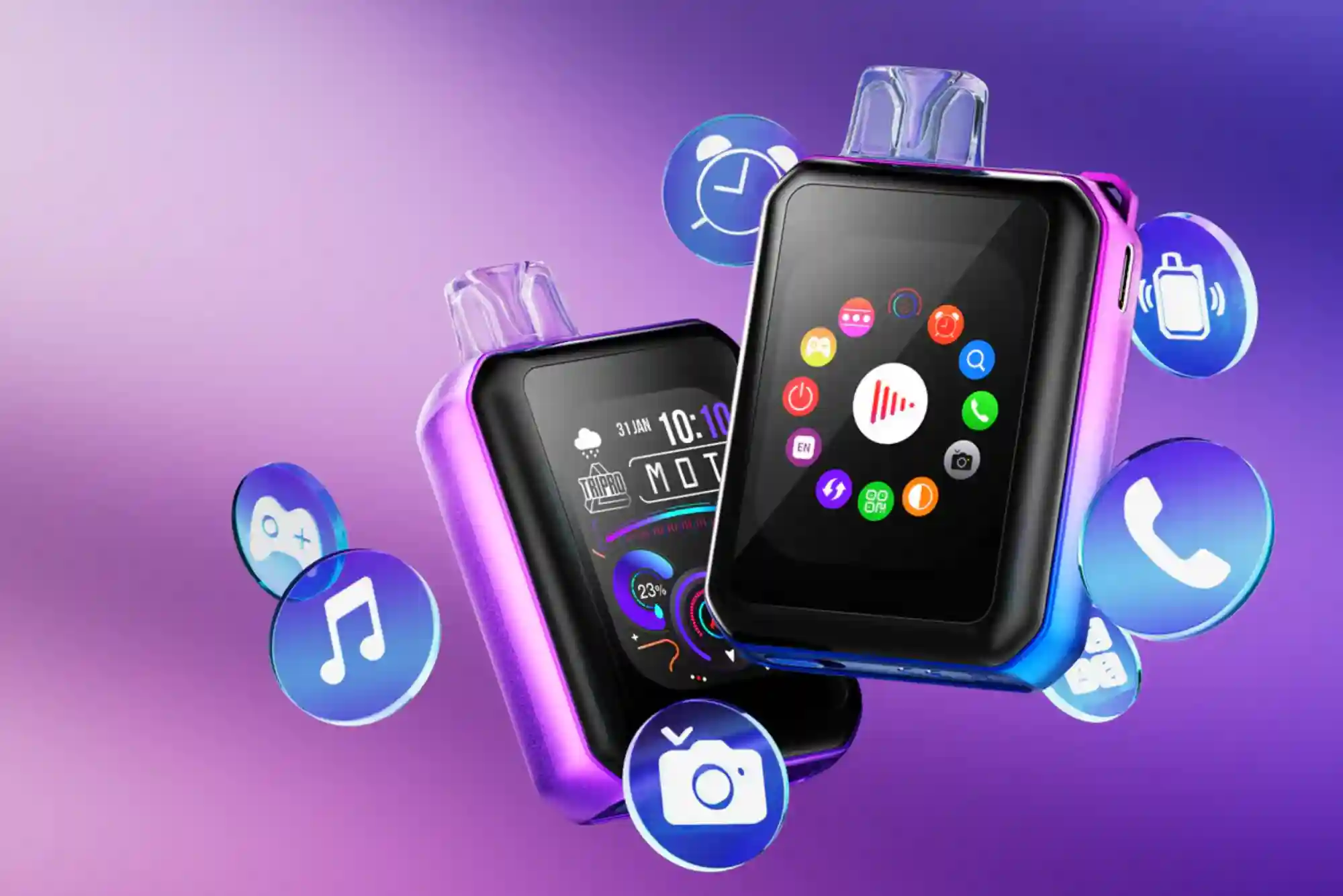
The rapid spread of vaping in the 2010s and early 2020s introduced a variety of iconography — sleek metallic finishes, LED lights, minimalist shapes — that designers noticed. Even though the health community warns against vaping, its aesthetic footprint has become impossible for some creatives to ignore.
- Minimalist, tech‑inspired silhouettes
- Futuristic materials and finishes
- Smoke and vapor as visual motifs in shows and campaigns
These elements have been adapted in garments, accessories, and runway staging in ways that emphasize artistry and concept rather than actual vaping products.
Subculture Appeal and Youthful Edge
Fashion has long borrowed from subcultures — skateboarding, punk, hip‑hop, and now vaping — to inject freshness into luxury. By integrating certain visual cues, designers signal cultural awareness and relevance. Again, this is about visual language and symbolic resonance, not encouragement of vaping behavior.
High Fashion’s Strategic Embrace of Counterculture Signals
From Runway Concept to Editorial Influence
Some fashion houses include smoke effects, translucent fabrics, and sleek modular accessories that echo the look of vaping devices. These stylistic choices resonate in photo editorials and digital content, where atmospheric visuals play a key role.

For example:
- Shows featuring ambient haze or fog
- Campaign images with models in futuristic, tech‑leaning settings
- Accessory designs inspired by industrial minimalism
These design directions reflect broader cultural curiosity and experimentation within luxury couture.
Collaborations vs. Critique
A few luxury brands have flirted with collaborations that reference modern youth culture. However, many fashion houses also use these collaborations as social commentary, questioning norms around technology, consumption, and identity. This shows that the fashion world is not blindly promoting vaping — it is using its imagery as part of a larger cultural dialogue.
Why Designers Are Drawn to Subcultural Signals
Authentic Storytelling Over Trend Chasing
Fashion isn’t just about clothes — it’s a storytelling medium. Designers look for narratives that feel alive and contemporary. Vaping culture provided:
- A sense of unauthorized style
- A visual vocabulary of modern technology aesthetics
- Cultural friction that sparks conversation
By weaving these signals into collections, designers create compelling, thought‑provoking work that goes beyond surface trends.
The Broader Cultural Context in 2025
In 2025, the dialogue around technology, wellness, and identity is more complex than ever. Fashion designers are navigating this terrain by acknowledging cultural shifts while still communicating responsibly. This includes balancing edgy aesthetics with awareness of health narratives and societal impact.
Case Studies: Vaping Influence in Couture Collections
Minimalism and Futurism on the Runway
Some runway shows in major fashion capitals showcased futuristic tailoring and sleek accessories that share visual DNA with contemporary technology products — precision engineering, reflective materials, and modular components. These features resonate with consumers interested in design innovation, not vaping.
Editorial Art Direction and Visual Storytelling
Editorial spreads in fashion magazines have used cloudlike backdrops and neon lighting to evoke mood and atmosphere. These design choices can be interpreted as inspired by — not promoting — vapor aesthetics.
For credible fashion coverage and editorial trends, see Harper’s Bazaar for related examples of how luxury brands blend cultural elements into high fashion storytelling.
The Ethical Conversation: Fashion Responsibility and Public Health
Distinguishing Influence from Endorsement
It’s important to make clear that vaping meets high fashion does not imply endorsement of vaping behavior. Public health organizations strongly recommend against vaping due to health risks, especially for young people.
Fashion’s interest is primarily aesthetic and cultural. Responsible designers distance themselves from promoting actual products associated with health concerns. This ethical stance is gaining traction across the industry.
Transparency in Creative Inspiration
Leading fashion houses are increasingly transparent about their creative influences, including when they draw from subcultures. By clarifying inspiration sources and intent, designers respect both their audience and broader societal concerns.
What This Means for Fashion Consumers
Understanding Style Without Imitation
Consumers should feel empowered to appreciate fashion’s visual evolution without feeling pressured to adopt all associated behaviors. Style and cultural phenomena intersect, but personal choices — especially those with health implications — should be made with full awareness and care.
A Lens on Cultural Exchange
The blending of signals from different subcultures into high fashion reflects ongoing cultural exchange. As long as designers and consumers engage thoughtfully, these intersections can enrich cultural expression without promoting harmful behaviors.
The idea of vaping meets high fashion in 2025 captures how design inspiration can travel from unexpected places into the world of luxury couture. What matters most is how these influences are interpreted: as visual language and cultural commentary, not as endorsements of vaping itself.
Fashion’s role is to explore ideas, challenge perceptions, and spark dialogue — and in 2025, that includes engaging with contemporary cultural symbols thoughtfully and responsibly.
FAQs
What does vaping culture mean in fashion?
Vaping culture refers to aesthetic and symbolic elements — like sleek designs and atmospheric visuals — that some fashion designers incorporate into collections as cultural references, not as endorsements of the behavior itself.
How has vaping influenced luxury fashion trends?
Designers have drawn on visual aspects associated with vaping devices — such as minimalist tech aesthetics and foggy imagery — to create mood and storytelling in runway shows and editorials.
Is vaping considered stylish in fashion circles?
Some fashion circles use vaping imagery as part of a broader cultural narrative, but this reflects creative inspiration rather than a health‑related endorsement.
Why do designers borrow from subcultures?
Designers borrow from subcultures to keep fashion fresh, relatable, and reflective of contemporary culture, while also offering commentary and innovation within their work.
Discover the latest in vaping technology and accessories at VaporWhirl. From sleek devices to premium e-liquids, we provide everything you need for a smooth, satisfying experience. Explore tips, reviews, and top products all in one place. Visit us today and elevate your vaping journey!