Introduction
Smart vapes have become a cornerstone of modern vaping culture, blending technology, convenience, and personalization. However, many users rarely consider the journey a smart vape undergoes from conception to disposal. Understanding the lifecycle of a smart vape not only enhances your knowledge as a consumer but also promotes responsible use and sustainable practices. This article explores each stage in detail, highlighting the technology, environmental considerations, and best practices for users.
Smart Vapes
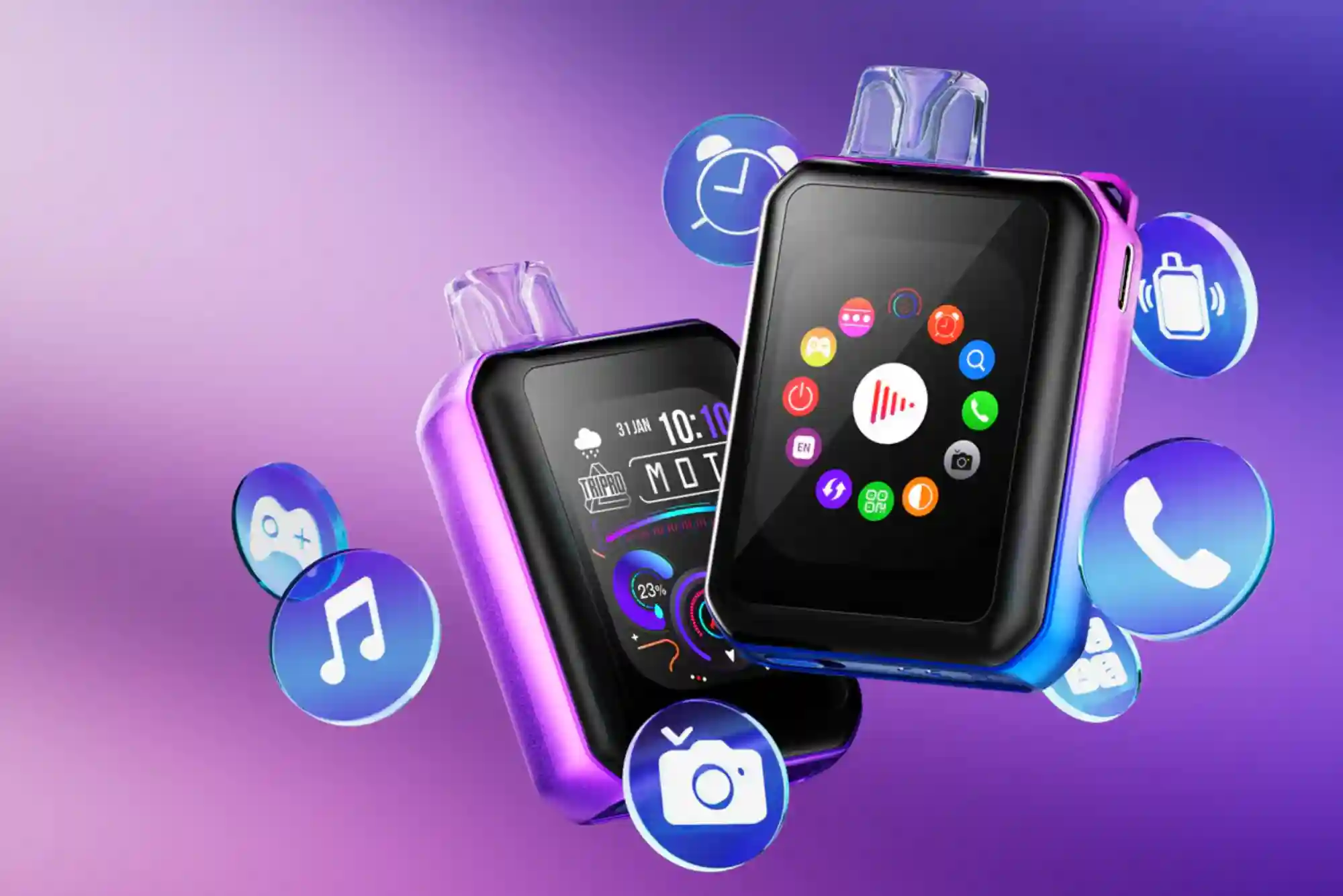
Smart vapes are electronic devices designed to deliver nicotine or other e-liquids through vaporization. Unlike traditional vapes, they integrate intelligent features like Bluetooth connectivity, temperature control, puff tracking, and safety mechanisms. These innovations make vaping more customizable and help users monitor their usage. But behind the sleek designs lies a complex lifecycle that involves multiple stages: design, manufacturing, usage, maintenance, and end-of-life management. Each stage affects the device’s performance, longevity, and environmental impact.
Design and Development
Research and Conceptualization
The lifecycle of a smart vape begins with research and concept development. Engineers and designers focus on ergonomics, battery efficiency, safety, and connectivity features. Market research is crucial during this phase to understand user preferences, such as preferred battery life, flavor profiles, and app integration. This stage sets the foundation for a device that is not only functional but also appealing and safe.
Component Selection
Selecting components is a critical step. High-quality batteries, heating elements, sensors, and circuit boards determine both the performance and longevity of the vape. Manufacturers also consider environmental regulations, ensuring materials comply with safety standards. For users interested in sustainability, this stage is where eco-friendly design choices can make a significant difference.
Prototyping and Testing
After the initial design, prototypes are created to test functionality. Engineers conduct rigorous testing for battery safety, vapor consistency, temperature regulation, and app synchronization. Some smart vapes undergo multiple iterations to refine usability and durability. Testing also ensures compliance with international safety standards, reducing the risk of malfunctions or hazardous incidents during consumer use.
Manufacturing Process
Assembly of Components
Once the prototype is approved, full-scale manufacturing begins. Smart vape assembly involves integrating batteries, atomizers, sensors, and electronic chips into a compact, durable casing. Precision is essential to prevent leaks, overheating, or short circuits. Advanced manufacturing techniques, such as automated assembly lines and quality checks, help maintain consistency across batches.

Quality Assurance
Quality assurance ensures every unit meets safety, performance, and design standards. Devices are tested for battery integrity, airflow efficiency, sensor accuracy, and firmware reliability. This step directly impacts the lifespan of the vape, reducing the likelihood of early failure and enhancing the user experience.
Packaging and Distribution
After passing quality checks, vapes are packaged with user manuals, warranty information, and charging accessories. Packaging design may also consider sustainability, using recyclable materials and minimal plastic. From here, devices are shipped to retailers or directly to consumers, beginning their active lifecycle.
Usage and Maintenance
Initial Setup and User Customization
When a user receives a smart vape, the initial setup often includes pairing with an app, charging the battery, and adjusting temperature or wattage settings. Many smart vapes allow users to track usage habits, set puff limits, or receive maintenance reminders. Proper setup ensures optimal performance and safety.
Daily Operation
During daily use, the device’s efficiency depends on battery care, coil maintenance, and liquid refills. Users who follow manufacturer guidelines tend to extend the device’s operational life. Smart features like automatic temperature control and overcharge protection contribute to longevity by preventing overheating or battery degradation.
Troubleshooting and Firmware Updates
Smart vapes may require software updates to improve functionality, fix bugs, or enhance security. Regular maintenance, such as cleaning the mouthpiece and atomizer, prevents residue buildup and keeps performance consistent. Addressing minor issues promptly can prevent larger problems, extending the device’s lifecycle.
End-of-Life Management
Battery and Component Degradation
Over time, batteries lose capacity, coils wear out, and electronic components may fail. Recognizing when a device reaches the end of its functional life is essential for safety and environmental responsibility. Users should avoid continued use of devices with compromised batteries or faulty electronics.
Recycling and Sustainable Disposal
The final stage of the lifecycle involves responsible disposal. Smart vapes contain materials like lithium-ion batteries, metals, and plastics, which require careful management to prevent environmental harm. Users can follow guidelines for the lifecycle of electronic devices to recycle or safely dispose of components. Some manufacturers offer take-back programs to ensure proper handling of end-of-life devices.
Environmental Impact
Improper disposal of smart vapes can release toxic substances into the environment, including heavy metals and chemical residues. By choosing recycling or manufacturer take-back options, users contribute to sustainable electronic management, reducing pollution and resource waste.
Future Trends in Smart Vape Lifecycles
As technology evolves, the lifecycle of smart vapes is becoming more efficient and environmentally conscious. Manufacturers are exploring modular designs, where users can replace individual components instead of discarding the entire device. Battery innovations, such as solid-state technology, may extend operational life and reduce environmental risks. Additionally, software updates are becoming more sophisticated, enabling devices to remain functional longer without physical replacement.
Understanding the lifecycle of a smart vape—from design and manufacturing to usage and end-of-life management—helps users make informed choices. Not only does this knowledge promote better device performance and longevity, but it also supports responsible consumption and environmental stewardship. By maintaining devices properly and disposing of them sustainably, users can enjoy smarter vaping while minimizing ecological impact.
FAQs
What is a smart vape?
A smart vape is an electronic vaping device with features like temperature control, puff tracking, and app connectivity to enhance user experience and safety.
How long does a smart vape last?
Depending on usage, battery care, and maintenance, a smart vape can last from one to three years before components start to degrade.
Can I replace the battery in my smart vape?
Some smart vapes have replaceable batteries, while others are sealed. Always follow manufacturer guidelines for replacement to ensure safety.
How should I dispose of a smart vape?
Smart vapes should be recycled through electronic waste programs or manufacturer take-back schemes to prevent environmental harm.
Are smart vapes environmentally friendly?
While they contain electronic components, proper recycling and maintenance can reduce their environmental impact and extend their lifecycle.
What are the common issues with smart vapes?
Common problems include battery degradation, coil wear, software glitches, and connectivity issues. Regular maintenance and firmware updates can mitigate these issues.