Introduction
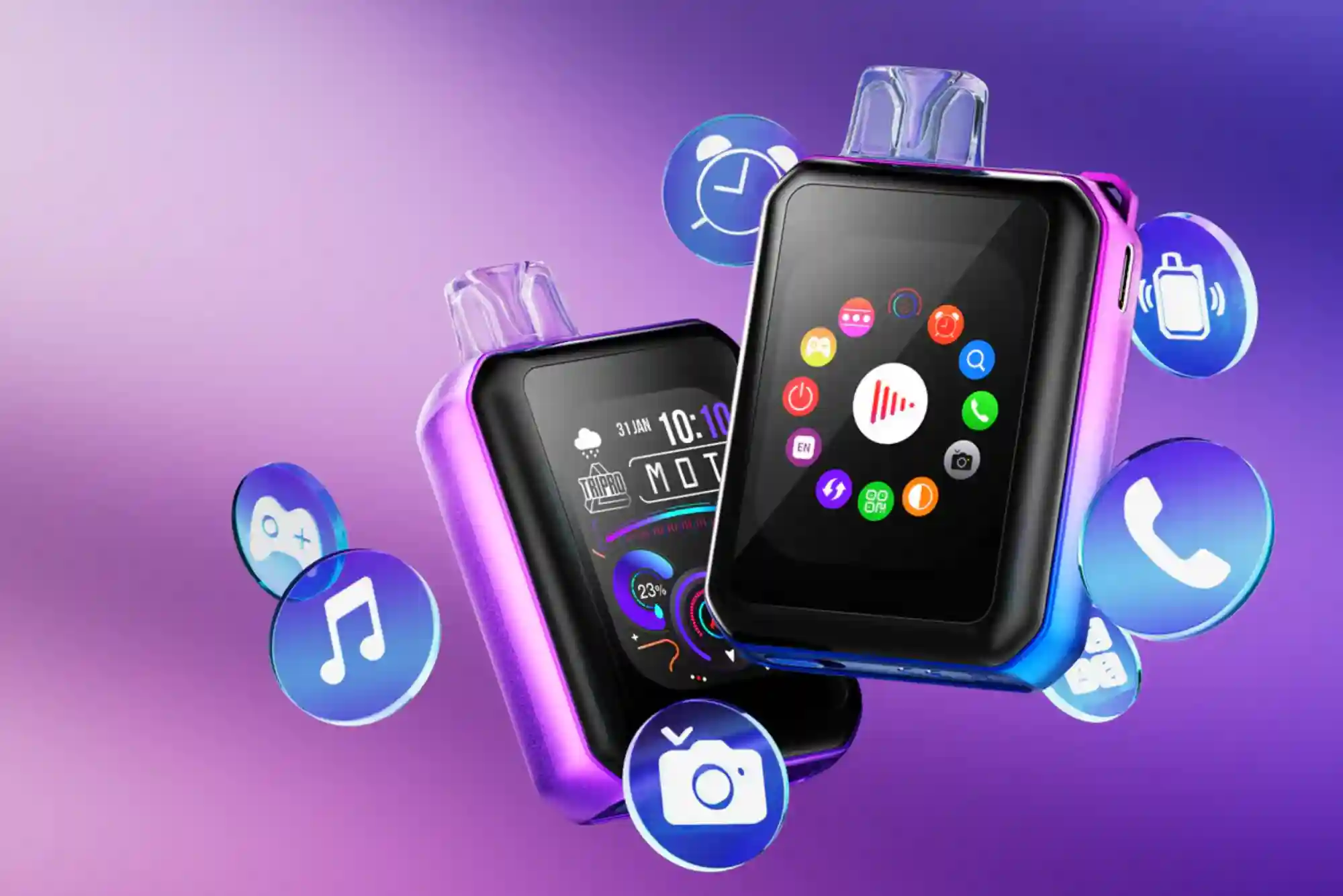
Smart vape devices are becoming more common in social and shared settings, creating fresh opportunities — and fresh risks. When a digital vaping device is used by multiple people, concerns around hygiene are often the first that come to mind. But beyond that are deeper safety factors tied to technology, data, and device functionality. Understanding those risks is essential for anyone involved in using, selling, or managing multi‑user smart vape hardware and platforms.
In this article, we’ll explore the key safety factors associated with multi‑user smart vape devices, blending technical insight with practical advice. We’ll look at health concerns, digital security, privacy considerations, regulatory issues, and best practices to minimize risk.
Why Multi‑User Smart Vape Safety Matters
When a device is designed for more than one user, the complexity of ensuring safe interaction multiplies. With traditional vapes, concerns are mostly physical — cleanliness and proper battery handling, for example. Smart devices add layers of connectivity, software, and user data that need to be considered. As the vape category intersects with the Internet of Things (IoT), assessors, designers, and users must understand how those layers introduce new vulnerabilities.
Multi‑user smart vape devices can store personal preferences, behavioral data, and usage logs. They may connect to companion apps, cloud services, or even social platforms. Without proper safeguards, those systems can expose individuals to privacy breaches, unauthorized access, and misuse of sensitive data.
Health & Hygiene Considerations
Cross‑Contamination Risks
Allowing multiple users to share a smart vape device increases the chance of spreading infectious agents. The mouthpiece is a direct point of contact, and even with replaceable tips, the likelihood of contamination persists.
Best practices include:

- Providing personal mouthpieces or disposable tips
- Encouraging regular cleaning between uses
- Educating users about hygiene etiquette
Device Maintenance
Smart vaping devices often have small openings, sensors, and electronic elements that can collect residue from e‑liquid or environmental dust. Poor maintenance can degrade performance and even affect air quality during use.
Routine checks should include:
- Cleaning charging ports and contacts
- Inspecting sensors for blockage
- Firmware updates that address performance issues
Digital Security Risks
Smart vape devices are not just physical objects — they are endpoints in an ecosystem of connected sensors, software, and services. That means they can be susceptible to the same cyber threats we see in other IoT devices.
Data Privacy and User Profiles
Smart vape devices frequently pair with mobile apps to track usage patterns, preferences, and dosage limits. When multiple users interact with the same device, the potential for personal data to be exposed increases.
Consider these factors:
- Is personal data stored locally or transmitted to the cloud?
- How long is user information retained?
- Who has access to aggregated usage data?
A robust privacy policy and clear consent mechanisms are essential.
Authentication and Access Control
Without proper authentication, a multi‑user smart vape device could allow unauthorized users to access settings or stored data. This jeopardizes both privacy and device integrity.
Implementing strong authentication — such as biometric locks on companion apps or per‑user PIN codes — helps ensure that only authorized individuals can make changes. Good access control practices can also minimize misuse or tampering.
For organizations deploying shared devices, adopting established guidance on shared system protection — such as best practices for multi‑user device security — is a step in the right direction
Firmware Vulnerabilities
Like any connected device, a smart vape can have flaws in its firmware that attackers could exploit. If left unpatched, these vulnerabilities could allow malicious actors to gain control of device functions, extract data, or even disrupt operation.
Manufacturers should:
- Issue regular firmware updates
- Provide clear instructions for applying updates
- Alert users when critical patches are available
Regulatory & Legal Compliance
Smart vape devices often exist in a complex regulatory landscape. This is especially true when multi-user device security are involved.
Age Verification
Most jurisdictions have strict age limits on vaping products. In a multi‑user context, it is crucial to ensure that access controls prevent underage usage.
Best practices might include:
- Age‑gated entry on companion software
- Requiring verified profiles before device activation
- Logging usage to maintain compliance records
Data Protection Laws
Data collected from smart vape devices may fall under privacy and consumer protection laws in some regions. This can include laws like the GDPR in Europe or similar frameworks elsewhere. Organizations handling personal data should:
- Conduct privacy impact assessments
- Provide transparent disclosures
- Ensure secure storage and transmission
Failure to comply with these regulations not only risks user privacy, but also exposes manufacturers and distributors to legal liabilities.
Physical Safety & Device Integrity
Battery and Charging Hazards
Smart vape devices typically use rechargeable lithium‑ion batteries. These can pose fire and explosion hazards if mishandled. Multiple users increase the wear and tear on charging ports and contacts.
Safety tips include:
- Using manufacturer‑approved chargers
- Avoiding exposure to extreme temperatures
- Monitoring battery health over time
Component Wear and Tear
Shared use accelerates wear on physical buttons, screens, and seals. Damage to seals around tanks and cartridges can lead to leaks, which not only degrade performance but could pose inhalation risks.
Regular inspections should check:
- For cracks or loose components
- For signs of e‑liquid leakage
- That all safety interlocks are functional
Best Practices for Users and Providers
Clear Usage Guidelines
Whether you’re a business offering shared devices or an individual letting friends use your vape, setting clear rules helps manage risk.
Provide guidance on:
- Personal mouthpieces
- Cleaning routines
- Responsible usage intervals
Regular Training
For establishments (such as lounges or events) that provide shared smart vape devices, staff training is essential. Teams should know how to:
- Sanitize between users
- Reset user profiles securely
- Apply firmware updates
Encourage Responsible Vaping
Shared devices should come with information on safer vaping habits. While vaping carries its own health debates, responsible consumption is universally a better practice. Users should understand:
- Limits on frequency and dosage
- The importance of proper inhalation techniques
- When to seek professional advice
Prioritizing Safety in Shared Smart Vaping
Multi‑user smart vape devices sit at the intersection of health, technology, and privacy. While they offer convenience and shared experiences, they also introduce safety complexities that must be addressed proactively. That means thinking beyond hygiene to include digital security, legal compliance, and device integrity.
By applying thoughtful safeguards — from hygiene protocols to secure authentication and firmware vigilance — users and providers can minimize risk and ensure smoother, safer experiences with shared hardware.
Ready to protect your users and systems? Start by reviewing your device setup today, and consider integrating formal multi‑user device security practices to stay ahead of risk.
FAQs
What are the primary safety risks of multi‑user smart vape devices?
The main risks involve hygiene concerns, data privacy breaches, unauthorized access, firmware vulnerabilities, and physical wear that can compromise device integrity.
How can I reduce contamination between users?
Use personal or disposable mouthpieces, clean the device regularly, and educate users on hygiene best practices.
Are smart vape devices vulnerable to hacking?
Yes, like other connected devices, smart vapes with wireless or app connectivity can be vulnerable if they lack strong authentication and updated firmware.
Do smart vape devices collect personal data?
Many do, especially if paired with mobile apps. User profiles, preferences, and usage logs can be stored or transmitted, so ensuring data privacy is essential.
Can shared smart vape devices be compliant with laws?
Yes, but you must implement age verification, secure data handling, and respect relevant regulations in your jurisdiction to ensure legal compliance.