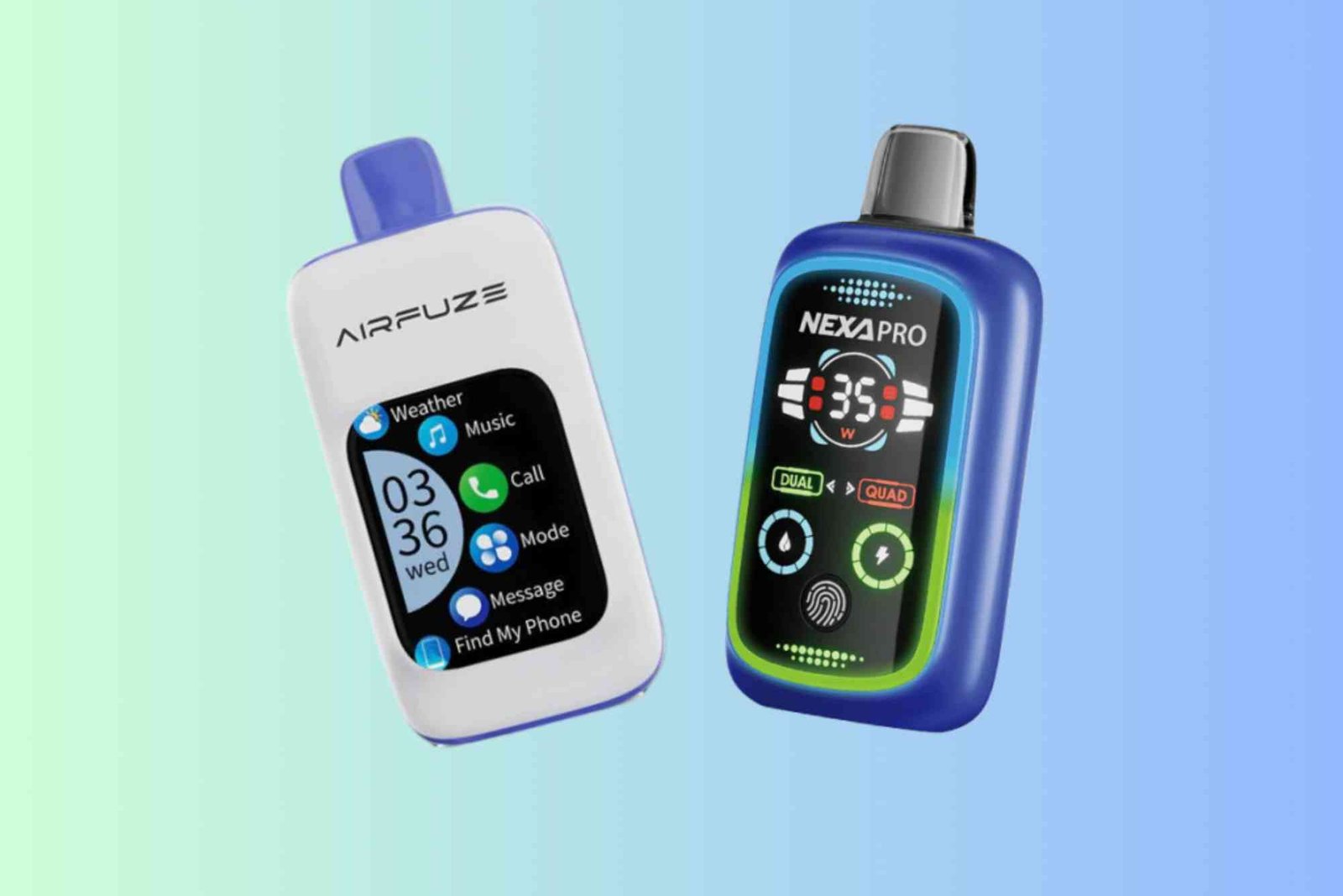
Smart Vaping Technology and the Science Behind Flavor Control
Understanding the science of flavor in vaping helps anyone curious about how devices work. Many people focus on taste when choosing a device or e‑liquid. But beyond personal preference, flavor control is connected to temperature, airflow, coil design, and the power systems inside the device. This article explores the technology and factors behind flavor control in smart vaping without promoting specific devices.
What Is Flavor Control in the Context of Vaping Technology?
The Role of Flavor in User Experience
Flavor is one of the first things users notice, and it affects satisfaction and preference. Good flavor production depends on:
- How the heating element reaches and maintains temperature.
- How e‑liquid is delivered to the heating area.
- How airflow affects vapor density and taste.
Studying the flavor‑control science in vaping reveals how each factor works together to influence sensation and taste.
Smart Features That Influence Flavor
Smart vaping systems often include:
- Temperature control to reduce undesirable tastes.
- Automatic adjustments based on user patterns.
- Sensors that fine‑tune power delivery.
These features aim to stabilize heating and vapor production so that flavors come through more consistently.
The Key Scientific Principles Behind Flavor Control
Temperature and Heating Management
The temperature at which an e‑liquid is vaporized affects flavor compounds. Heat too little, and the flavor stays muted. Heat too much, and flavor can become harsh. Smart systems attempt to monitor and regulate coil temperature.

Maintaining stable heat affects how flavor compounds release into vapor. Research into precise temperature control helps explain why some systems claim better taste consistency. To understand the underlying chemistry further, you can explore content about flavor-control science in vaping here.
Airflow Dynamics
Airflow determines how vapor moves over taste receptors. More airflow may cool vapor but dilute flavor. Less airflow can concentrate flavor but increase throat sensation.
Users who experiment with different airflow settings may notice striking differences in how flavors are perceived. This is why some systems let you fine‑tune airflow to suit personal preferences.
Coil Design and Material
The shape and material of a coil influence how heat is delivered. Some metals heat faster or more evenly, affecting flavor intensity.
- Kanthal and stainless steel have distinct thermal properties.
- Coil structure (e.g., mesh vs. traditional wrap) changes how e‑liquid vaporizes.
Smart technology may adjust power based on coil resistance and response.
Smart Technology Features That Affect Flavor
Real‑Time Monitoring
Sensors can measure resistance changes and adjust power delivery. When conditions shift, smart tech alters output to maintain performance.
Real‑time monitoring helps reduce dry hits (which can taste unpleasant) and keeps heating within a stable range.
Pre‑Set and Custom Modes
Smart platforms sometimes offer pre‑set temperature or wattage profiles. These help users tailor performance for specific outcomes, including flavor emphasis.
Advanced users may prefer custom modes that let them adjust settings directly. The balance between preset ease and custom precision can influence how users perceive taste.
Safety and Health Considerations
Understanding Risks
Research shows that inhaling heated substances can present health risks. Temperature control systems that reduce overheating may lower the production of certain harmful byproducts. But no mechanism fully eliminates health concerns.
Acknowledging the limitations of flavor‑focused technology is important for balanced, responsible discussion.
Best Practices for Users
If someone already uses these systems, responsible usage includes:
- Following manufacturer safety guidelines.
- Regular maintenance to avoid degradation that can affect heat delivery.
- Being aware of how settings impact both performance and byproduct formation.
FAQs
How Does Temperature Control Improve Flavor?
Temperature control aims to keep heating consistent. When heat stays within a certain range, volatile flavor compounds release more evenly. This often leads to a perception of smoother taste and fewer burnt notes.
What Role Does Airflow Play in Taste?
Airflow alters how vapor interacts with taste receptors. More airflow tends to cool and lighten taste, while restricted airflow can concentrate flavors but increase throat sensation.
Can Smart Features Reduce Unpleasant Tastes?
Smart monitoring helps reduce conditions that produce harsh or burnt taste by adjusting power delivery based on sensor feedback.
Does Better Flavor Control Make Vaping Safer?
Better flavor control may reduce some byproducts tied to overheating, but it does not remove all potential health risks.
Exploring the technology and science behind flavor control helps readers understand how modern systems attempt to balance heat, airflow, and power. Instead of focusing on product names or specific models, this article highlights the factors that influence taste outcomes and technology trends.
If you want to learn more about how flavor develops in these systems, start with the linked science resource above and consult reputable health guidance.