Introduction
Vaping technology has come a long way, evolving from basic e-cigarettes to highly advanced smart devices. Among the newest innovations, voice-controlled smart vapes are generating a lot of buzz. These devices allow users to control vaping settings, track usage, and even customize flavors using just their voice. But is this just a futuristic concept, or could it redefine the vaping experience?
Understanding Voice-Controlled Smart Vapes
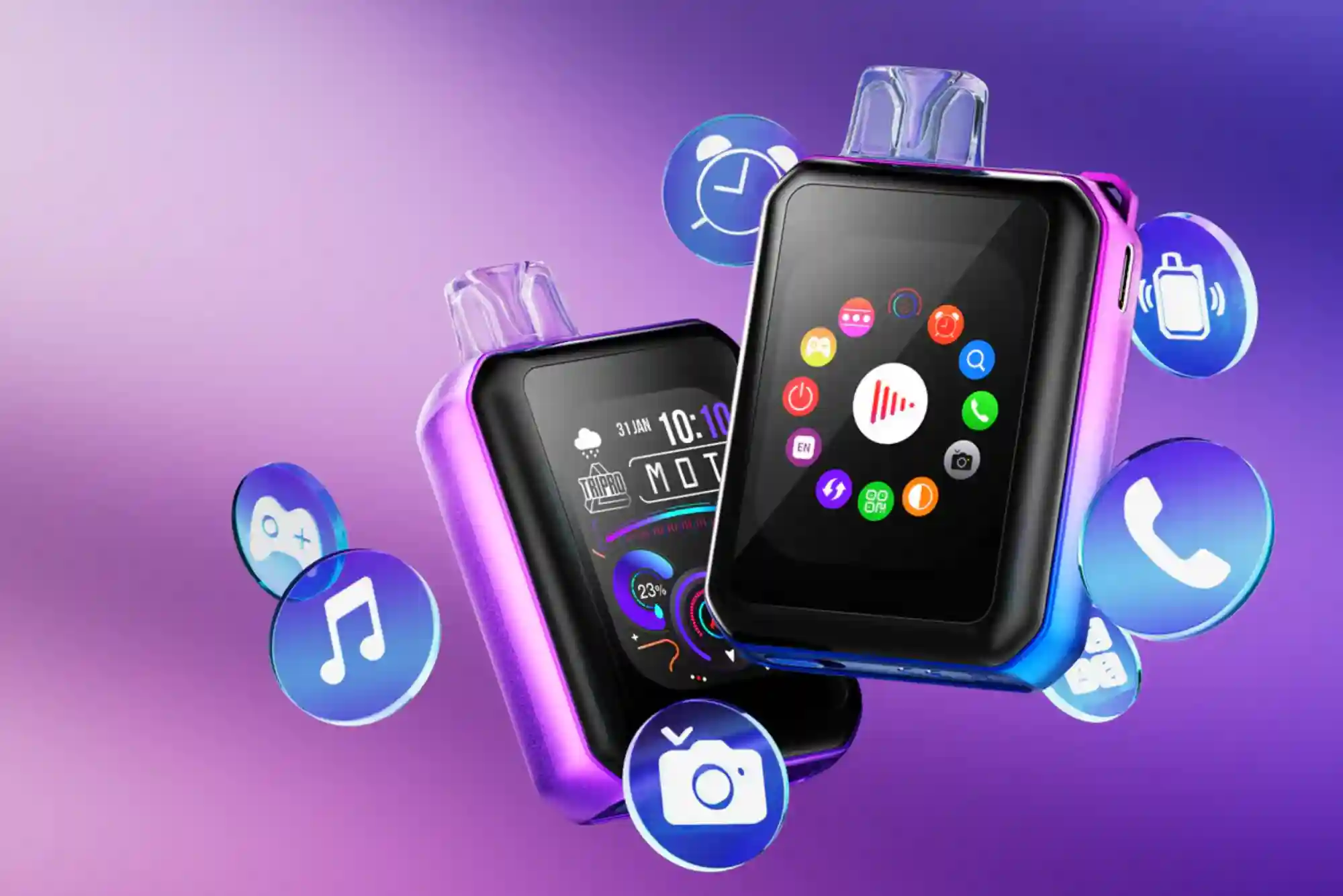
Voice-controlled smart vapes merge traditional vaping with advanced consumer technology. Using built-in microphones and AI-driven voice recognition, these devices respond to spoken commands. This means users can adjust power settings, monitor battery life, and even switch flavors without touching the device.
How It Works
At the core of these vapes is a combination of Bluetooth connectivity and embedded software. When paired with a smartphone app, the device interprets commands and translates them into actions. For instance, saying “increase vapor output” or “switch to mint flavor” triggers precise adjustments instantly.
The technology draws heavily from voice-controlled consumer tech overview, a field that has already transformed smart homes, phones, and wearable devices. Vaping manufacturers are now applying these concepts to create seamless, hands-free experiences.
Advantages of Voice Control
Voice-controlled vapes offer several practical benefits:
- Hands-free operation: Perfect for multitasking or situations where touching the device is inconvenient.
- Personalized vaping: Users can set custom preferences verbally, creating a tailored experience.
- Safety and hygiene: Reduces physical contact with the device, which can help limit germs or spills.
- Integration with smart devices: Voice control can sync with smartphones, fitness trackers, or even smart home systems.
These features appeal not only to tech enthusiasts but also to users seeking convenience and innovation in everyday routines.

Key Features to Look For
When evaluating voice-controlled vapes, certain features set premium devices apart:
Voice Recognition Accuracy
The device should reliably understand commands in different environments. Advanced models use AI to distinguish between background noise and intentional commands, ensuring smooth performance.
App Connectivity
A companion app allows for detailed control over temperature, puff duration, and flavor profiles. Voice commands often complement these settings, offering both manual and hands-free options.
Safety Mechanisms
High-quality devices include safety protocols, such as automatic shutoff if misuse is detected or limits on maximum power output. Voice control adds another layer, enabling quick responses to unsafe conditions.
Customization Options
Users can create personalized vaping routines. For example, morning settings may prioritize a higher vapor output, while evening sessions focus on flavor and relaxation. Voice commands make these transitions effortless.
Challenges Facing Voice-Controlled Vapes
Despite their potential, these devices face hurdles before widespread adoption.
Privacy Concerns
Voice recognition relies on data processing. Users may worry about their commands being stored or shared. Manufacturers must prioritize encryption and transparent privacy policies.
Cost Factor
Integrating advanced voice tech increases production costs, which may make devices less accessible to the average vaper.
User Adaptation
Some users may find voice control unnecessary or prefer traditional methods. Widespread adoption depends on how intuitive and reliable these systems become.
Regulatory Considerations
Vaping products are already heavily regulated in many regions. Adding advanced tech may require additional safety certifications and compliance checks.
The Future of Voice-Controlled Vaping
Industry trends suggest that voice control could become a standard feature for premium vapes. As AI and IoT technology improve, these devices could offer:
- Predictive adjustments: The vape could learn user preferences over time and adjust settings automatically.
- Health tracking: Integration with wearable devices to monitor inhalation patterns and provide insights on usage.
- Smart home integration: Vapes could sync with home assistants for a fully connected environment.
This potential aligns with the broader trajectory of consumer tech, where convenience, personalization, and connectivity drive innovation.
FAQs
Are voice-controlled vapes safe to use?
Yes, reputable models include safety protocols, but users should follow manufacturer guidelines.
Do these devices require an internet connection?
Some functions work offline, but full app integration and AI features may require connectivity.
Can voice commands replace all manual controls?
Not always. Most devices still allow manual adjustments alongside voice commands for flexibility.
Are they more expensive than regular smart vapes?
Generally, yes. The added technology and AI features contribute to higher pricing.
Can these devices track vaping habits?
Yes, many include usage tracking and analytics through companion apps.
Voice-controlled smart vapes represent an exciting convergence of vaping and cutting-edge technology. They offer hands-free convenience, personalized experiences, and integration with broader smart ecosystems. While privacy, cost, and user adaptation are challenges, the potential for predictive settings, health tracking, and seamless connectivity positions them as a possible future standard.